1991·Alma-Atá (Almaty), cerca del monte Kok-Tyube
Kazajistán.Alma-Atá · patrulla policial + cable CIA
En 1991, milicianos (policía) de patrulla en Alma-Atá (entonces capital de la Kazajistán soviética) reportaron un objeto no identificado cerca del monte Kok-Tyube: una especie de fuego en la cima cuyas llamas subían y bajaban y del que brotaron rayos rojos; según la nota, el coche patrulla que se acercó se detuvo en seco y los agentes no recordaban el camino de vuelta. El episodio quedó registrado en un documento del FOIA reading room de la CIA. Caso documentado pero de fenómeno ambiguo, incluido por su rastro institucional más que por su solidez.
Tier B · Indiciario¿Qué significan? →
Evidencia limitada: un solo testigo, un testimonio recogido años después o un relato sin documentación primaria de la época.
Qué fue
68%causa natural o humana
Lo más probable es una causa ordinaria que nadie ha identificado
Ver el reparto entre las seis explicaciones
Causa natural o humana
Sin causa conocida
Documentos primarios
FBIS, «Alma-Ata patrolmen report UFO sighting»: el despacho de TASS en inglés del 19 de abril de 1991 (1 pág.)
Transcripción del Servicio de Información de Emisiones Extranjeras (FBIS) del despacho de TASS firmado por el corresponsal Vasiliy Danshin, que cita al diario Vechernyaya Alma-Ata. Cuenta que unos milicianos de patrulla vieron a última hora de la tarde una especie de fuego en lo alto del monte Kok-Tyube; que al acercarse a unos 200 metros unos rayos barrieron el coche y lo pararon; que el objeto atenuó sus «reflectores» y desapareció cuando avanzaron, y que de vuelta en la comisaría ninguno recordaba el camino de regreso. Añade que las conversaciones por radio quedaron grabadas y que hubo «testigos imparciales». Es el registro de la época del caso, y transmite el relato de prensa, no una investigación. Desclasificado por la CIA en mayo de 2000.
CIA · FBIS (archive.org, cia-readingroom-document-0005517792) · Dominio público · obra del Gobierno de EE. UU. · abrir original
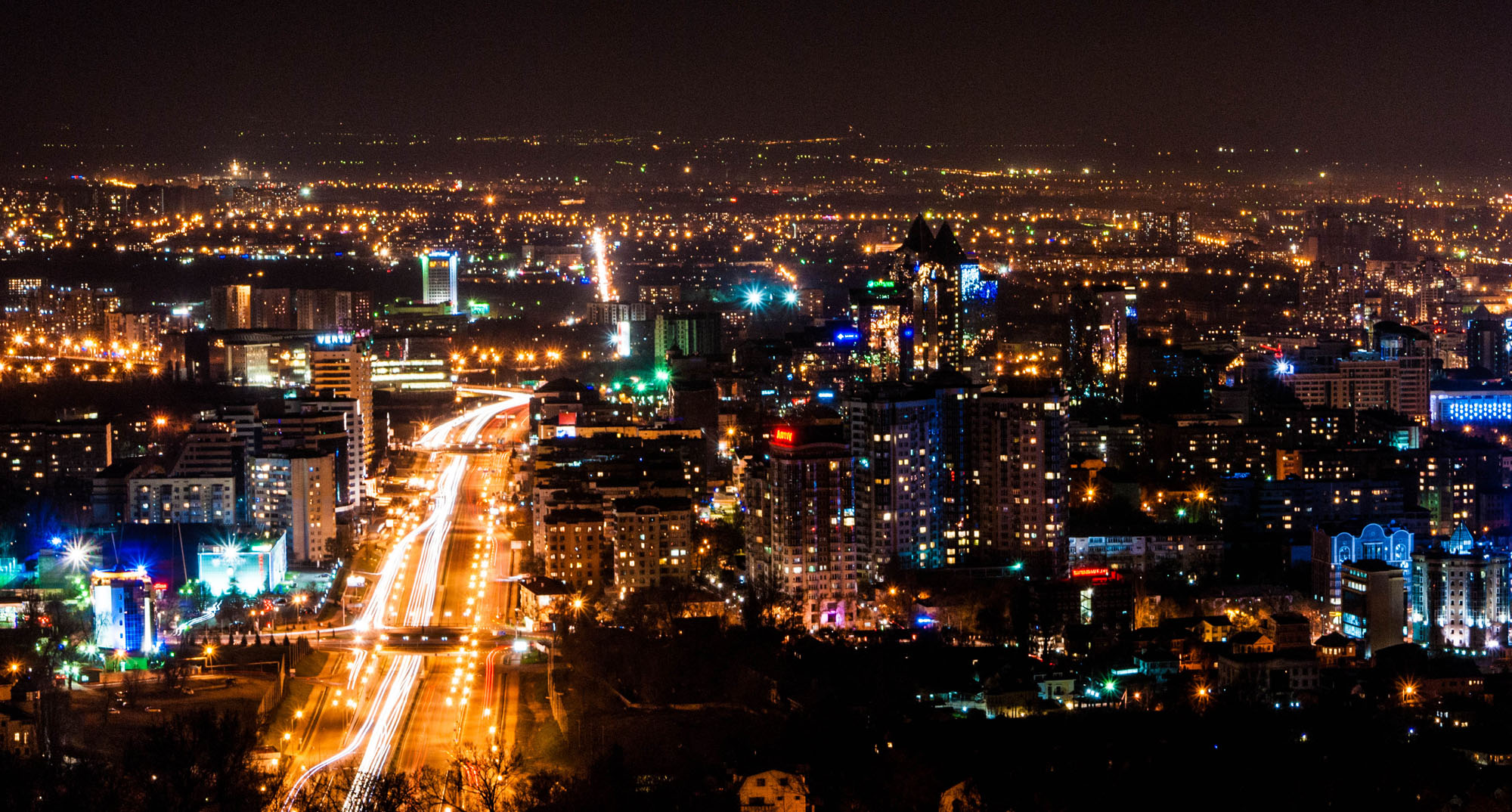
Contexto · Almaty (Alma-Atá, Kazajistán), cerca del monte Kok-Tyube
Almaty, Kok-tobe exposition 3.jpg · Wikimedia Commons · CC BY-SA 3.0 · abrir original
La noche en cuestión
A fines de la tarde de un día de 1991, una patrulla de milicianos (policía soviética) que se aproximaba al monte Kok-Tyube (una zona de recreo en las afueras de Alma-Atá, capital de la entonces República Socialista Soviética de Kazajistán) observó lo que describieron como un fuego en la cima de la montaña. Según el reporte, las llamas subían y bajaban y del centro brotó un haz de rayos rojos. Otros milicianos también vieron el objeto: el conductor del coche patrulla contó que él y sus compañeros se acercaron al «objeto en llamas» y que, a solo 200 metros del ovni suspendido, unos rayos barrieron el coche y este se detuvo en seco; cuando avanzaron hacia él, el objeto atenuó sus «reflectores» y desapareció. De vuelta en la comisaría, ninguno de los agentes recordaba el camino de regreso desde la montaña. La nota añade que las conversaciones por radio sobre el objeto quedaron grabadas en cinta y que hubo «testigos imparciales».
“ALMA-ATA PATROLMEN REPORT UFO SIGHTING”
El interés del caso es su rastro documental, y conviene precisar la cadena. El avistamiento fue publicado por el diario local Vechernyaya Alma-Atá y difundido en inglés por la agencia soviética TASS, en un despacho de su corresponsal Vasili Danshin, el 19 de abril de 1991 a las 16:03 GMT; el servicio de monitoreo de prensa FBIS lo captó en Londres y lo distribuyó al día siguiente a una larga lista de destinatarios, entre ellos el NORAD, el Mando Espacial, la DIA y varios centros de la NASA, y hoy figura en el FOIA reading room de la CIA bajo el título 'ALMA-ATA PATROLMEN REPORT UFO SIGHTING'. Es decir, el documento de la CIA no es una investigación de campo de la agencia, sino el registro de un reporte de prensa soviético, un matiz que rebaja, no eleva, el peso evidencial: lo que la CIA conservó fue una nota periodística, no un expediente operativo propio.
El encuadre es deliberadamente cauto. El despacho no propone ninguna explicación y no se conoce una investigación posterior; los detalles más llamativos (el coche detenido, la amnesia colectiva, la cinta de radio) llegan solo a través de una nota de prensa, sin el nombre de ningún agente y sin que la cinta se haya publicado. Lo que describe en su núcleo (fuego en una cima recreativa, rayos rojos) tampoco se ha contrastado con causas ordinarias, y no se puede descartar un malentendido en la cadena prensa→TASS→archivo. Se incluye por su valor documental (testigos policiales + archivo de la CIA), no por discriminar entre hipótesis: es un caso de piso, anclado en su limitación.
Por qué importa
Documenta el cruce poco común de un reporte de prensa soviético sobre testigos policiales que terminó archivado por la inteligencia de EE.UU. (FBIS/FOIA de la CIA). Suma un segundo punto en Kazajistán, con límites claros: testigos institucionales, sí, pero fenómeno ambiguo, fuente periodística de segunda mano y explicaciones mundanas plausibles.
El caso cumple además una función calibradora: ilustra que 'documento de la CIA' no es sinónimo de 'investigación de la CIA'. Gran parte del material UAP que circula con membrete de inteligencia estadounidense es, en realidad, monitoreo de fuentes abiertas (FBIS recogía sistemáticamente la prensa del bloque soviético), de modo que el sello de la agencia certifica que el reporte existió y fue de interés para el análisis, no que su contenido fuera verificado. El dato es real como reporte, ambiguo como fenómeno.
Conviene también situar el episodio en su momento histórico. La primavera de 1991 fue de descomposición acelerada de la Unión Soviética (en diciembre de ese año, en la propia Alma-Atá, se firmaría el Protocolo que dio forma a la Comunidad de Estados Independientes y selló la disolución de la URSS), y la glasnost había relajado el control sobre la prensa, que comenzó a publicar con inusual libertad reportes de OVNIs y de lo paranormal antes silenciados. La proliferación de notas como la de Vechernyaya Alma-Atá responde en parte a esa apertura editorial: no implica un aumento del fenómeno, sino del espacio que la prensa le concedía. Esto refuerza la lectura prudente: un reporte de testigos institucionales (milicianos) es preferible a uno anónimo, pero la fuente sigue siendo periodística, el fenómeno admite causas mundanas y el contexto favorecía la circulación de este tipo de relatos. Por eso el caso suma un punto geográfico en Kazajistán y un eslabón documental, sin pretensión de discriminar entre hipótesis.
Lo que queda en papel
Evidencia documentada
- Patrulla de milicianos (policía soviética) como testigos, cerca del monte Kok-Tyube, Alma-Atá (1991).
- Reporte difundido por TASS / Vechernyaya Alma-Atá el 19 abr 1991 y archivado en el FOIA reading room de la CIA ('ALMA-ATA PATROLMEN REPORT UFO SIGHTING').
- El documento de la CIA es registro de un reporte de prensa soviético, no una investigación de campo de la agencia.
- Fenómeno descrito: fuego en la cima con llamas que subían y bajaban y rayos rojos; según la nota, el coche patrulla se detuvo en seco a 200 m y los agentes no recordaban el regreso. Sin explicación propuesta ni investigación conocida.
Fuentes
- CIA FOIA Reading Room — 'ALMA-ATA PATROLMEN REPORT UFO SIGHTING' — En oct 2026 la URL redirige a la portada de la sala de lectura; el documento sigue disponible en el espejo de archive.org.
- CIA (FBIS) — «Alma-Ata patrolmen report UFO sighting», TASS en inglés, 19 abr 1991 (DOC 0005517792; espejo de archive.org) — Fuente primaria: el despacho completo de TASS tal como lo transcribió el FBIS.
- CIA (FBIS) — misma nota con la cabecera de distribución del FBIS de Londres, 20 abr 1991 (DOC 0000112342; espejo de archive.org) — Muestra los destinatarios: NORAD, USSPACECOM, DIA, NASA y otros.
- AARO — Fiscal Year 2024 Consolidated Annual Report on UAP (14 nov 2024)
Casos relacionados