Caso Nº 156Case No. 156·El SalvadorEl Salvador

2009·Primera Brigada Aérea, Aeropuerto de Ilopango, San SalvadorFirst Air Brigade, Ilopango Airport, San Salvador

El SalvadorEl Salvador.Ilopango · objeto no identificado fotografiado en base aérea (El Salvador, 2009)Ilopango · unidentified object photographed at air base (El Salvador, 2009)

En abril de 2009, un miembro de la Fuerza Aérea Salvadoreña — que pidió mantenerse anónimo — fotografió aeronaves estacionadas en la rampa militar desde el segundo piso de la Primera Brigada Aérea, en el Aeropuerto de Ilopango. Al revisar la imagen apareció un objeto no identificado cerca del umbral de la antigua pista 08, a plena luz del día, que no se había percibido en el momento de la toma. El caso, junto con antecedentes como el avistamiento sobre San Salvador de enero de 1969, está documentado por la comunidad de aviación salvadoreña. Su valor es geográfico: abre El Salvador en el corpus. Su evidencia es débil: un único fotograma de fuente entusiasta, fotógrafo anónimo, sin análisis ni cadena de custodia — el patrón clásico de un objeto captado pero no visto, compatible con un artefacto mundano.In April 2009, a member of the Salvadoran Air Force — who asked to remain anonymous — photographed aircraft parked on the military ramp from the second floor of the First Air Brigade building at Ilopango Airport. On reviewing the image, an unidentified object appeared near the threshold of the old runway 08, in broad daylight, that had not been noticed at the moment of capture. The case, together with antecedents such as the January 1969 sighting over San Salvador, is documented by the Salvadoran aviation community. Its value is geographic: it opens El Salvador in the corpus. Its evidence is weak: a single frame from an enthusiast source, an anonymous photographer, with no analysis or chain of custody — the classic pattern of an object captured but not seen, compatible with a mundane artifact.

AñoYear

2009

TierTier

B

ProbabilidadProbability

25%

CategoríaCategory

IncidenteIncident

Evidencia limitada: testigo único, local o sin verificación primaria. Tres ejes independientes: el «tier» mide la fuerza de la evidencia; la «probabilidad» estima cuán genuinamente inexplicado está el caso —un fenómeno natural puede seguir sin explicación, así que no equivale a «no-prosaico»—; y la partición de explicaciones (abajo) dice qué fue más plausiblemente. Por eso un caso bien documentado puede tener como causa más plausible un posible fraude, y un Tier B no es, por eso, un fraude.Limited evidence: single-witness, local or without primary verification. Three independent axes: the «tier» measures the strength of the evidence; the «probability» estimates how genuinely unexplained the case is —a natural phenomenon can remain unexplained, so it does not equal «non-prosaic»—; and the partition of explanations (below) says what it most plausibly was. So a well-documented case can have a possible hoax as its most plausible cause, and a Tier B is not, for that reason, a hoax.

Documentos primarios · visorPrimary documents · viewer

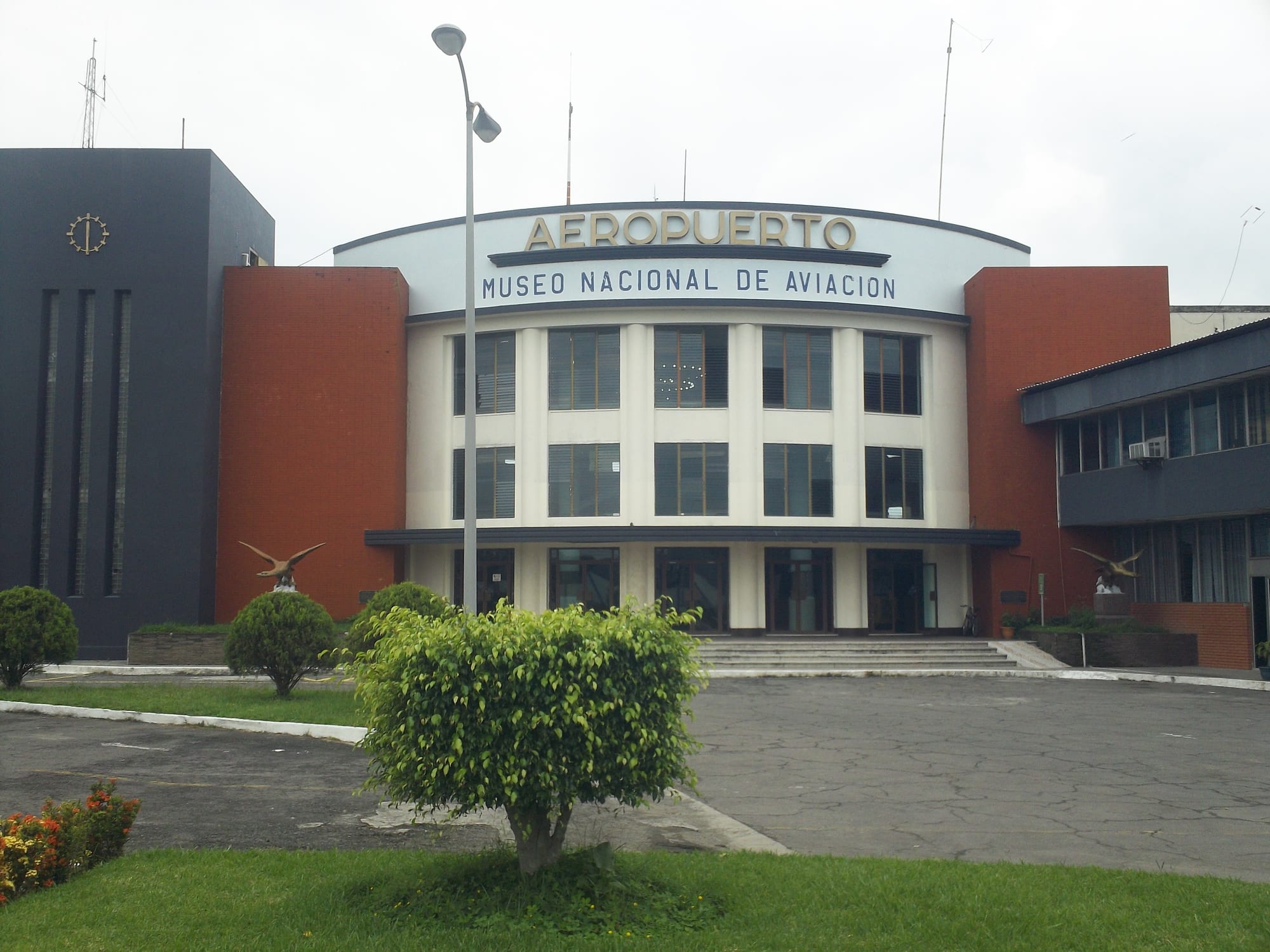
Contexto · el aeropuerto de Ilopango (El Salvador)

Contexto · el aeropuerto de Ilopango (El Salvador)Context · Ilopango Airport (El Salvador)

32-0001 Aeropuerto de Ilopango.jpg · Wikimedia Commons · CC BY-SA 3.0 · abrir originalopen original

Parte 01Part 01

La noche en cuestiónThe night in question

En abril de 2009, un integrante de la Fuerza Aérea Salvadoreña subió al segundo piso del edificio de la Primera Brigada Aérea, en el Aeropuerto de Ilopango, con la intención de fotografiar las aeronaves estacionadas en la rampa militar. No notó nada anómalo mientras disparaba la cámara. Al revisar las fotografías después, encontró en una de ellas un objeto no identificado volando muy cerca del umbral de la antigua pista 08. El objeto, captado a plena luz del día, aparentaba moverse a gran velocidad y no correspondía a ninguna aeronave conocida ni a un fenómeno atmosférico común. El testigo prefirió mantenerse anónimo; la imagen circuló entre el personal y fue recopilada por la comunidad de aviación salvadoreña.

El episodio se inscribe en una tradición de avistamientos salvadoreños menos documentados. El antecedente más citado es el del 15 de enero de 1969: alrededor de las 3:30 de la tarde, un objeto ovoide y brillante sobrevoló San Salvador con movimientos rápidos; dos carpinteros que trabajaban en la terraza de El Diario de Hoy alertaron a los periodistas, y los testigos lo describieron como un disco veloz que por momentos liberaba humo negro, antes de alejarse hacia el Cerro de San Jacinto. En su momento se sugirió una explicación prosaica: la misión soviética tripulada Soyuz 4, lanzada el 14 de enero de ese año, cuya reentrada o cuyo paso pudo verse desde la región. Hubo además, décadas más tarde, una oleada el 29 de febrero de 1996, cuando numerosas personas en distintos puntos del país reportaron luces cruzando el cielo a gran velocidad, lo que desató una avalancha de llamadas a los medios e incluso a la oficina de meteorología del propio aeropuerto de Ilopango; episodios de este tipo —puntos luminosos veloces vistos por muchos a la vez— suelen corresponder a reingresos de basura espacial o bólidos meteóricos.

Ninguno de estos episodios cuenta con la instrumentación múltiple, la cadena de custodia o el reanálisis independiente que distinguen a los casos de tier alto del corpus. Son registros de prensa y de comunidad aeronáutica, valiosos como cobertura regional pero frágiles como evidencia. La fotografía de 2009, en particular, presenta el patrón más débil posible: un único fotograma, sin negativo original ni metadata verificada, de un fotógrafo anónimo, en el que el supuesto objeto no fue visto por nadie en el momento de la toma y solo apareció al revisar la imagen.

In April 2009, a member of the Salvadoran Air Force went up to the second floor of the First Air Brigade building at Ilopango Airport intending to photograph aircraft parked on the military ramp. He noticed nothing anomalous while shooting. On reviewing the photographs afterward, he found in one of them an unidentified object flying very close to the threshold of the old runway 08. The object, captured in broad daylight, appeared to move at high speed and did not correspond to any known aircraft or common atmospheric phenomenon. The witness chose to remain anonymous; the image circulated among personnel and was compiled by the Salvadoran aviation community.

The episode belongs to a tradition of less-documented Salvadoran sightings. The most cited antecedent is that of January 15, 1969: around 3:30 in the afternoon, a bright ovoid object flew over San Salvador with rapid movements; two carpenters working on the terrace of El Diario de Hoy alerted journalists, and witnesses described it as a fast disc that at times released black smoke before moving off toward Cerro de San Jacinto. At the time a prosaic explanation was suggested: the Soviet crewed mission Soyuz 4, launched on January 14 of that year, whose re-entry or pass could have been seen from the region. There was also, decades later, a wave on February 29, 1996, when numerous people across the country reported lights crossing the sky at high speed, triggering a flood of calls to the media and even to the meteorology office at Ilopango airport itself; episodes of this kind —fast luminous points seen by many at once— usually correspond to re-entries of space debris or meteoric fireballs.

None of these episodes has the multiple instrumentation, chain of custody or independent re-analysis that distinguish the corpus's high-tier cases. They are press and aviation-community records, valuable as regional coverage but fragile as evidence. The 2009 photograph, in particular, presents the weakest possible pattern: a single frame, with no original negative or verified metadata, from an anonymous photographer, in which the supposed object was seen by no one at the moment of capture and appeared only on reviewing the image.

Parte 02Part 02

Por qué este caso movió la agujaWhy this case moved the needle

Importa por cobertura geográfica, no por fuerza probatoria: abre El Salvador en el corpus y densifica un istmo centroamericano casi vacío (hasta ahora solo Costa Rica y Panamá). Pero su tier es B por una razón explícita: la fotografía de 2009 proviene de una fuente entusiasta, con fotógrafo anónimo, sin negativo original verificado, sin análisis fotogramétrico y sin cadena de custodia. El rasgo central del caso — un objeto que aparece en la imagen pero que nadie vio al disparar — es justamente el sello de los artefactos mundanos: aves, insectos cercanos al lente, una aeronave a gran distancia, o un defecto de sensor. El antecedente de 1969 refuerza la lectura escéptica, porque la propia prensa de la época ofreció un candidato concreto (Soyuz 4). Se incluye con esa etiqueta honesta: caso de baja confianza que completa el mapa centroamericano y sirve de contraste con los anclajes instrumentados de la región.

El expediente enseña algo concreto sobre los 'objetos que aparecen solo en la foto'. En fotografía, este fenómeno tiene una causa banal y demostrable: un objeto pequeño y cercano —un ave, un insecto, una gota o una mota cerca del lente— cruza el encuadre durante la exposición y se registra desenfocado y borroso, dando la falsa impresión de un cuerpo grande y veloz a media distancia; el ojo del fotógrafo, enfocado en las aeronaves lejanas, sencillamente no lo nota. Que el testigo sea militar no eleva la calidad de la evidencia: lo decisivo no es quién disparó la cámara, sino que falten el negativo, los metadatos y un análisis fotogramétrico que permita estimar tamaño y distancia. Por eso Ilopango entra al corpus como dato geográfico, no probatorio, y su probabilidad refleja que la lectura mundana cubre el caso sin esfuerzo.

It matters for geographic coverage, not probative strength: it opens El Salvador in the corpus and densifies an almost-empty Central American isthmus (until now only Costa Rica and Panama). But its tier is B for an explicit reason: the 2009 photograph comes from an enthusiast source, with an anonymous photographer, no verified original negative, no photogrammetric analysis and no chain of custody. The case's central feature — an object that appears in the image but that no one saw while shooting — is precisely the hallmark of mundane artifacts: birds, insects near the lens, a distant aircraft, or a sensor defect. The 1969 antecedent reinforces the skeptical reading, because the press of the day itself offered a concrete candidate (Soyuz 4). It is included with that honest label: a low-confidence case that completes the Central American map and serves as contrast with the region's instrumented anchors.

The file teaches something concrete about 'objects that appear only in the photo'. In photography this phenomenon has a banal and demonstrable cause: a small, nearby object —a bird, an insect, a droplet, or a speck near the lens— crosses the frame during the exposure and is recorded out of focus and blurred, giving the false impression of a large, fast body at middle distance; the photographer's eye, focused on the distant aircraft, simply does not notice it. That the witness is military does not raise the quality of the evidence: what is decisive is not who pressed the shutter, but the absence of the negative, the metadata, and a photogrammetric analysis to estimate size and distance. That is why Ilopango enters the corpus as a geographic, not probative, datum, and its probability reflects that the mundane reading covers the case effortlessly.

Parte 03Part 03

Lo que queda en papelWhat's left on paper

Evidencia documentadaDocumented evidence

  1. Fotografía de abril de 2009 tomada desde el segundo piso de la Primera Brigada Aérea (Ilopango) que muestra un objeto no identificado cerca del umbral de la antigua pista 08April 2009 photograph taken from the second floor of the First Air Brigade (Ilopango) showing an unidentified object near the threshold of the old runway 08
  2. Fotógrafo identificado como miembro de la Fuerza Aérea Salvadoreña, anónimo por elección propiaPhotographer identified as a member of the Salvadoran Air Force, anonymous by his own choice
  3. El objeto no fue percibido en el momento de la toma — apareció solo al revisar la imagen — y se captó a plena luz del díaThe object was not perceived at the moment of capture — it appeared only on reviewing the image — and was captured in broad daylight
  4. Antecedente del 15 de enero de 1969: objeto ovoide brillante sobre San Salvador, testigos en El Diario de Hoy (carpinteros Daniel Lauda Martínez y Manuel Martínez)January 15, 1969 antecedent: a bright ovoid object over San Salvador, witnesses at El Diario de Hoy (carpenters Daniel Lauda Martínez and Manuel Martínez)
  5. Para el caso de 1969 la prensa contemporánea propuso como candidato prosaico la misión soviética Soyuz 4 (lanzada el 14 de enero de 1969)For the 1969 case, the contemporary press proposed as a prosaic candidate the Soviet Soyuz 4 mission (launched January 14, 1969)
  6. Recopilación por la comunidad de aviación salvadoreña (Flotilla Aérea) — sin negativo original verificado, análisis fotogramétrico ni cadena de custodiaCompilation by the Salvadoran aviation community (Flotilla Aérea) — with no verified original negative, photogrammetric analysis or chain of custody

FuentesSources

  1. Flotilla Aérea — 'Luces y enigmas en el cielo' Recopilación del caso de Ilopango 2009 por la comunidad de aviación salvadoreña.Compilation of the 2009 Ilopango case by the Salvadoran aviation community.
  2. El Salvador.com — 'Enero 1969: OVNI sobrevuela San Salvador y genera alarma entre capitalinos' Antecedente histórico con el candidato prosaico Soyuz 4.Historical precedent with the prosaic candidate Soyuz 4.

UbicaciónLocation

Primera Brigada Aérea, Aeropuerto de Ilopango, San SalvadorFirst Air Brigade, Ilopango Airport, San Salvador · 13.70°, -89.12°

Distribución de explicacionesDistribution of explanations

Este caso se clasifica entre las hipótesis del modelo: la barra reparte el 100% según cuánto pesa cada explicación (la incertidumbre se reparte entre las hipótesis que el caso apoya). Sumadas en todo el corpus producen la partición comparable. Es una pregunta distinta de la Probabilidad de arriba: aquella estima qué tan probable es que el caso sea un fenómeno genuinamente no explicado; esta reparte cuál sería la explicación.This case is classified among the model's hypotheses: the bar splits 100% by how much each explanation weighs (the uncertainty is spread across the hypotheses the case supports). Summed across the corpus they produce the comparable partition. It is a different question from the Probability above: that one estimates how likely the case is a genuinely unexplained phenomenon; this one splits which the explanation would be.

MisidentificaciónMisidentification91%
No-humano sin gestión estatalNon-human, no state management3%
Tecnología humana clasificadaClassified human technology3%
Tecnología adversariaAdversary technology2%
No-humano + encubrimiento estatalNon-human + state cover-up1%

Hipótesis modalModal hypothesis: MisidentificaciónMisidentification 91% · suma 100%sums to 100%

Se confundió conConfused with: Sin objeto único identificadoNo single object identified

Juicio analítico estructurado, no frecuencia calibrada. Clasificación forzada: la masa que la evidencia no permite asignar se reparte entre las hipótesis que el caso sí apoya.Structured analytical judgment, not a calibrated frequency. Forced classification: the mass the evidence cannot assign is spread across the hypotheses the case does support.