Caso Nº 150·España
1992–1997·Cuartel General del Ejército del Aire / Base Aérea de Torrejón, Madrid
España.Desclasificación UAP del Ejército del Aire (España, 1992–1997)
Proceso oficial de desclasificación UAP iniciado en 1992 por el General de Brigada Alfonso Fernández Aguado (entonces 2º Jefe del Estado Mayor del Ejército del Aire) y continuado por sus sucesores hasta 1997. Liberó ~80 expedientes archivados por el Mando Operativo Aéreo (MOA) entre 1962 y 1995. El investigador civil Vicente-Juan Ballester Olmos estructuró el protocolo de revisión, indexado y publicación. Es uno de los pocos archivos UAP nacionales del mundo desclasificados sistemáticamente por el propio aparato militar sin presión congresional ni judicial — modelo institucional citado posteriormente por programas similares en Francia (CNES/GEPAN), Chile (CEFAA) y Uruguay (CRIDOVNI). ~20% de los expedientes quedaron formalmente catalogados como 'sin explicación convencional' tras revisión.
Año
1992–1997
Tier
S
Probabilidad
78%
Categoría
Documento
Evidencia fuerte: registro de sensor instrumental + múltiples testigos (típicamente militar). Tres ejes independientes: el «tier» mide la fuerza de la evidencia; la «probabilidad» estima cuán genuinamente inexplicado está el caso —un fenómeno natural puede seguir sin explicación, así que no equivale a «no-prosaico»—; y la partición de explicaciones (abajo) dice qué fue más plausiblemente. Por eso un caso bien documentado puede tener como causa más plausible un posible fraude, y un Tier B no es, por eso, un fraude.
Documentos primarios · visor
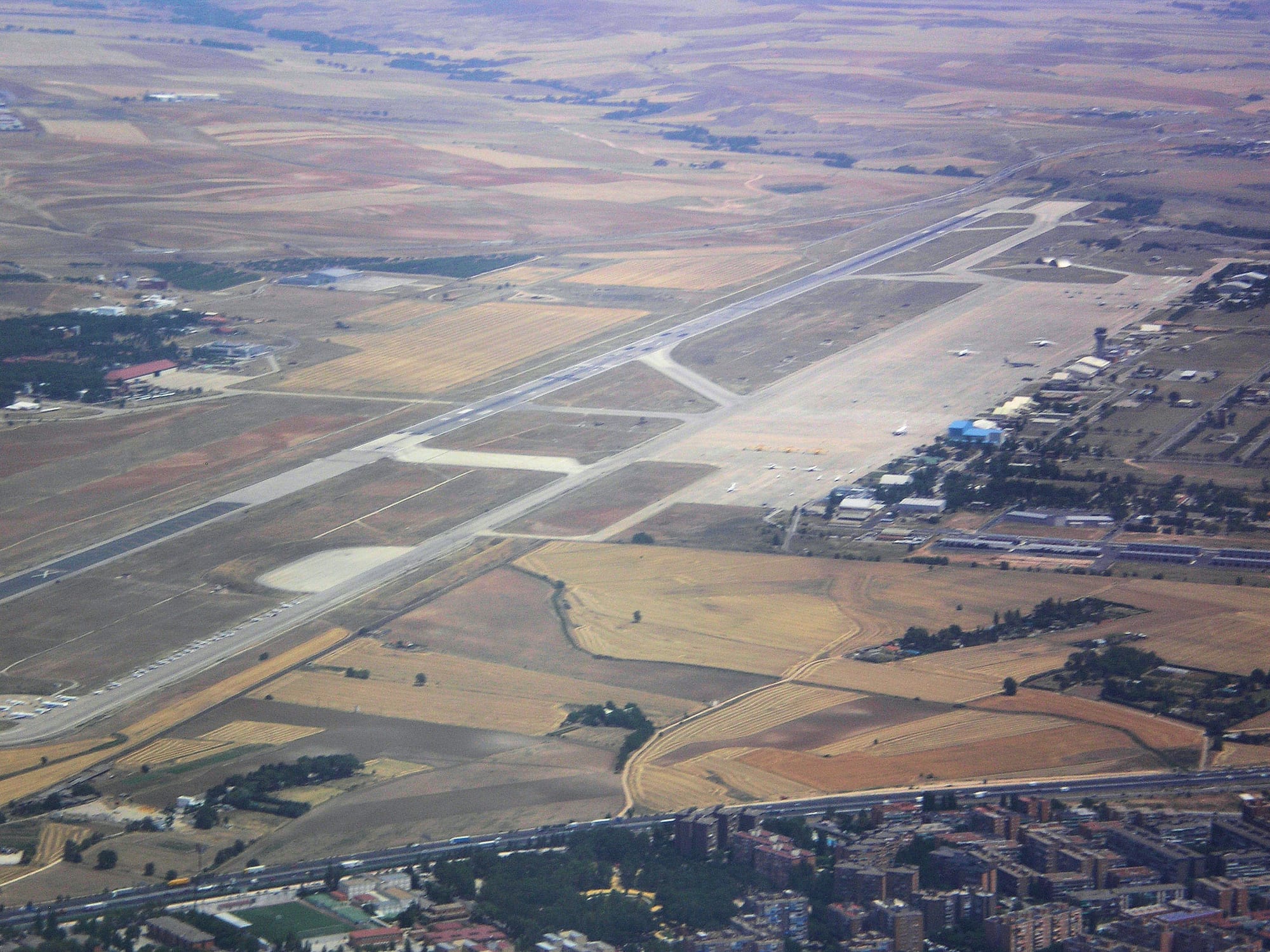
Contexto · la Base Aérea de Torrejón (Madrid), donde se custodiaron los expedientes OVNI
Base Aérea de Torrejón.jpg · Wikimedia Commons · CC BY-SA 3.0 · abrir original
Parte 01
El expediente en cuestión
El Ejército del Aire español mantuvo expedientes UAP clasificados desde principios de los años 60, archivados originalmente en el Cuartel General del Aire por el Servicio de Información del Estado Mayor y posteriormente por el Mando Operativo Aéreo (MOA) con sede en la Base Aérea de Torrejón (Madrid). En 1992, el General de Brigada Alfonso Fernández Aguado, entonces 2º Jefe del Estado Mayor del Ejército del Aire, autorizó el inicio del proceso de desclasificación sistemática del archivo. El protocolo se diseñó con la colaboración del investigador civil Vicente-Juan Ballester Olmos —entonces el documentalista UAP español con mayor recorrido y autor del proyecto FOTOCAT— quien actuó como interlocutor técnico entre el aparato militar y la comunidad investigadora.
El proceso liberó ~80 expedientes entre 1992 y 1997, cubriendo eventos archivados entre 1962 y 1995. La metodología siguió tres pasos: (1) selección del expediente por la oficina del MOA, (2) tachado de información sensible —nombres de testigos militares, posiciones operativas, datos de localización clasificada— preservando el cuerpo narrativo y técnico del informe original, (3) publicación abierta del expediente sanitizado en formato consultable por investigadores acreditados en el archivo del Cuartel General del Ejército del Aire. Aproximadamente el 80% de los expedientes fue catalogado tras revisión como atribuible a fenómenos convencionales (globos meteorológicos, aeronaves, reentradas de satélites, planetas Venus/Júpiter, fenómenos atmosféricos); ~20% quedó formalmente catalogado como 'sin explicación convencional' — tasa residual estructuralmente similar a la de Project Blue Book USAF ↗ y Battelle Special Report 14 ↗, sugiriendo que el residual no es artefacto de un solo aparato sino patrón replicable entre fuerzas aéreas occidentales.
Dos casos icónicos del corpus pertenecen al archivo desclasificado: Canarias 1976 (caso del avistamiento masivo islas occidentales) y Manises 1979 (intercepto de Iberia JK297 con aterrizaje de emergencia en la base de Manises). El proceso español es notable porque ocurrió sin presión congresional ni judicial análoga al ciclo estadounidense — fue voluntario y endógeno al propio aparato militar, lo que lo distingue del modelo Bolender→Condon→FOIA del lado US. Programas posteriores de desclasificación UAP en Francia (CNES/GEPAN, archivo público), Chile (CEFAA) y Uruguay (CRIDOVNI) citan formalmente el protocolo Ballester Olmos / Fernández Aguado como referencia metodológica.
Parte 02
Por qué este caso movió la aguja
Es el caso ancla del corpus para España y, más estructuralmente, para la lectura comparada inter-Estados del fenómeno UAP. Tres rasgos lo hacen Tier S. Primero, calidad institucional: ~80 expedientes oficiales del Ejército del Aire, revisados y publicados bajo protocolo militar formal, accesibles en el archivo del Cuartel General — papelería verificable. Segundo, valor comparativo: la tasa residual del ~20% replica la observada en Project Blue Book USAF ↗ y Battelle Special Report 14 ↗ — coincidencia estadística entre dos aparatos independientes que sugiere que el residual no es artefacto metodológico de una sola fuerza aérea, sino patrón estable. Tercero, modelo institucional: la desclasificación voluntaria endógena al propio MOD —sin presión congresional, sin litigio FOIA, sin filtración— es ruta institucional distinta a la dominante en EE.UU., y ha sido citada como referencia por Francia (CNES/GEPAN), Chile (CEFAA) y Uruguay (CRIDOVNI). El corpus pasaba de tener 2 casos ES sueltos (Canarias 1976, Manises 1979) a tener el proceso institucional que los enmarca. Su fragilidad —que justifica Tier S y no S+— es de cobertura: el archivo es selectivo (no incluye programa de operaciones especiales si lo hubiera) y el 'sin explicación convencional' es categoría reactiva, no afirmativa.
Parte 03
Lo que queda en papel
Evidencia documentada
- Proceso oficial autorizado en 1992 por el General de Brigada Alfonso Fernández Aguado (entonces 2º Jefe del Estado Mayor del Ejército del Aire) y continuado por sus sucesores hasta 1997
- ~80 expedientes UAP archivados por el Mando Operativo Aéreo (MOA) liberados sistemáticamente al público investigador, cubriendo eventos entre 1962 y 1995
- Protocolo de revisión diseñado por el investigador civil Vicente-Juan Ballester Olmos (autor del proyecto FOTOCAT) como interlocutor técnico entre el aparato militar y la comunidad investigadora
- Metodología documental: selección por MOA → redacción de información sensible (nombres, posiciones operativas, localización clasificada) → publicación del expediente sanitizado en formato consultable en el archivo del Cuartel General del Ejército del Aire
- Distribución de catalogación: ~80% atribuible a fenómenos convencionales (globos, aeronaves, reentradas, planetas, atmósfera); ~20% formalmente catalogado como 'sin explicación convencional'
- Convergencia estadística inter-archivo: la tasa residual ~20% replica la observada en Project Blue Book USAF ↗ y Battelle Special Report 14 ↗ — coincidencia entre aparatos independientes que sugiere patrón replicable, no artefacto metodológico
- Casos del corpus pertenecientes al archivo desclasificado: Canarias 1976 (avistamiento masivo islas occidentales) y Manises 1979 (intercepto Iberia JK297 con aterrizaje de emergencia)
- Naturaleza voluntaria y endógena: desclasificación iniciada por el propio aparato militar sin presión congresional, sin litigio FOIA, sin filtración — ruta institucional distinta al modelo Bolender→Condon→FOIA estadounidense
- Influencia comparada: el protocolo es citado como referencia metodológica por programas posteriores de desclasificación UAP en Francia (CNES/GEPAN), Chile (CEFAA) y Uruguay (CRIDOVNI)
Fuentes
- Ballester Olmos, V.-J. — 'Expedientes Insólitos' (Temas de Hoy, 1995) — Libro de referencia escrito por el coordinador civil del proceso; presenta y analiza los expedientes desclasificados.
- Ballester Olmos, V.-J. — FOTOCAT Project archive (online) — Archivo público continuado del coordinador del proceso; incluye documentación del MOA desclasificada.
- Ejército del Aire — Archivo del Cuartel General (Madrid) — Custodio oficial de los expedientes UAP sanitizados; consultable por investigadores acreditados.
- Ballester Olmos, V.-J. & Vallée, J. — 'Norway's Project Hessdalen as a Reference for the Instrumented Study of UAP' (referencia comparada) — Texto académico que sitúa el proceso español en el mapa comparado de programas institucionales UAP.
- Anuario Estadístico del Ejército del Aire — series 1990s — Documentación oficial del MOA con referencias institucionales al proceso.
Patrones que exhibe (2)
Ubicación
Cuartel General del Ejército del Aire / Base Aérea de Torrejón, Madrid · 40.48°, -3.46°
Citado por 3 casos
Casos relacionados