Caso Nº 149·Estados Unidos
En desarrollo2023–2026·U.S. Senate, Washington D.C.
Estados Unidos.UAP Disclosure Act 2025 (S.Amdt.3111)
Enmienda S.Amdt.3111 al NDAA S.2296 (FY 2026), reintroducida en 2025 como continuación del UAP Disclosure Act que el líder de la mayoría Chuck Schumer (D-NY) había presentado por primera vez en 2023. Co-introducida por los senadores Mike Rounds (R-SD) y Kirsten Gillibrand (D-NY), con co-patrocinio de Marco Rubio (R-FL), Todd Young (R-IN) y Martin Heinrich (D-NM). Modelada sobre el JFK Assassination Records Collection Act de 1992: establece un Records Review Board de 9 ciudadanos designados por el Presidente con mandato de identificar, revisar y desclasificar registros UAP en custodia federal. Estado a junio 2026: dos provisiones clave fueron removidas en la negociación legislativa ('gutted'), incluyendo el lenguaje de eminent domain sobre material UAP en manos privadas. Una de las tres demandas formales del press conference del Capitolio del 9 jun 2026 ↗ es la aprobación de la versión completa del Act.
Año
2023–2026
Tier
A
Probabilidad
80%
Categoría
Documento
Evidencia institucional: múltiples testigos verificables o documentación oficial. Tres ejes independientes: el «tier» mide la fuerza de la evidencia; la «probabilidad» estima cuán genuinamente inexplicado está el caso —un fenómeno natural puede seguir sin explicación, así que no equivale a «no-prosaico»—; y la partición de explicaciones (abajo) dice qué fue más plausiblemente. Por eso un caso bien documentado puede tener como causa más plausible un posible fraude, y un Tier B no es, por eso, un fraude.
Documentos primarios · visor
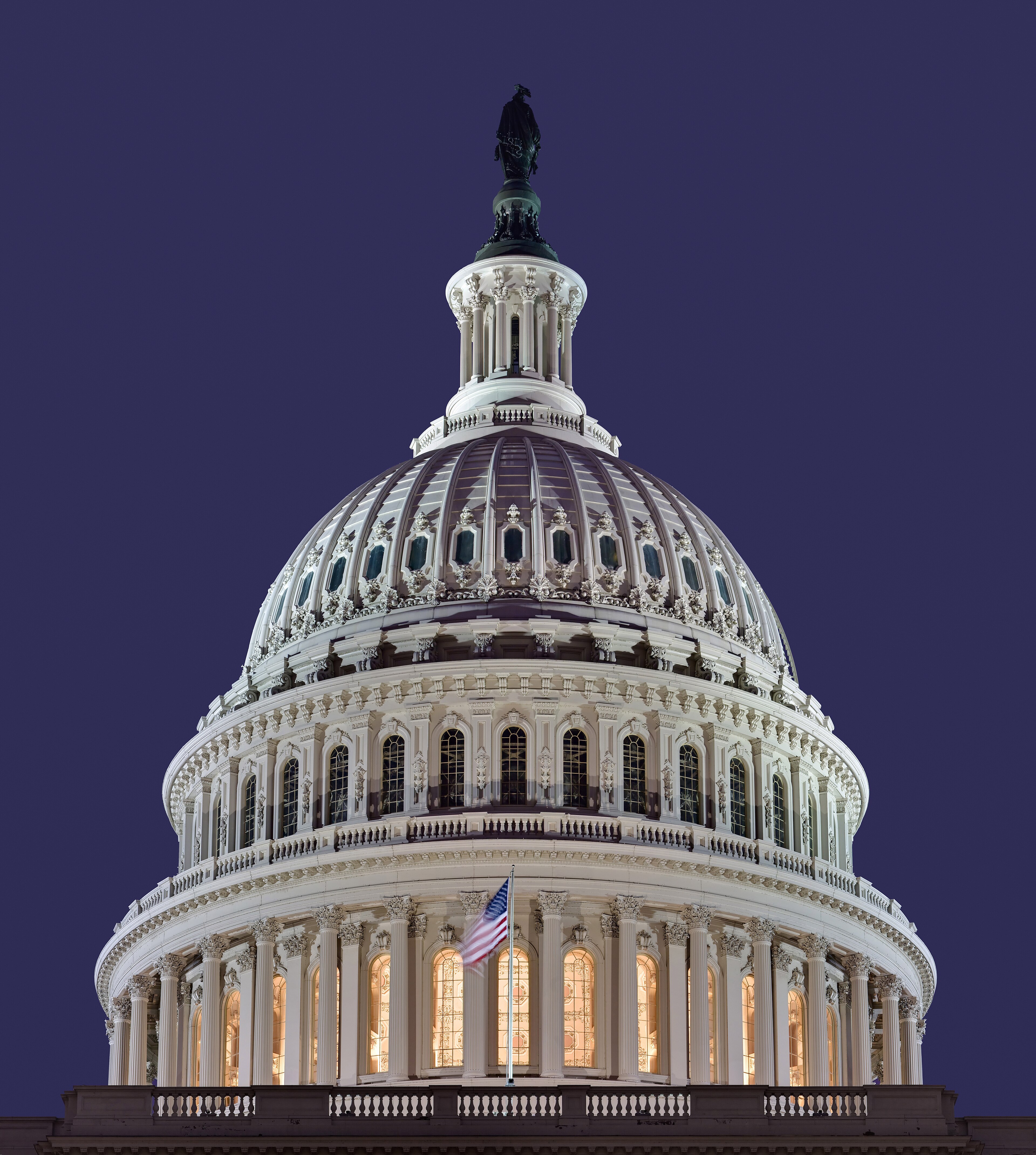
Contexto · el Capitolio de EE.UU., sede del Senado que tramitó el UAP Disclosure Act
US Capitol dome Jan 2006.jpg · Wikimedia Commons · CC BY 2.5 · abrir original
Parte 01
El expediente en cuestión
El UAP Disclosure Act fue presentado por primera vez en julio de 2023 por el líder de la mayoría del Senado Chuck Schumer (D-NY) y el senador Mike Rounds (R-SD) como enmienda al NDAA FY 2024. El texto estaba modelado explícitamente sobre el JFK Assassination Records Collection Act de 1992 — la legislación que forzó la liberación pública de los archivos del asesinato de Kennedy a través de un Assassination Records Review Board independiente. La traducción al dominio UAP planteaba la creación de un UAP Records Review Board: nueve ciudadanos designados por el Presidente, con autoridad para identificar records UAP en cualquier agencia federal, revisarlos, y forzar desclasificación bajo presunción positiva de release. La versión 2023 incluía además una provisión de eminent domain sobre material UAP recuperado en manos privadas — lenguaje sin precedente en legislación de inteligencia que asume operacionalmente la existencia de tecnología recuperada bajo custodia corporativa.
La versión 2023 fue 'gutted' en conferencia con la Cámara: las provisiones de eminent domain y el mecanismo de presunción positiva fueron removidos antes de que el NDAA FY 2024 se aprobara. Schumer, Rounds y Gillibrand (D-NY, co-introductora desde 2024) reintrodujeron una versión enmendada como S.Amdt.3111 al NDAA S.2296 (FY 2026) en 2025, con co-patrocinio bipartidista de Rubio (R-FL), Young (R-IN) y Heinrich (D-NM). El texto reintroducido reinstaló el Records Review Board pero modificó el lenguaje de eminent domain. La S.Amdt.3111 está disponible públicamente en Congress.gov.
El Act se ha convertido en el vehículo legislativo central del ciclo de divulgación 2023–2026, y sus tres reintroducciones —y dos 'guttings'— son trazadas en tiempo real por la prensa especializada (NewsNation, The Liberation Times, Sol Foundation). Una de las tres demandas formales que David Grusch y los lawmakers presentaron en el press conference del Capitolio del 9 jun 2026 ↗ es la aprobación de la versión completa del Act. La operación Burlison/FFRDC ↗ opera en el plano de la Cámara y de la investigación contratista; el UAP Disclosure Act es el complemento del Senado y del marco de Records Review Board. Juntos articulan la arquitectura legislativa bilateral del ciclo: Cámara investiga contratistas (subpoena → MITRE/RAND/Northrop), Senado intenta legislar el canal estructural de release (UAP Records Collection + Review Board independiente). Entre el staff senior que sostuvo esta arquitectura institucional figura Kirk McConnell —asesor de los comités de Servicios Armados e Inteligencia del Congreso durante casi cuatro décadas y uno de los principales staffers del Senado en materia UAP, retirado en 2024—, que tras su retiro pasó a abogar públicamente por la desclasificación.
Parte 02
Por qué este caso movió la aguja
Es el documento legislativo más ambicioso del ciclo 2023–2026: traslada el modelo JFK Records Act —que sí funcionó históricamente forzando release de archivos clasificados a través de un board independiente— al dominio UAP. Su importancia para el corpus es triple. Primero, primario: es texto legislativo accesible en Congress.gov, no testimonio ni filtración; Tier A por calidad institucional (Schumer + bipartidista, NDAA vehicle); no Tier S por ser legislación pendiente, no evidencia ni divulgación efectiva. Segundo, interpretativo: la inclusión del lenguaje de eminent domain en la versión 2023 es la afirmación operativa más fuerte del Congreso sobre la existencia de material UAP recuperado bajo custodia corporativa — el corpus la lee como un apoyo acotado a la narrativa no-humano encubierto (que ahora incluye la ingeniería inversa y la narrativa de tratado), aunque la provisión haya sido gutted. Tercero, estructural: completa la arquitectura legislativa del ciclo. La PR previa de Burlison/FFRDC ↗ cubre el lado Cámara/contratista; este caso cubre el lado Senado/marco de records. Sin él, la lectura institucional del ciclo es incompleta. Su fragilidad —que la mantiene en Tier A— es operativa: el Act sigue sin pasar en su versión completa después de tres reintroducciones, y la metodología legislativa de 'introducir → gut → reintroducir' puede ser tanto presión escalonada como teatro de captura institucional.
Parte 03
Lo que queda en papel
Evidencia documentada
- Texto legislativo primario: S.Amdt.3111 al NDAA S.2296 (FY 2026), enmienda accesible públicamente en Congress.gov
- Introductores 2025: Chuck Schumer (D-NY, líder de la mayoría), Mike Rounds (R-SD), Kirsten Gillibrand (D-NY) — con co-patrocinio de Marco Rubio (R-FL), Todd Young (R-IN), Martin Heinrich (D-NM); composición bipartidista estable a través de tres reintroducciones (2023, 2024, 2025)
- Modelo legal: JFK Assassination Records Collection Act de 1992 — precedente histórico que sí forzó liberación pública de archivos clasificados a través de un Records Review Board independiente
- Mecanismo central: UAP Records Review Board de 9 ciudadanos designados por el Presidente, con autoridad de identificar y forzar desclasificación de records UAP en cualquier agencia federal bajo presunción positiva de release
- Versión 2023 incluía provisión de eminent domain sobre material UAP recuperado en manos privadas — lenguaje sin precedente en legislación de inteligencia que asume operacionalmente la existencia de tecnología recuperada bajo custodia corporativa
- Historial de 'gutting': la versión 2023 fue gutted en conferencia con la Cámara antes de aprobarse el NDAA FY 2024; la versión 2025 (S.Amdt.3111) modificó el lenguaje de eminent domain bajo presión similar
- Articulación con el ciclo: el UAP Disclosure Act es el lado Senado del marco legislativo bilateral, complementario a la operación Burlison/FFRDC del lado Cámara ↗. UAP Records Collection establecida por la FY 2024 NDAA + NARA Record Group 615 son los anclajes legales conectados
- Cita explícita: una de las tres demandas formales del press conference del Capitolio del 9 jun 2026 ↗ es la aprobación del Act en su versión completa
Fuentes
- Congress.gov — S.Amdt.3111 to S.2296 (Unidentified Anomalous Phenomena Disclosure Act of 2025) — Texto legislativo primario, fuente oficial.
- Senator Schumer — Press release: 'Schumer, Rounds Introduce New Legislation to Declassify Government Records Related to Unidentified Anomalous Phenomena' (jul 2023) — Comunicado del líder de la mayoría con texto introductorio original.
- NewsNation — 'UAP disclosure bill revised; two key provisions stripped' — Cobertura del 'gutting' — provisiones removidas en conferencia.
- The Liberation Times — UAP Disclosure Act coverage — Análisis continuo del trayecto legislativo del Act.
- Sol Foundation — Policy analysis on UAP Disclosure Act — Análisis de política pública sobre el marco de Records Review Board.
- JFK Assassination Records Collection Act of 1992 (P.L. 102-526) — NARA — Modelo legal sobre el que se construye el UAP Disclosure Act.
Patrones que exhibe (3)
Ubicación
U.S. Senate, Washington D.C. · 38.89°, -77.01°
Casos relacionados
mismo país · 3 patrones
Investigación Burlison · contratistas FFRDC (MITRE, MIT Lincoln Lab)
2026 · Tier A · 85%
mismo país · 3 patrones
«Glowing Auras and Black Money» · el NYT revela el AATIP
2017 · Tier S · 80%
mismo país · 2 patrones
WikiLeaks Podesta Cache
2016 · Tier S · 72%
mismo país · 2 patrones
Conferencia del Capitolio · Grusch + legisladores (9 jun 2026)
2026 · Tier A · 80%
Actores asociados (3)

