1975·Norte de Uruguay (ruta Asunción–Montevideo, hacia Artigas)
Uruguay.FH-227 PLUNA · luz que escoltó al avión
El 25 de septiembre de 1975, a las 19:30, un FH-227 de la Fuerza Aérea Uruguaya al servicio de PLUNA volaba de Asunción a Montevideo a 14.000 pies. Pasado Monte Caseros, el piloto vio una luz amarillo-blanca muy brillante que subió hasta su altitud y lo acompañó a 3–5 millas.
Seguir leyendo el resumen
Al encender la luz de aterrizaje, el objeto se acercó; al apagarla, se alejó, y en ese acercamiento hubo un fuerte olor a cable quemado en cabina sin que se hallara falla eléctrica. El Control de Área no tenía tráfico en la zona. Un pasajero tomó dos diapositivas que, según la CRIDOVNI, fueron peritadas; un análisis posterior propuso que la luz era Júpiter.
Tier B · Indiciario¿Qué significan? →
Evidencia limitada: un solo testigo, un testimonio recogido años después o un relato sin documentación primaria de la época.
Qué fue
60%causa natural o humana
Explicación más probable: planeta o estrella
Ver el reparto entre las seis explicaciones
Causa natural o humana
Sin causa conocida
Imagen de contexto (no es un documento del caso)
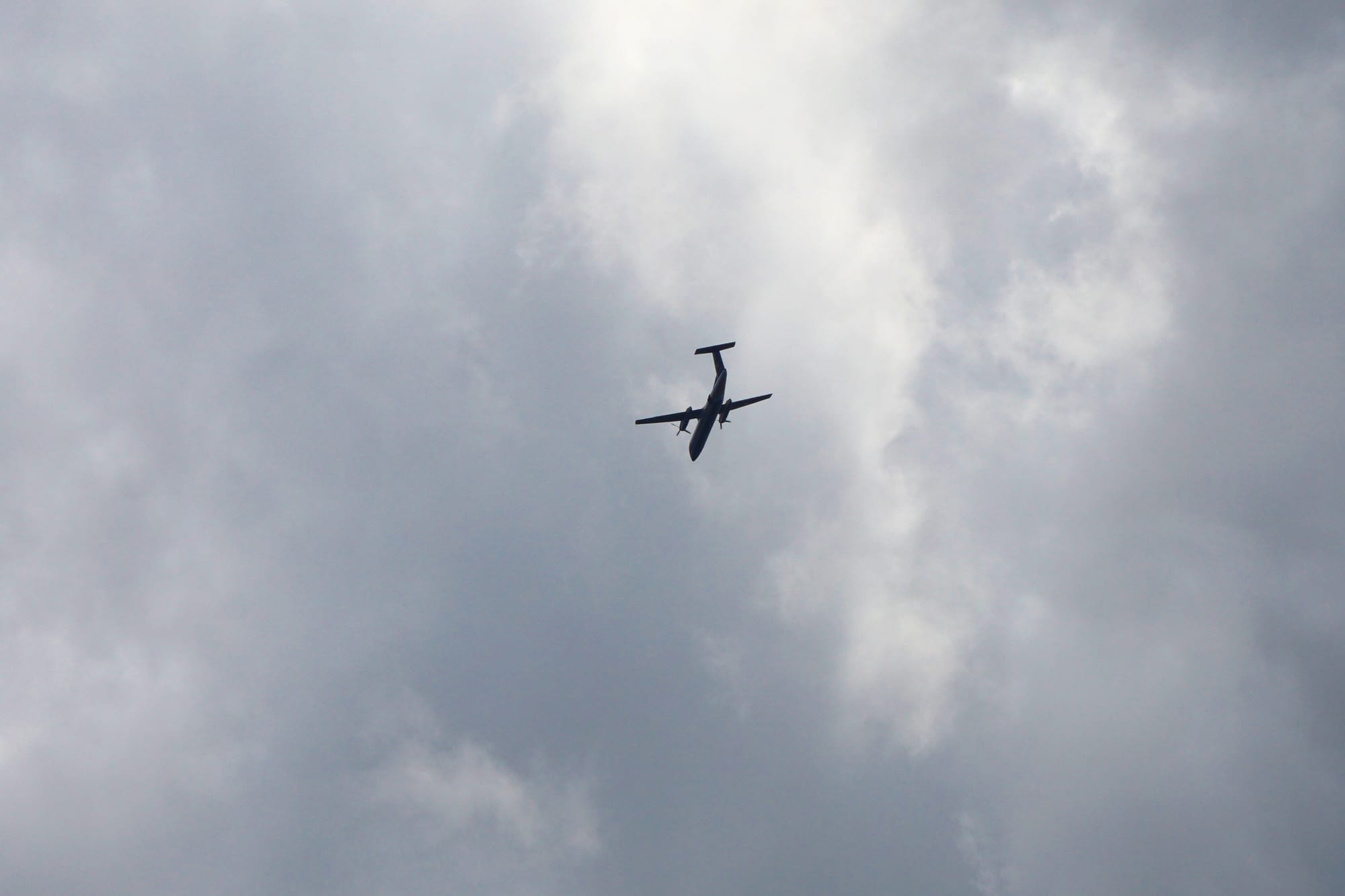
Contexto · un Fairchild F-27, del tipo del avión de PLUNA escoltado por la luz
2024 Milwaukee Air and Water Show 059 (United States Army Golden Knights Parachute Team Fokker F27 Friendship).jpg · Wikimedia Commons · CC BY-SA 4.0 · abrir original
La noche en cuestión
El 25 de septiembre de 1975, a las 19:30, un avión Fairchild FH-227 de la Fuerza Aérea Uruguaya, en servicio para la aerolínea estatal PLUNA, cubría la ruta entre Asunción del Paraguay y Montevideo. Volaba a 14.000 pies (unos 4.300 metros) y a una velocidad de crucero de 250 nudos (alrededor de 450 km/h). Ya entrada la noche, después de sobrevolar la zona de Monte Caseros (sobre la frontera entre Argentina y el norte uruguayo, en dirección a Artigas), el piloto advirtió a su izquierda y por debajo, cerca de la tierra, una luz amarillenta, casi blanca, muy brillante, que destacaba sobre el paisaje nocturno.
La luz no se quedó en tierra: comenzó a ascender y, unos cinco minutos después, se había ubicado a la misma altura del avión, a una distancia estimada de entre 3 y 5 millas, desde donde acompañó el movimiento uniforme de la aeronave uruguaya. Para comprobar si el objeto reaccionaba a un estímulo, el piloto tomó una decisión deliberada: encendió la luz izquierda de aterrizaje del avión. De inmediato observó que la luz se aproximaba de manera significativa, una tendencia que cesó (y se revirtió, volviendo el objeto a su posición o tamaño previos) cuando el piloto la apagó. Esta aparente correlación entre el faro del avión y el movimiento del objeto es el rasgo que ha hecho célebre el caso, y también el más difícil de evaluar, porque una respuesta interactiva genuina y una coincidencia temporal producen, desde la cabina, exactamente la misma impresión. Durante el breve acercamiento, la tripulación percibió en cabina un fuerte olor a cable quemado, como el de una conexión eléctrica recalentada; sin embargo, las comprobaciones de los sistemas no hallaron ningún desperfecto que lo explicara, no se vio humo y el olor desapareció a los pocos minutos. El comandante llamó al Control de Área para avisar que tenía un avión a su izquierda y a su nivel; el control le respondió que no existía ningún tráfico aéreo reportado en la ruta, a su nivel, ni siquiera en la zona. Al acercarse a Florida, el avión comenzó a descender y atravesó nubes por primera vez en el vuelo; la luz siguió acompañándolo, pero sin descender, y a los 6.000 pies, al entrar en las nubes, se perdió el contacto visual para siempre. Según los oficiales de la CRIDOVNI, observaron el fenómeno desde la cabina los dos comisarios de a bordo y el sobrino del comandante, y muchos pasajeros lo corroboraron desde sus asientos.
El sobrino, que viajaba por casualidad, fue llamado a la cabina y tomó dos fotografías en diapositiva que, según los oficiales de la CRIDOVNI (Comisión Receptora e Investigadora de Denuncias de Objetos Voladores no Identificados) de la Fuerza Aérea Uruguaya, fueron «luego peritadas por las autoridades oficiales». Conviene situar la cronología con precisión: el avistamiento es anterior a la propia comisión, que se creó el 7 de agosto de 1979. El relato que circula es el que dieron a la prensa, décadas después, el coronel Ariel Sánchez Ríos y el teniente Enrique González, de la CRIDOVNI, que lo describieron como uno de los casos que más movieron la inquietud de los investigadores; el resultado de aquel peritaje no se ha publicado.
Por qué importa
La 'interactividad' (la luz que se acerca al encender el faro de aterrizaje y se aleja al apagarlo) es el rasgo más sugestivo, pero también el más frágil: con un solo ciclo de encendido y apagado registrado, una coincidencia entre la maniobra del piloto y un objeto que de todos modos oscilaba en distancia produce exactamente la misma impresión que una respuesta deliberada, sin que desde la cabina se pueda distinguir una de otra. El olor a cable quemado sin falla eléctrica detectada es llamativo, pero los olores tienen muchas causas mundanas y la ausencia de una falla hallada no equivale a la presencia de una causa exótica. No consta confirmación por radar ni recuperación de material; lo que consta es que el Control de Área no tenía tráfico reportado en la zona.
Y hay un candidato concreto. Juan Carlos Victorio, autor del blog Misterios del Aire, que examinó el relato, las encuestas a los observadores y las diapositivas, propuso en 2014 que la luz era el planeta Júpiter, en su máximo brillo por la cercanía de su oposición del 13 de octubre: al comienzo estaba a la izquierda del avión, hacia el este y muy cerca del horizonte, justo donde el piloto vio la luz «aparentemente cerca o sobre la superficie de la tierra», y fue elevándose durante la hora y media de observación. Según él, las diapositivas solo muestran «un puntito diminuto» y, en una, un trazo irregular por el movimiento de la cámara, lo típico al fotografiar a pulso un planeta brillante. Un cálculo de efemérides para esa noche respalda lo esencial: visto a 14.000 pies sobre Monte Caseros, Júpiter, de magnitud −2,8, asomó por el este-noreste (acimut de unos 83°) hacia las 20:05 hora uruguaya y estaba a unos 20° de altura hacia las 22:00, siempre a la izquierda de un rumbo hacia Montevideo; y una luz astronómica tampoco desciende cuando el avión desciende, que es lo que hizo la luz sobre Florida. La hora también encaja: el relato de la CRIDOVNI sitúa el avión en vuelo «siendo las 19,30 hs.» y el avistamiento después, «después de sobrevolar Monte Caseros y siendo ya noche profunda», es decir, cuando Júpiter ya había salido o estaba saliendo. Lo que queda en contra es que la única fuente de la hipótesis es un blog, y que el ascenso de la luz hasta el nivel del avión en cinco minutos, la aparente respuesta al faro y el olor en cabina son elementos que la hipótesis no explica por sí sola, aunque los dos primeros son compatibles con ilusiones de percepción conocidas en pilotos. Los oficiales de la CRIDOVNI lo citan todavía entre los casos que más inquietaron a sus investigadores.
La comisión trabajó en Uruguay junto a investigadores civiles como Milton Hourcade, fundador del CIOVI (1958).
Lo que queda en papel
Evidencia documentada
- Avistamiento del comandante de un FH-227 de la FAU en servicio de PLUNA, el 25 sep 1975, a 14.000 pies en la ruta Asunción–Montevideo; según la CRIDOVNI lo observaron también los dos comisarios de a bordo, el sobrino del comandante y muchos pasajeros
- Luz amarillo-blanca vista primero cerca del horizonte, a la izquierda y hacia Artigas, que ascendió hasta la altitud del avión y lo acompañó a 3–5 millas; no descendió cuando el avión descendió y se perdió en las nubes a 6.000 pies cerca de Florida
- Aparente respuesta a la luz de aterrizaje en un ciclo de encendido y apagado; olor a quemado en cabina durante el acercamiento, sin falla ni humo
- El Control de Área respondió que no había tráfico aéreo reportado en la ruta, a su nivel ni en la zona
- Dos diapositivas tomadas por el sobrino del comandante, «luego peritadas por las autoridades oficiales» según la CRIDOVNI; resultado no publicado
- Hipótesis de Júpiter (Juan Carlos Victorio, 2014): posición al este cerca del horizonte, elevación progresiva y diapositivas que solo muestran un punto; las efemérides la respaldan, y el relato sitúa el avistamiento después de las 19:30, ya de noche, cuando Júpiter salía
Fuentes
- Fuerza Aérea Uruguaya — CRIDOVNI (Comisión Receptora e Investigadora de Denuncias de OVNI) — Página institucional de la comisión; no respondió desde aquí en sep 2026.
- Punta del Este Internacional (Carlos Brieba) — 'Las fotografías tomadas del OVNI serán analizadas por C.R.I.D.O.V.N.I.' — El titular se refiere a otro avistamiento, en Punta del Este; dentro de la nota, el coronel Ariel Sánchez Ríos y el teniente Enrique González, de la CRIDOVNI, relatan el caso de 1975: Control de Área, testigos en cabina y diapositivas peritadas.
- Misterios del Aire (Juan Carlos Victorio) — «Incidente OVNI de un avión militar uruguayo» (19 may 2014) — Análisis secundario que propone Júpiter, con el acimut del planeta desde Monte Caseros y las diapositivas del pasajero; toma el relato del sitio del CRIFAT.
Casos relacionados
Actores asociados (1)