1946·Finlandia (reportes nacionales; investigación de la Defensa)
Finlandia.Cohetes fantasma · origen finlandés (Puolustusvoimat)
La oleada de 'cohetes fantasma' de 1946 (objetos rápidos en forma de proyectil sobre Escandinavia) empezó en Finlandia: los primeros reportes son del 26 de febrero de 1946, hechos por observadores finlandeses.
Seguir leyendo el resumen
Finlandia formó parte de un fenómeno cuyo registro más sólido es el del Estado Mayor sueco: unos mil informes hasta el 1 de octubre, el 80 % de ellos atribuidos con gran probabilidad a meteoros, sin trayectorias de proyectil confirmadas ni restos de material en los supuestos puntos de impacto. Complementa al caso sueco (Försvarsstaben) anclando el origen del fenómeno y el contexto finlandés; la explicación más discutida, pruebas soviéticas de misiles capturados, no es concluyente.
Tier B · Indiciario¿Qué significan? →
Evidencia limitada: un solo testigo, un testimonio recogido años después o un relato sin documentación primaria de la época.
Qué fue
70%causa natural o humana
Explicación más probable: meteoro o bólido
Ver el reparto entre las seis explicaciones
Causa natural o humana
Sin causa conocida
Leer el porqué completo
Es el balance de la oleada que incluyó los informes finlandeses, no un análisis finlandés, que no se ha localizado; el comunicado admite casos con observaciones inequívocas que no explica. Original: «ungefähr 80 Prozent reine Lichtphänomene betroffen, die mit großer Wahrscheinlichkeit auf himmlischen Ursprung (Meteore und Meteoriten) zurückgeführt werden könnten».Imagen de contexto (no es un documento del caso)
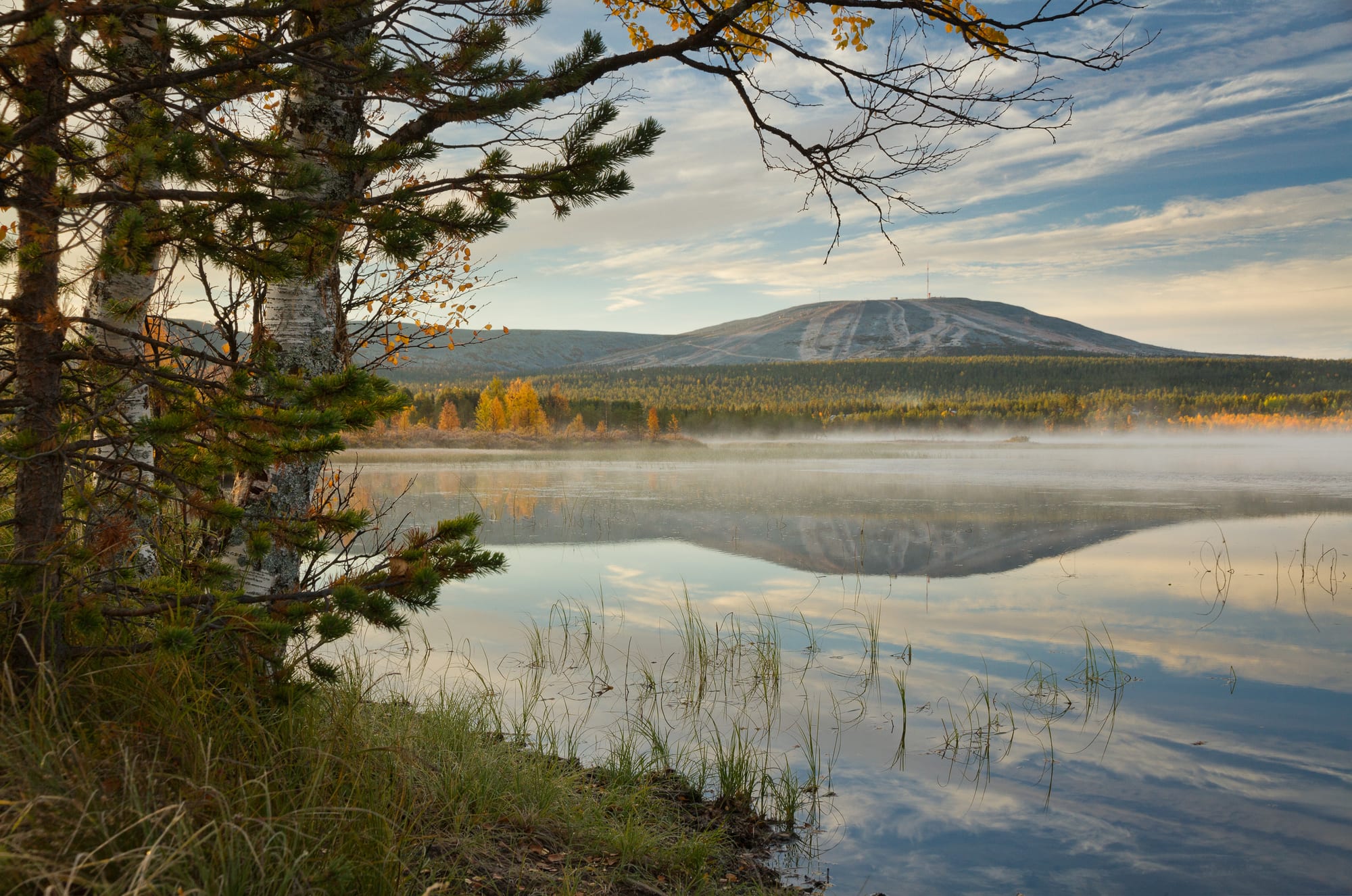
Contexto · Finlandia, escenario de los 'cohetes fantasma' de 1946
Äkäslompolo and Ylläs in Kolari, Lapland, Finland, 2018 September.jpg · Wikimedia Commons · CC BY-SA 3.0 · abrir original
La noche en cuestión
El fenómeno conocido como 'cohetes fantasma' (ghost rockets / spökraketer) (objetos veloces, generalmente con forma de proyectil o cigarro, vistos cruzando el cielo escandinavo en 1946) tuvo su primer registro en Finlandia: el 26 de febrero de 1946, observadores finlandeses reportaron los primeros avistamientos, meses antes de que la oleada se intensificara sobre Suecia en verano. Esa fecha procede de compilaciones posteriores, no de un expediente finlandés que se haya localizado: la asociación ufológica finlandesa Fufora escribía en 1999 que las observaciones de cohetes fantasma en el cielo de Finlandia «no se han investigado como es debido» y que sus datos estarían, además de en la prensa, en el Archivo de Guerra (Sota-arkisto).
A lo largo de 1946 se acumularon en la región, según las compilaciones habituales, cerca de 2.000 avistamientos, con el grueso entre mayo y diciembre y picos el 9 y el 11 de agosto. El registro primario más sólido es el del Försvarsstaben (Estado Mayor de Defensa sueco), cuyo comunicado del 10 de octubre de 1946 recogió la Neue Zürcher Zeitung al día siguiente: de los cerca de mil informes recibidos y comprobados hasta el 1 de octubre, «aproximadamente el 80 %» se referían a fenómenos puramente luminosos atribuibles «con gran probabilidad» a meteoros; la mayoría del resto eran muy imprecisos, pero «en casos concretos» hubo observaciones inequívocas que no se podían atribuir ni a fenómenos celestes, ni a la fantasía, ni a vuelos nocturnos de aviones suecos. El mismo comunicado admite, «en contraste con comunicaciones anteriores», que no había sido posible establecer con seguridad trayectorias de proyectil sobre Suecia, y que en los supuestos puntos de impacto no se habían encontrado restos de material que permitieran juzgar su origen. Finlandia, por su frontera y su posición entre la URSS y el resto de Escandinavia, fue un escenario de la oleada en plena posguerra; del lado sueco, un resumen diario de la inteligencia estadounidense del 27 de agosto de 1946 recoge que, según el encargado de negocios británico en Moscú citado por el agregado militar estadounidense, los suecos eran «muy aprensivos» a hacer cualquier declaración sobre los cohetes que pudiera «provocar» a la URSS.
Este caso complementa al sueco (↗, la investigación de la Försvarsstaben): ancla el origen finlandés del fenómeno y el contexto finlandés. Sobre la naturaleza, hay dos explicaciones convencionales que cubren buena parte de la ola sin necesidad de nada exótico. La primera, la más discutida en 1946 como cuestión de seguridad, fue que se tratara de pruebas soviéticas de misiles alemanes capturados (derivados de las V-1/V-2 a partir de instalaciones y personal de Peenemünde tomados por la URSS); pero el propio Estado Mayor sueco terminó por no confirmarla, porque no logró establecer trayectorias de proyectil ni encontró restos de material en los supuestos impactos, ningún misil de la época tenía el alcance ni la precisión necesarios para tantos sobrevuelos, y varios reportes describían vuelo lento, horizontal, en formación y silencioso, impropio de un cohete balístico. La segunda explicación, astronómica, es que una fracción sustancial de los avistamientos fueran meteoros y bólidos: es la lectura que el Estado Mayor sueco aplicó al 80 % de los informes, y los dos picos de agosto coinciden con el máximo de las Perseidas. Ninguna de las dos agota la totalidad de los reportes (en especial los de trayectoria horizontal lenta o de caída en lagos), de modo que el episodio quedó sin explicación única y concluyente.
Por qué importa
La oleada de cohetes fantasma de 1946 empezó en Finlandia; fue el primer gran episodio de seguridad nacional de la era OVNI moderna y, cronológicamente, anterior al término 'platillo volador' (que aparece con Kenneth Arnold en junio de 1947). Eso muestra que el procesamiento estatal de objetos aéreos anómalos nació antes de la cultura del platillo de la posguerra estadounidense y en otro continente, impulsado por una lógica de seguridad (el miedo a la tecnología de otra potencia sobre territorio nacional sin atribución posible).
Complementa al caso sueco mostrando que el fenómeno fue multinacional y movilizó a más de un Estado a la vez, y aporta el dato de su inicio fechado. Comparte la explicación abierta del caso sueco: las dos lecturas convencionales fuertes son las pruebas de misiles soviéticos (nunca confirmada, debilitada por la falta de fragmentos) y los meteoros/bólidos (que cubren los picos de agosto vía las Perseidas pero no toda la casuística). Es, en suma, un buen recordatorio de que una ola de avistamientos puede ser a la vez históricamente real, institucionalmente seria y mayormente explicable por causas mundanas sin que ninguna de esas tres cosas anule a las otras.
Lo que queda en papel
Evidencia documentada
- Primeros reportes de la oleada: 26 de febrero de 1946, por observadores finlandeses (antes del pico sueco de verano).
- ~2.000 avistamientos en la región durante 1946 según compilaciones posteriores (picos 9 y 11 de agosto); el Estado Mayor sueco contaba cerca de mil informes hasta el 1 de octubre.
- Comunicado del Estado Mayor sueco (10 oct 1946, en la NZZ): ~80 % meteoros; casos concretos inequívocos sin explicar; ninguna trayectoria de proyectil confirmada y ningún resto de material en los supuestos impactos.
- La explicación más discutida, pruebas soviéticas de misiles capturados, quedó sin confirmar: el Estado Mayor sueco no estableció trayectorias de proyectil ni halló restos de material; sin conclusión.
Fuentes
- Wikipedia — Ghost rockets (primeros reportes finlandeses, feb 1946)
- PROJECT 1947 — Scandinavian Ghost Rocket Reports 1946
- Neue Zürcher Zeitung, 11 oct 1946, «Die Raketengeschosse über Schweden. Bericht des schwedischen Generalstabs» (fuente primaria, Internet Archive) — Comunicado del Estado Mayor sueco: unos mil informes hasta el 1 de octubre, ~80 % fenómenos luminosos atribuibles a meteoros; sin trayectorias de proyectil confirmadas ni restos de material.
- CIG — Daily Summary, 27 ago 1946 (CIA Reading Room 01068524, Internet Archive) — Recoge que los suecos eran muy aprensivos a declarar algo sobre los cohetes fantasma que pudiera provocar a la URSS.
- Fufora — «Ufotutkimuksen vaiheita Suomessa» (fuente secundaria, 1999) — La asociación finlandesa constata que las observaciones finlandesas de 1946 no se han investigado a fondo.
Casos relacionados
mismo objeto · misma época
Ghost Rockets · Försvarsstaben
1946 · Tier A
mismo objeto · misma época
Sandia: bolas de fuego verdes
1948 · Tier A
mismo objeto · misma época
Chiles-Whitted · dos pilotos de aerolínea y un objeto con ventanas (EE.UU., 1948)
1948 · Tier A
mismo objeto · misma época
Tananarive · Madagascar
1954 · Tier B