Caso Nº 132·Canadá
1950·Ottawa, Canadá (Department of Transport / Defence Research Board)
Canadá.Project Magnet / Second Storey · programas UFO del gobierno (Canadá)
En diciembre de 1950, Transport Canada estableció Project Magnet, un programa oficial de estudio de OVNIs dirigido por el ingeniero de radio Wilbert B. Smith, con el objetivo de investigar el fenómeno y la posibilidad de aprovechar el geomagnetismo para propulsión. En abril de 1952 el gobierno creó además Project Second Storey, un comité paralelo del Defence Research Board. Magnet estuvo activo formalmente hasta 1954. Son dos de los programas estatales de UFO más tempranos del mundo; encuadre honesto: las conclusiones extraterrestres fueron interpretación personal de Smith, no postura oficial — el valor es la temprana institucionalización del tema en un gobierno del G7.
Año
1950
Tier
A
Probabilidad
55%
Categoría
Documento
Evidencia institucional: múltiples testigos verificables o documentación oficial. Tres ejes independientes: el «tier» mide la fuerza de la evidencia; la «probabilidad» estima cuán genuinamente inexplicado está el caso —un fenómeno natural puede seguir sin explicación, así que no equivale a «no-prosaico»—; y la partición de explicaciones (abajo) dice qué fue más plausiblemente. Por eso un caso bien documentado puede tener como causa más plausible un posible fraude, y un Tier B no es, por eso, un fraude.
Documentos primarios · visor
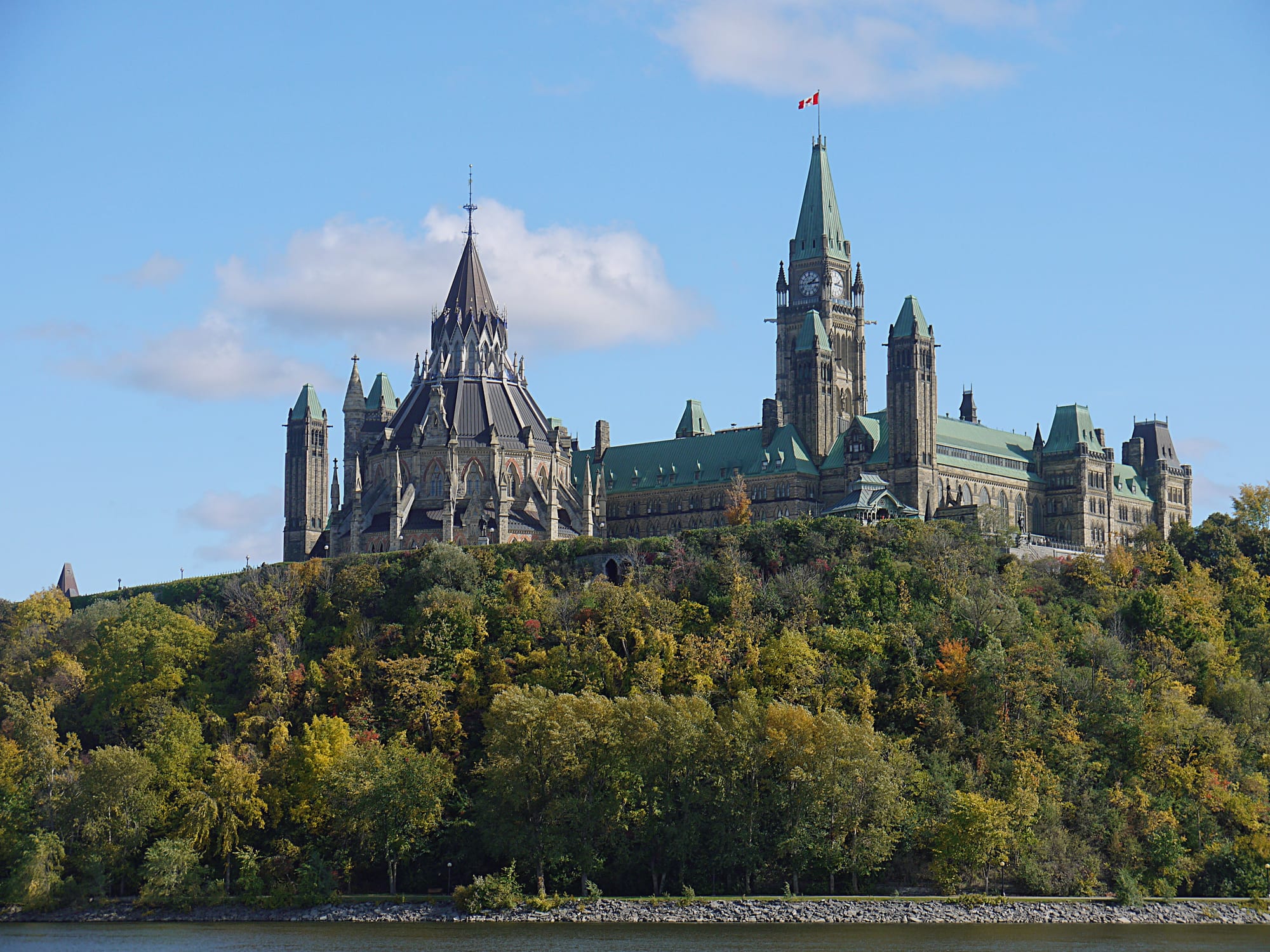
Contexto · Ottawa (Canadá), sede del Department of Transport que dirigió Project Magnet
Parliament Hill from the Ottawa River.JPG · Wikimedia Commons · CC BY-SA 2.5 ca · abrir original
Parte 01
El expediente en cuestión
El 2 de diciembre de 1950, el Department of Transport (Transport Canada) aprobó formalmente Project Magnet, un programa de estudio de fenómenos aéreos no identificados bajo la dirección de Wilbert Brockhouse Smith, ingeniero senior de radio del Department of Transport con maestría en ingeniería eléctrica. El objetivo declarado era recolectar datos sobre OVNIs y aplicar lo aprendido a la ingeniería, en particular explorar si las anomalías del campo geomagnético podían usarse para detectar estos objetos y, eventualmente, como fuente de propulsión.
El origen intelectual del proyecto está documentado y es notable. Antes de su aprobación, en septiembre de 1950, Smith mantuvo en Washington una conversación con el físico Robert I. Sarbacher, consultor del Research and Development Board del Departamento de Defensa de EE.UU. Smith resumió esa conversación en un memorando interno fechado el 21 de noviembre de 1950 que el propio gobierno canadiense clasificó como 'Top Secret': en él afirma haber sabido, por vía del personal de la embajada canadiense, que el asunto de los platillos era materia de altísima clasificación en EE.UU. —según su redacción, por encima incluso de la bomba de hidrógeno— y objeto de un esfuerzo concentrado. Esa percepción de un secreto extranjero mayor es lo que impulsó a Smith a pedir su propio programa de investigación; el memo de Smith es, hasta hoy, una de las piezas más citadas de la literatura de desclasificación canadiense, aunque las afirmaciones de Sarbacher que recoge nunca fueron corroboradas de forma independiente.
Magnet operó unos cuatro años. Smith montó una pequeña estación de instrumentos en Shirleys Bay, cerca de Ottawa, para intentar detectar perturbaciones asociadas a los OVNIs. En un informe (presentado al comité Second Storey hacia 1953) sostuvo que los OVNIs eran probablemente de origen inteligente y extraterrestre y que casi con certeza aprovechaban el magnetismo para volar —una conclusión que ni su propio departamento ni el comité respaldaron—. En paralelo, en abril de 1952, el gobierno canadiense estableció Project Second Storey, un comité del Defence Research Board encargado de evaluar los reportes de OVNIs, con Smith también involucrado. A diferencia de Magnet, Second Storey adoptó una postura escéptica: concluyó que los testimonios eran demasiado poco fiables y subjetivos para sostener conclusiones y recomendó no destinar recursos sostenidos al asunto.
El encuadre del corpus es equilibrado. Lo institucionalmente sólido y verificable es la existencia de dos programas estatales formales dedicados al fenómeno, en un país del G7, a comienzos de los años 50 —entre los más tempranos del mundo, contemporáneos de los primeros esfuerzos de la USAF (Sign, Grudge, luego Blue Book)—. Lo que NO debe sobrevenderse son las conclusiones: la tesis extraterrestre y magnética era la interpretación personal de Smith, no una postura oficial del gobierno canadiense; Magnet perdió el financiamiento estatal en 1954 (Smith lo continuó de forma informal hasta su muerte en 1962) y Second Storey fue explícitamente desestimatorio. El valor del caso es la temprana institucionalización del tema —no una validación del fenómeno—.
Parte 02
Por qué este caso movió la aguja
Complemento institucional de los casos canadienses de incidente (Shag Harbour, Falcon Lake, Yukon): muestra que Canadá no solo tuvo avistamientos documentados sino dos programas oficiales de gobierno dedicados al fenómeno a comienzos de los años 50 —entre los más tempranos del mundo—. Refuerza la tesis del corpus de que el procesamiento institucional de UAP precede por décadas al ciclo actual y no es exclusivo de EE.UU. Más aún, la cadena documental Magnet–Second Storey ilustra una dinámica que se repetirá durante setenta años: un Estado dedica recursos al tema porque le preocupa la seguridad nacional y la posibilidad de tecnología extranjera, pero sus órganos formales tienden a la cautela escéptica, mientras los investigadores individuales más comprometidos llegan a conclusiones mucho más fuertes que la institución nunca asume. Smith y su comité son, en miniatura, el patrón AATIP/AARO de hoy.
El caso es también un buen ejercicio de disciplina epistémica. Es tentador leer el memo 'Top Secret' de 1950 y la cita de Sarbacher como prueba temprana de un encubrimiento internacional coordinado; el corpus se resiste a esa lectura. Lo verificable es el documento y su clasificación, no la veracidad de lo que Sarbacher supuestamente le dijo a Smith, que nunca se corroboró de forma independiente y que en años posteriores fue matizado. El valor del caso es institucional —la temprana estructuración estatal del tema— y no fenomenológico; por eso se incluye con honestidad: las conclusiones extraterrestres fueron de Smith, no del Estado canadiense, y el comité paralelo (Second Storey) fue desestimatorio.
Parte 03
Lo que queda en papel
Evidencia documentada
- Project Magnet: aprobado por Transport Canada el 2 dic 1950, dirigido por el ingeniero Wilbert B. Smith; activo formalmente hasta 1954.
- Project Second Storey: comité del Defence Research Board (abr 1952); evaluó reportes y concluyó que eran poco fiables (postura escéptica).
- Informe preliminar de Smith (jun 1952): tesis de origen extraterrestre y propulsión magnética — interpretación personal, no postura oficial.
- Encuadre honesto: dos de los programas estatales de UFO más tempranos del mundo; valor institucional, no validación del fenómeno.
Fuentes
- Wikipedia — Project Magnet (Canada)
- Library and Archives Canada — Wilbert Smith / Project Magnet records (Department of Transport)
- DoW/USAF — «Joint US-Canadian Aviation Projects and UFO Sighting Reports» (1954–1955) — Correspondencia y reportes conjuntos EE.UU.–Canadá del período de Project Magnet / Second Storey. AARO UAP Records, release 04 (DOWUAPD095).
Patrones que exhibe (1)
Ubicación
Ottawa, Canadá (Department of Transport / Defence Research Board) · 45.42°, -75.70°
Casos relacionados
Actores asociados (1)