Caso Nº 134·Estados Unidos
1980·Santa Fe, Nuevo México (Distrito Judicial 1°)
Estados Unidos.Operation Animal Mutilation (Informe Rommel, FBI/DOJ)
Investigación federal de mutilaciones de ganado encargada en 1979 por el Senador Harrison Schmitt (Nuevo México) tras presión política rural, financiada con una grant LEAA del Departamento de Justicia y ejecutada por el ex-agente FBI Kenneth Rommel desde la Fiscalía del 1° Distrito Judicial. El informe final (junio 1980, 297 páginas) examinó 15 casos en NM con necropsias veterinarias formales y trabajo de campo, y concluyó que el patrón se explica por muerte por causas naturales seguida de depredación y descomposición. No halló evidencia de instrumentos quirúrgicos, helicópteros encubiertos, sectas, ni intervención anómala. Es el documento institucional más sólido del corpus para la hipótesis fenómenos-naturales sobre mutilaciones.
Año
1980
Tier
S
Probabilidad
8%
Categoría
Documento
Evidencia fuerte: registro de sensor instrumental + múltiples testigos (típicamente militar). Tres ejes independientes: el «tier» mide la fuerza de la evidencia; la «probabilidad» estima cuán genuinamente inexplicado está el caso —un fenómeno natural puede seguir sin explicación, así que no equivale a «no-prosaico»—; y la partición de explicaciones (abajo) dice qué fue más plausiblemente. Por eso un caso bien documentado puede tener como causa más plausible un posible fraude, y un Tier B no es, por eso, un fraude.
Documentos primarios · visor
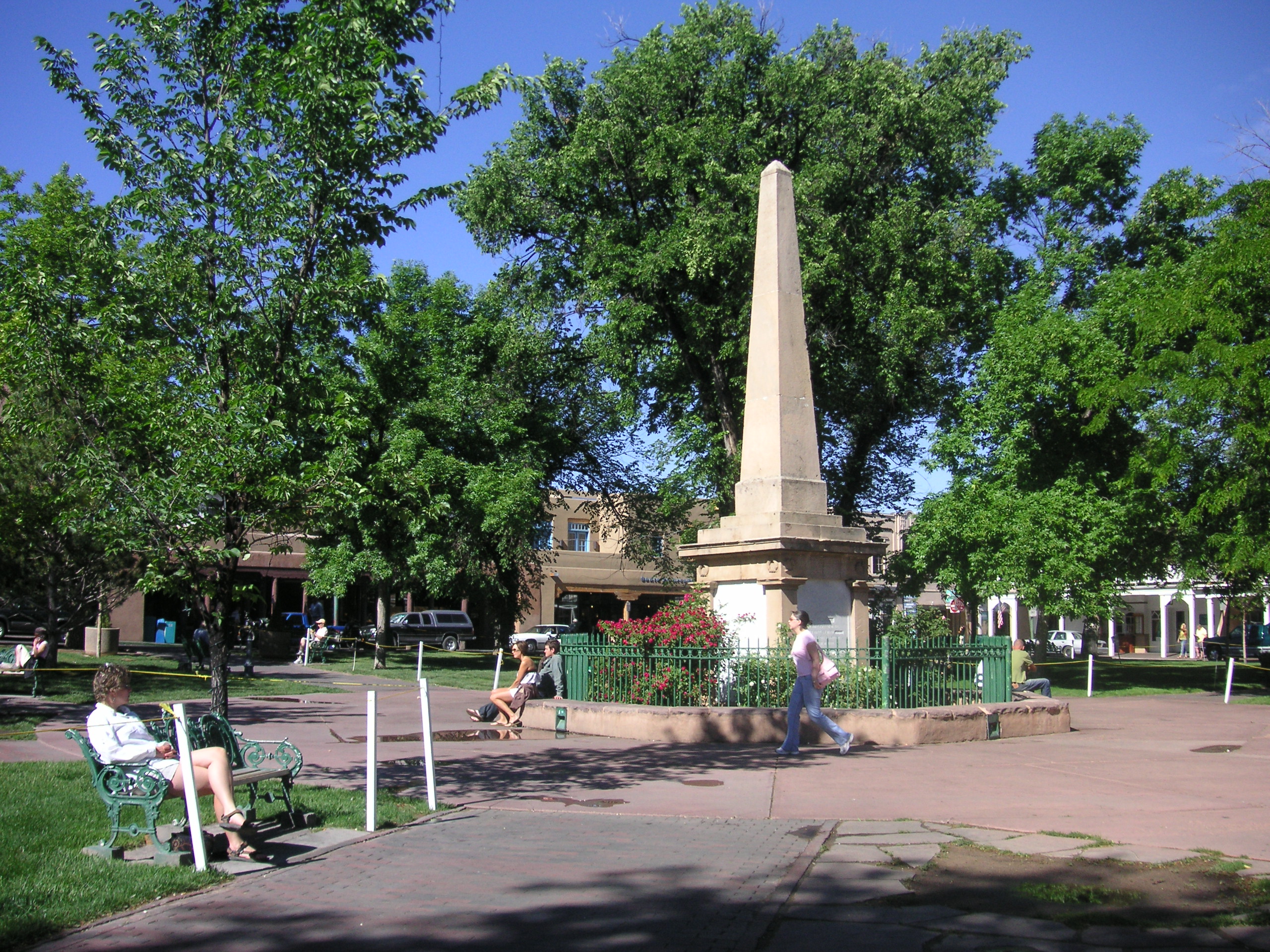
Contexto · Santa Fe (Nuevo México)
Santa Fe Plaza.jpg · Wikimedia Commons · CC BY 2.0 · abrir original
Parte 01
El expediente en cuestión
En abril de 1979, ante una ola persistente de reportes de ganado encontrado muerto con cortes 'quirúrgicos', ausencia de sangre y tejidos blandos faltantes —y atribuciones recurrentes a OVNIs, helicópteros negros y sectas—, el Senador Harrison Schmitt (NM) convocó una conferencia federal en Albuquerque. Asistieron el FBI, fiscales locales, el AG de Nuevo México Toney Anaya, veterinarios y rancheros. La conclusión política fue clara: hacía falta una investigación con autoridad ejecutiva, no más folklore.
“Operation Animal Mutilation: Report of the District Attorney, First Judicial District, State of New Mexico”
La Law Enforcement Assistance Administration (LEAA) del Departamento de Justicia aprobó una grant de aproximadamente USD 44,170 a la Fiscalía del 1° Distrito Judicial de NM (Santa Fe) para conducir la investigación. La fiscalía contrató a Kenneth M. Rommel —agente FBI retirado con 28 años de carrera, sin agenda en el debate OVNI— como director de proyecto. Durante doce meses, Rommel y su equipo respondieron a cada reporte fresco que pudieron alcanzar en NM, ordenaron necropsias veterinarias formales en laboratorios estatales, entrevistaron a rancheros, sheriffs, veterinarios y testigos de luces, y revisaron archivos previos.
La investigación, iniciada en mayo de 1979 y desarrollada durante aproximadamente un año, se estructuró en torno a cinco objetivos formales, entre ellos: determinar la fiabilidad de la información en la que se basó la solicitud de la grant, esclarecer la causa del mayor número posible de mutilaciones —en particular las ocurridas en Nuevo México— y establecer si las mutilaciones de ganado constituían un problema serio de aplicación de la ley. El 15 de abril de 1980 Rommel ofreció una conferencia de prensa adelantando sus conclusiones, antes de la entrega formal del informe.
El informe final, 'Operation Animal Mutilation: Report of the District Attorney, First Judicial District, State of New Mexico', se entregó al DOJ en junio de 1980. Las 297 páginas examinan 15 casos en detalle. En cada uno, las necropsias documentaron muerte por causas naturales conocidas —parto difícil, enfermedad, clostridium, rayo, intoxicación por loco weed— seguida de depredación normal por coyotes, perros y aves carroñeras que consumen tejidos blandos primero (ojos, lengua, ano, genitales), que son además las partes más expuestas y peor protegidas por el cuero, extremadamente resistente, del animal. Los 'cortes quirúrgicos' resultan de la combinación de mordeduras de carnívoros pequeños, lividez post mortem que vacía la zona de sangre visible, hinchazón y tensión de la piel por gases de descomposición que al desgarrarse produce bordes de apariencia limpia, y desecación de esos bordes en clima seco. Rommel señaló que sus hallazgos coincidían con los de sheriffs y patólogos de otros estados. Descartó explícitamente intervención de sectas, helicópteros militares encubiertos y agentes federales clandestinos: no halló instrumentos, no halló testigos de operaciones, no halló rastros físicos compatibles con esas hipótesis.
La recepción del informe ilustra por qué un caso escéptico no zanja automáticamente un debate cultural. El propio Senador Schmitt, que había impulsado la investigación, le dio un respaldo apenas calificado: declaró que el informe estaba 'bastante bien escrito', pero que 'ciertamente no responde a todas las preguntas'. Para una parte de la comunidad de investigadores de mutilaciones, la muestra de 15 casos en un solo estado era demasiado estrecha para generalizarse a un fenómeno reportado en buena parte del oeste estadounidense; para otros, la concordancia entre necropsias, patólogos y depredación documentada hacía del informe la explicación de referencia. El corpus registra ambas posturas, pero reconoce que la asimetría probatoria favorece a Rommel: la hipótesis natural está sostenida por necropsias y patología, mientras que las hipótesis anómalas se apoyan en inferencia a partir de la apariencia de los cadáveres.
Parte 02
Por qué este caso movió la aguja
El Informe Rommel es el contrapeso institucional más fuerte del corpus para una categoría entera de fenómeno. No es un OVNI 'desmentido'; es una clase completa de anomalía —mutilaciones de ganado, presentes en folklore, prensa y cine desde los 70— sometida a investigación federal con autoridad judicial, financiamiento DOJ, metodología veterinaria estándar y un director sin sesgo previo. La conclusión es nítida y verificable: el patrón es natural. Esto vale más que cualquier opinión escéptica individual porque cumple los criterios que el corpus exige para los casos pro-anómalos: documento primario, autoridad institucional, metodología reproducible. Tier S precisamente porque la rigurosidad metodológica es simétrica con la que se exige a los casos que pesan en la otra dirección. Si Colares 1977 es Tier S por la investigación FAB, Rommel 1980 es Tier S por la investigación DOJ.
Parte 03
Lo que queda en papel
Evidencia documentada
- Conferencia federal abril 1979 en Albuquerque convocada por el Senador Harrison Schmitt (NM); asistieron FBI, AG Toney Anaya, fiscales y rancheros
- Grant LEAA del Departamento de Justicia (~USD 44,170) a la Fiscalía del 1° Distrito Judicial de NM para conducir la investigación
- Director del proyecto: Kenneth M. Rommel, ex-agente FBI con 28 años de carrera, contratado por su independencia respecto al debate OVNI
- 297 páginas, 15 casos examinados en detalle con necropsias veterinarias formales en laboratorios estatales (1979–1980)
- Conclusión documentada: muerte por causas naturales (parto difícil, enfermedad, clostridium, rayo, loco weed) + depredación normal (coyotes, perros, aves carroñeras) + lividez/desecación post mortem explican el patrón completo
- Refutación explícita de hipótesis de sectas, helicópteros militares encubiertos y operativos federales clandestinos: cero instrumentos, cero testigos directos, cero trazas físicas compatibles
Fuentes
- Rommel, K.M. — 'Operation Animal Mutilation: Report of the District Attorney, First Judicial District, State of New Mexico' (junio 1980) — Informe primario de 297 páginas entregado al DOJ.
- FBI Vault — Animal Mutilation files — Archivo desclasificado del FBI con correspondencia y materiales relacionados al caso.
Ubicación
Santa Fe, Nuevo México (Distrito Judicial 1°) · 35.69°, -105.94°
Casos relacionados