Caso Nº 03·Estados Unidos
1947–1948·Muroc Field, California
Estados Unidos.NARA RG 38 · resúmenes de incidentes
La Oficina de Inteligencia Naval compiló desde 1947 resúmenes estructurados de incidentes sobre bases aeronavales — incluido Muroc, el mismo día del comunicado de Roswell — preservados en el Record Group 38 de los Archivos Nacionales: documentación operacional interna, no comunicados de prensa.
Año
1947–1948
Tier
S
Probabilidad
85%
Categoría
Documento
Evidencia fuerte: registro de sensor instrumental + múltiples testigos (típicamente militar). Tres ejes independientes: el «tier» mide la fuerza de la evidencia; la «probabilidad» estima cuán genuinamente inexplicado está el caso —un fenómeno natural puede seguir sin explicación, así que no equivale a «no-prosaico»—; y la partición de explicaciones (abajo) dice qué fue más plausiblemente. Por eso un caso bien documentado puede tener como causa más plausible un posible fraude, y un Tier B no es, por eso, un fraude.
Documentos primarios · visor
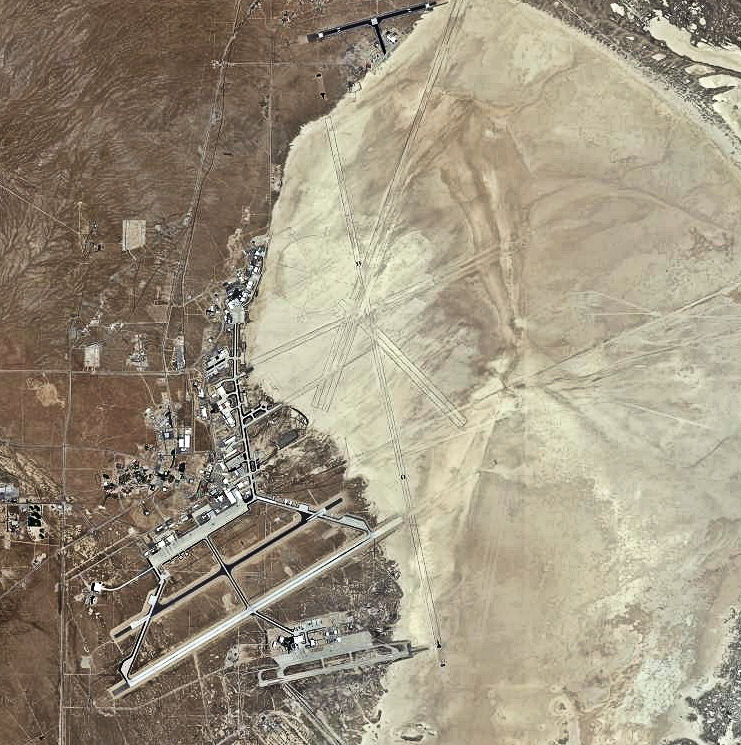
Contexto · Rogers Dry Lake (Muroc / Edwards, California), citado en los reportes de 1947
Edwards Air Force Base - Rogers Dry Lake CA 2006.jpg · Wikimedia Commons · Dominio público · abrir original
Parte 01
El expediente en cuestión
El Record Group 38 de los Archivos Nacionales de Estados Unidos (NARA) corresponde a los 'Records of the Office of the Chief of Naval Operations', el fondo donde se conservan los registros de la inteligencia naval (ONI) y de las comandancias operativas de la US Navy. Dentro de ese grupo documental se preservan, entre miles de series, resúmenes de incidentes ('Incident Summaries') y mensajes operativos generados durante la primera ola moderna de avistamientos de 'discos voladores' de 1947, cuando la Navy — al igual que el entonces Army Air Forces — recibió y procesó reportes de su personal en bases aeronavales y aéreas.
“. El 8 de julio de 1947 — el mismo día en que el campo de Roswell emitió su célebre comunicado sobre la recuperación de un ”
El contexto de 1947 es decisivo. El verano de ese año vio una oleada nacional de reportes tras el avistamiento de Kenneth Arnold (24 de junio) cerca del Monte Rainier, que acuñó la expresión 'flying saucers'. El 8 de julio de 1947 — el mismo día en que el campo de Roswell emitió su célebre comunicado sobre la recuperación de un 'disco', retractado horas después como un globo meteorológico — el sur de California vivía su propio episodio: testigos militares en la zona de Muroc Army Air Field (futuro Edwards AFB), el principal sitio de prueba de aeronaves experimentales del país, reportaron objetos discoidales con comportamientos que no encajaban con las plataformas conocidas. Estos reportes fueron canalizados por escrito dentro del aparato de inteligencia.
El valor del RG 38 no es una afirmación extraordinaria sobre un objeto concreto, sino documental y estructural: demuestra que la Navy generó y archivó registros formales del fenómeno en paralelo al cauce de la Army Air Forces (la cadena Twining → Project Sign → Grudge → Blue Book). Es decir, desde el inicio hubo más de una agencia recogiendo datos por canales separados, algunos clasificados. La identificación y catalogación de estos documentos en archivos abiertos se debe en buena parte al trabajo de investigadores e historiadores que aplicaron FOIA y revisión archivística sistemática a partir de los años 1980-1990 (entre ellos Barry Greenwood y el equipo de Michael Swords).
Una nota de cautela necesaria: el lenguaje preciso, las cifras de velocidad y las descripciones kinéticas atribuidas a casos individuales dentro del RG 38 varían según la serie y deben verificarse documento por documento; este corpus las trata como ilustrativas del tipo de contenido, no como citas textuales certificadas. El punto sólido y comprobable es la existencia misma del fondo y el hecho de que partes de la documentación de inteligencia de esa época han permanecido retenidas o parcialmente clasificadas durante décadas, en tensión con los plazos normales de desclasificación automática para material de más de 25-75 años.
Parte 02
Por qué este caso movió la aguja
El RG 38 importa por lo que prueba sin necesidad de interpretar testimonios: que el aparato militar estadounidense generó documentación estructurada e interna del fenómeno desde la primera ola de 1947, y que esa documentación no se limitó al cauce de la Army Air Forces que terminaría desembocando en Project Blue Book. La participación naval, en paralelo, es la evidencia más temprana de un sistema multi-agencia, parcialmente clasificado, de registro de avistamientos — el mismo patrón dual que el memo Bolender confirmaría explícitamente en 1969.
La lectura sobria del caso evita dos excesos. No se debe sobreinterpretar el contenido: la mayor parte del material del RG 38 es operacional e incidental — mensajes, resúmenes, correspondencia — y no constituye una prueba sobre la naturaleza de los objetos ni una decisión de alto nivel. Pero tampoco se debe minimizar el hecho estructural: la existencia del fondo, su origen contemporáneo a los eventos, y la retención prolongada de partes del material bajo clasificación son datos verificables que dicen algo sobre cómo la institución trató y sigue tratando la información.
Por eso el peso del caso es acotado y se dirige a la narrativa de programa clasificado (humano), no a la naturaleza del fenómeno: el RG 38 documenta el sistema institucional, no resuelve qué se observó. Su mayor utilidad para el corpus es servir de ancla archivística — un punto de entrada a fuentes primarias auditables — frente a casos que dependen de testimonio. La cautela metodológica es parte del valor: el corpus distingue entre lo comprobable (el fondo existe, hubo canal naval paralelo, hay retención) y lo que requiere verificación documento a documento (las cifras y descripciones de incidentes concretos).
Parte 03
Lo que queda en papel
Evidencia documentada
- Documentación naval contemporánea de la ola de 'flying discs' de 1947 conservada en NARA RG 38
- Episodio de Muroc Army Air Field el 8 de julio de 1947 (mismo día del comunicado de Roswell)
- Catalogación independiente vía FOIA y revisión archivística (Greenwood, Swords) desde los años 1980-1990
- Retención prolongada / clasificación parcial de parte del material de inteligencia de la época
Fuentes
- NARA Record Group 38 — ONI Records
- Swords, M. & Powell, R. — UFOs and Government (2012) — Catálogo cronológico de docs militares
- Greenwood, B. — Just Cause (CAUS 1985-2000) — Newsletter dedicado a FOIA-recovered docs
Ubicación
Muroc Field, California · 34.95°, -117.88°
Casos relacionados