2008·Aeropuerto Internacional de Harare (hoy Robert Gabriel Mugabe Intl), Harare
Zimbabwe.Aeropuerto de Harare · disco con luces rotatorias sobre el aeropuerto (Zimbabue, 2008)
En la tarde del 2 de julio de 2008, un objeto no identificado quedó suspendido «a gran altitud» sobre el Aeropuerto Internacional de Harare (Zimbabue), observado «posiblemente» por radar y por medios ópticos: un disco de centro hueco con luces rotatorias debajo, del que salieron «haces», que cambió de color y ascendió rápido.
Seguir leyendo el resumen
Lo registra un informe de la CIA del 3 de julio (inteligencia «no evaluada definitivamente»), desclasificado en 2026 en la tercera entrega de PURSUE. No es un análisis de la CIA: recoge el debate entre un dispositivo de reconocimiento extranjero y un origen extraterrestre. No hay datos de radar, fotos ni corroboración.
Tier B · Indiciario¿Qué significan? →
Evidencia limitada: un solo testigo, un testimonio recogido años después o un relato sin documentación primaria de la época.
Qué fue
60%sin causa conocida
La evidencia no alcanza para decidir entre las explicaciones
Ver el reparto entre las seis explicaciones
Sin causa conocida
Causa natural o humana
Leer el porqué completo
Tasa base de casos parecidos: en su informe del año fiscal 2024, la AARO resolvió 118 casos, «todos ellos resueltos como objetos prosaicos, como diversos tipos de globos, aves y sistemas aéreos no tripulados (UAS)», y el informe de 2023 añade que la mayoría «muestran características ordinarias de fuentes fácilmente explicables».Documentos primarios
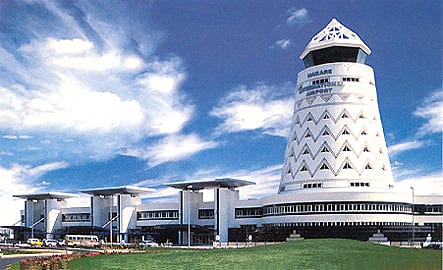
Contexto · el aeropuerto internacional de Harare (Zimbabue)
Harare International Airport.jpg · Wikimedia Commons · CC BY-SA 3.0 · abrir original
CIA-UAP-017 — alerta alta por postura agresiva extranjera percibida (Harare, 2008)
Central Intelligence Agency (PURSUE Release 03) · Dominio público · obra del Gobierno de EE. UU. · abrir original
La noche en cuestión
En la tarde del 2 de julio de 2008, sobre el Aeropuerto Internacional de Harare (principal terminal aérea de Zimbabue, hoy renombrada Robert Gabriel Mugabe International Airport), se reportó un objeto no identificado «suspendido a gran altitud». Según el único registro que existe, fue observado «posiblemente tanto por radar como por medios ópticos», y los reportes indicaban que se mantenía a una altitud indeterminada directamente sobre el aeropuerto. La descripción de los observadores es específica: un objeto con forma de disco y el centro hueco, con una serie de luces rotatorias en la parte inferior del fuselaje; en un momento de la observación se vieron «haces» que salían de él. Tras un rato bajo observación desde tierra, las luces cambiaron de color y el objeto ascendió rápidamente a mayor altitud hasta quedar fuera del alcance visual.
El contexto temporal es decisivo para leer el caso. Julio de 2008 fue el punto álgido de la crisis política zimbabuense: tras una primera vuelta presidencial impugnada en marzo, la segunda vuelta del 27 de junio se celebró con Morgan Tsvangirai retirado por la violencia, dejando a Robert Mugabe como único candidato en una elección denunciada como ilegítima por gran parte de la comunidad internacional. El país estaba bajo escrutinio externo intenso, con potencias extranjeras y organismos multilaterales siguiendo de cerca cada movimiento del régimen. En ese clima, el aparato de seguridad zimbabuense leía cualquier cosa extraña sobre la capital en clave de amenaza exterior, y eso es exactamente lo que registra el documento.
El registro es un informe de información de la CIA («Information Report, Not Finally Evaluated Intelligence») con fecha de distribución 3 de julio de 2008, clasificado SECRET//NOFORN, cuyo asunto es la colocación de una entidad tachada «en alerta alta debido a una percibida postura extranjera agresiva», con fecha de la información «principios de julio de 2008». El documento no dice que el informe llegara a la Sala de Situación de la Casa Blanca ni que pusiera en alerta a activos de la CIA en Zimbabue. La Sala de Situación figura como uno más entre unos cincuenta destinatarios de una lista de distribución estándar (Director de Inteligencia Nacional, Departamento de Estado, DIA, NSA, FBI, FAA, mandos regionales), sin ninguna señal de un trato especial. Y lo que se puso en alerta alta no fueron activos estadounidenses: el texto dice que, fueran cuales fueran sus orígenes, el incidente «había llevado a la decisión de poner» a una entidad de Zimbabue, cuyo nombre está tachado, «en alerta alta». El debate tampoco es de analistas de la CIA: son unos «individuos», con su identificación tachada, «que conocían el incidente», los que discutían si el objeto era «un dispositivo de reconocimiento avanzado perteneciente a un gobierno extranjero» o «un objeto volador no identificado de origen extraterrestre». La lectura más natural es que la fuente del informe describe la reacción del aparato de seguridad zimbabuense, que en plena crisis electoral interpretó el objeto como vigilancia extranjera. El informe no ofrece ninguna evaluación propia de la CIA sobre la naturaleza del objeto.
La copia publicada es una impresión del sistema interno Trident de la CIA, fechada el 15 de junio de 2009 y aprobada para su divulgación en 2026 en virtud de la sección 1842 de la Ley de Autorización de Defensa Nacional para el año fiscal 2024; se hizo pública el 12 de junio de 2026 en la tercera entrega del sistema PURSUE (war.gov/ufo/). Su estatus epistémico es claro: registra un avistamiento transmitido por una fuente cuya identidad está tachada y la reacción que provocó; no contiene datos crudos de radar, fotografías, horas exactas ni número de testigos, y el propio «posiblemente» aplicado al radar indica que ni siquiera la fuente estaba segura de la detección instrumental. Tampoco hay, hasta donde es público, corroboración del lado zimbabuense (autoridad de aviación civil, prensa local de la época) ni una explicación prosaica documentada. Una comprobación astronómica descarta el candidato más obvio para un punto brillante en pleno día: el 2 de julio de 2008 Venus estaba a unos 6° del Sol y la Luna estaba prácticamente nueva, de modo que ninguno de los dos era visible esa tarde. El contenido sensor se conoce solo de segunda o tercera mano.
Por qué importa
Un objeto no identificado sobre el aeropuerto de la capital, en plena crisis electoral y bajo presión internacional, bastó para que una entidad de Zimbabue pasara a alerta alta. Ese efecto sobre la postura de un Estado es el tipo de riesgo de escalada que hoy se señala en los informes oficiales sobre fenómenos anómalos, con independencia de lo que fuera el objeto. Como Argelia 1975 (↗), el caso surge de documentación institucional y llegó por la maquinaria de divulgación de PURSUE. El registro recoge además, en boca de quienes vivieron el incidente, exactamente la bifurcación que UAP Codex considera central: tecnología de reconocimiento de otro Estado frente a un objeto de origen no humano.
Sobre la naturaleza del objeto, el registro empuja en direcciones opuestas. La lectura de vigilancia extranjera era la que tenía sentido para el aparato zimbabuense, pero un dispositivo de reconocimiento real difícilmente se dejaría ver en plena tarde, estacionario sobre un aeropuerto y con luces rotatorias. Ninguna de las fuentes publicadas (el informe de la CIA y la cobertura de prensa de 2026) propone una explicación prosaica, y un globo de gran altitud, que explicaría el periodo estacionario, no da cuenta de las luces que cambian de color ni del ascenso rápido. La morfología descrita no calza con ninguna explicación convencional documentada, pero llega de tercera mano: observadores anónimos, una fuente tachada y un informe explícitamente no evaluado. La procedencia es un informe de la CIA distribuido a toda la comunidad de inteligencia, pero la evidencia es un relato institucional sin datos de sensor, sin fotografías y sin verificación independiente, aflorado dieciocho años después.
Lo que queda en papel
Evidencia documentada
- Informe de información de la CIA (distribución 3 de julio de 2008, SECRET//NOFORN, inteligencia «no evaluada definitivamente»), asunto: colocación de una entidad tachada «en alerta alta debido a una percibida postura extranjera agresiva»
- Objeto «suspendido a gran altitud» directamente sobre el aeropuerto en la tarde del 2 de julio, observado «posiblemente» por radar y por medios ópticos
- Descripción de los observadores: forma de disco con centro hueco, serie de luces rotatorias en la parte inferior, «haces» que salían del objeto
- Final de la observación: las luces cambiaron de color y el objeto ascendió rápidamente hasta quedar fuera del alcance visual
- Individuos que conocían el incidente debatieron si era un dispositivo de reconocimiento extranjero o un objeto de origen extraterrestre; el informe no da ninguna evaluación propia de la CIA
Ver 3 evidencias más
- Consecuencia: el incidente llevó a poner en alerta alta a una entidad de Zimbabue (nombre tachado); la Sala de Situación de la Casa Blanca figura solo como uno de unos cincuenta destinatarios de la distribución estándar
- Aprobado para su divulgación en 2026 (sección 1842 de la ley de defensa del año fiscal 2024) y publicado el 12 de junio de 2026 en la tercera entrega de PURSUE
- Sin datos crudos de radar, fotografías, hora exacta ni corroboración zimbabuense; Venus (a unos 6° del Sol) y la Luna (casi nueva) no eran visibles esa tarde
Fuentes
- war.gov/ufo/ — CIA-UAP-017, «Placement … on High Alert Due to Perceived Aggressive Foreign Posturing» (PURSUE, entrega 3) — Fuente primaria: el informe de la CIA de 3 páginas (distribución 3 jul 2008). Una copia está alojada en este sitio en /pursue/CIA-UAP-017_Placement_on_High_Alert_Due_to_Perceived_Aggressive_Foreign_Posturing.pdf.
- Newsweek — 'UFO Files: 5 Key Revelations as Pentagon Drops Third Batch of Records' — Fuente secundaria (prensa). Detalle del documento CIA sobre Harare en la tercera entrega de PURSUE.
- NBC News — 'Third batch of declassified UFO files reveals sightings around the world were investigated' — Fuente secundaria (prensa). Cobertura del contenido de la tercera entrega, incluido Harare.
- iHarare — 'CIA Went On High Alert In Zimbabwe After Mystery UFO Hovered Over Harare Airport' — Fuente secundaria (prensa). Cobertura local con la fecha (jul 2008) y la descripción del objeto.
- New Zimbabwe — «UFO over Zimbabwe's main airport in 2008 had America's CIA on 'high alert', new files reveal» (jun 2026) — Fuente secundaria (prensa). Revisada para la clasificación: no propone ninguna explicación prosaica.
- Hanks, M. — «The Pentagon Just Released Its Third Batch of UAP Files—What Have We Learned from the PURSUE Releases So Far?», The Debrief (14 jun 2026) — Fuente secundaria. Revisada para la clasificación: describe el informe sin proponer ninguna explicación prosaica.
- AARO — Fiscal Year 2024 Consolidated Annual Report on Unidentified Anomalous Phenomena (nov 2024) — Tasa base: 118 casos resueltos en el periodo y 174 más cerrados después, todos como objetos prosaicos (globos, aves, UAS, satélites, aeronaves).
- AARO/ODNI — Fiscal Year 2023 Consolidated Annual Report on Unidentified Anomalous Phenomena (oct 2023), copia en la Homeland Security Digital Library — «La mayoría de los objetos no identificados comunicados a la AARO muestran características ordinarias de fuentes fácilmente explicables».