1990·Francia · trayectoria SO→NE
Francia.Oleada francesa del 5 de noviembre de 1990
Oleada OVNI a escala nacional en Francia: hacia las 19:00 del 5 de noviembre de 1990, miles de testigos vieron un gran «triángulo» luminoso y silencioso cruzar el país de suroeste a noreste. Era la reentrada de la tercera etapa del cohete Protón que había lanzado el satélite Gorizont 21 dos días antes: un télex de la NASA la situó sobre el este de Francia a las 18:06 UT, un rastreador aficionado la había identificado antes y el SEPRA la anunció el 9 de noviembre.
Tier S · Sólido¿Qué significan? →
Evidencia fuerte: un registro instrumental de la época (radar, sensor, película o foto con procedencia conocida) que corrobora a varios testigos independientes.
Qué fue
96%causa natural o humana
Explicación más probable: reentrada
Ver el reparto entre las seis explicaciones
Causa natural o humana
Sin causa conocida
Documentos primarios
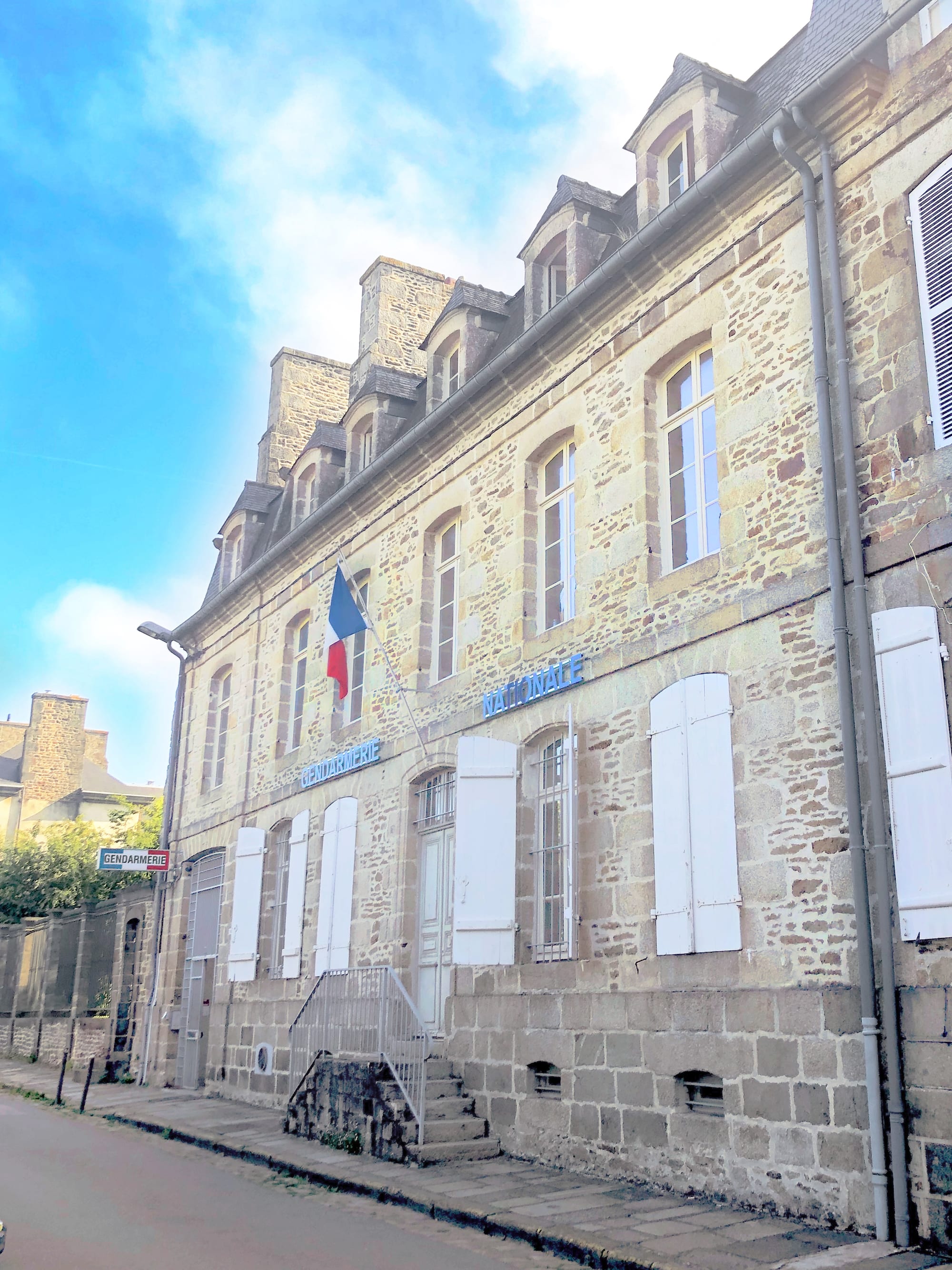
Contexto · la Gendarmería francesa, que recopiló los reportes de la oleada del 5-nov-1990
Gendarmerie-Nationale-Dinan-byRundvald.jpg · Wikimedia Commons · CC BY-SA 4.0 · abrir original
GEIPAN (CNES), expediente del caso «Rentrée atmosphérique 5 novembre 1990» (clase A), con las actas de la gendarmería
Expediente oficial francés de la oleada del 5 de noviembre de 1990, clasificado por el GEIPAN en la clase A (fenómeno identificado): la reentrada atmosférica de restos de un cohete. Reúne las actas de la gendarmería con los testimonios de esa noche. El GEIPAN es un servicio del CNES y sus documentos tienen derechos reservados, por eso va como enlace; el servidor limita las consultas seguidas.
GEIPAN · Centre national d'études spatiales (CNES) · ver fuente
La noche en cuestión
La noche del 5 de noviembre de 1990, hacia las 19:00, miles de personas en toda Francia (de la costa atlántica al noreste) vieron cruzar el cielo un objeto luminoso y silencioso. Los partes de gendarmería dan horas entre las 18:45 y las 19:30, con la gran mayoría en torno a las 19:00, y más temprano cuanto más al suroeste estaba el testigo. Hacia las 20:00 el servicio de seguridad del CNES en Toulouse ya recibía llamadas de numerosas brigadas. Según la síntesis que firmó Jean-Jacques Velasco, jefe del SEPRA, el servicio reunió 1.108 documentos: 233 actas de gendarmería, 860 testimonios de particulares y 5 formularios de la aviación civil o militar, además de unos diez relatos de pilotos. Las actas se concentran en una franja suroeste-noreste encabezada por el Bajo Rin, Loiret, Vendée, Seine-et-Marne y Corrèze, y son escasas en el este y el sureste, lo que el SEPRA relacionó con la nubosidad y con la distancia a la trayectoria.
Las descripciones convergían en una forma inquietante. La más frecuente era un inmenso triángulo delimitado por luces anaranjadas, con una bola blanca muy intensa detrás y una estela; muchos lo comparaban con un Boeing 747 y estimaban que pasaba a 100 o 150 metros. Todos coincidían en el silencio total, y la duración declarada iba de 30 segundos a tres minutos, con un pico en torno a un minuto. La recopilación de James Oberg incluye además relatos de interferencias en ordenadores y radios de automóvil. La mayoría de los pilotos en vuelo creyó ver «una escuadrilla en formación y con posquemadores». En los primeros días el caso desconcertó también a los expertos: el SEPRA anotó la «similitud turbadora» de los testimonios y su calidad, casi sin relatos fantasiosos; el astronauta del CNES Jean-Pierre Haigneré, testigo él mismo, les confirmó «la extrañeza de este fenómeno»; y un despacho de AFP lo atribuyó a un gran meteorito citando un «observatorio de Múnich» que resultó ser un club de aficionados. Algunos testigos dieron incluso la dirección opuesta a la real.
La explicación llegó por dos vías independientes. El martes 6 de noviembre, un particular que seguía satélites (identificado en la literatura como Pierre Neirinck) envió un fax indicando que se trataba de la reentrada del objeto 1990-094C, a 103 km de altura sobre el golfo de Vizcaya y a 83 km al salir por el este de Francia; el propio SEPRA reconoce que ese aficionado sabía de qué se trataba desde el lunes por la noche. El jueves 8 por la tarde llegó el télex que el SEPRA había pedido a la NASA: objeto 20925, 1990-094C, «Gorizon 21 platform», URSS, lanzado el 3 de noviembre, en descenso en su revolución 36 el 5 de noviembre a las 18:06 UT, a 49,0° N y 7,3° E, con una inclinación de 51,7°. Era la tercera etapa del cohete Protón que había puesto en órbita el Gorizont 21; el catálogo GCAT de Jonathan McDowell registra la misma etapa (Proton-K, 1990-094C) lanzada el 3 y reentrada el 5 de noviembre. El tren de fragmentos incandescentes, avanzando en formación a gran altura y a lo largo de casi mil kilómetros sobre Francia, fue reconstruido por la percepción de los testigos como un único objeto sólido: el «triángulo» era la estela fragmentada leída como los bordes de una nave.
El CNES comunicó la explicación a las agencias de noticias el 9 de noviembre. En su síntesis, Velasco lo describe como el caso más importante que el GEPAN o el SEPRA habían tenido que gestionar, por el número de testimonios y por la presión mediática: más de treinta solicitudes de entrevista e información atendidas y un centenar de artículos en ocho días. Dos testigos aportaron una foto y un vídeo, que el SEPRA peritó sobre el terreno y que, según su conclusión, muestran con claridad una reentrada atmosférica. El mismo documento atribuye a los medios un efecto amplificador, por haber sugerido un artefacto misterioso emparentado con la oleada belga. El GEIPAN clasifica hoy el caso como A, fenómeno identificado, con cientos de actas de gendarmería publicadas en su expediente. Velasco reafirmaría el diagnóstico en un libro de 1993 con el periodista Jean-Claude Bourret, y James Oberg lo usó como ejemplo de cómo una reentrada genera reportes masivos de «naves estructuradas»; en su presentación, Oberg atribuye el lanzamiento al Gorizont 23, mientras el télex de la NASA habla del Gorizont 21.
Por qué importa
Trans-en-Provence o Valensole son los casos franceses de trazas físicas; esta oleada es lo opuesto: un suceso de masas con causa identificada. Demuestra, con miles de testigos sinceros, que un evento de masas con forma de «triángulo gigante silencioso» puede surgir por completo de una sola reentrada más la reconstrucción perceptiva. Sin fraude de por medio, bastó física orbital conocida, leída mal a escala nacional, incluso por pilotos profesionales que describieron una escuadrilla.
El caso sirve para calibrar cuánto crédito conceder a los reportes multitudinarios de triángulos en otros casos (la oleada belga de 1989, las Luces de Phoenix) donde el número de testigos se invoca como prueba de anomalía. La lección de 1990 es que el conteo de testigos mide la visibilidad del estímulo. Mil personas pueden equivocarse a la vez, de buena fe, ante un objeto real pero prosaico.
También es un caso de éxito institucional, con un matiz que el propio SEPRA dejó por escrito. Un organismo estatal tuvo la explicación correcta en cuatro días y la hizo pública, el reverso de un encubrimiento. Pero su síntesis reconoce que la NASA tardó de martes a jueves en confirmar la reentrada, que un aficionado con una red de observadores lo sabía desde el lunes por la noche, y que eso revelaba la falta de medios propios de vigilancia espacial en Francia y en Europa.
Queda un residuo delgado: algunos testigos dan la dirección opuesta, horas fuera de la ventana de la reentrada o distancias de cien metros, que el SEPRA atribuye a las condiciones meteorológicas y a errores de apreciación sin marco de referencia; la dispersión horaria la considera coherente con la trayectoria, y los relatos de dirección opuesta los consigna sin explicarlos. Algunos testigos citados por Oberg describen cambios de velocidad o un ascenso vertical, y el ufólogo Jean Sider la presentó en 1992 como «la mayor oleada ovni en Francia desde el otoño de 1954», cuando, según Oberg, la explicación del satélite era rechazada con vehemencia. Ese residuo no basta para sostener una hipótesis exótica. Lo que el caso aporta es su documentación y su escala.
Lo que queda en papel
Evidencia documentada
- Síntesis del SEPRA (J.-J. Velasco): 1.108 documentos, entre ellos 233 actas de gendarmería, 860 testimonios de particulares y 5 formularios de aviación
- Horas declaradas entre las 18:45 y las 19:30, la mayoría hacia las 19:00; duración de 30 segundos a 3 minutos; silencio total en todos los relatos
- Trayectoria rectilínea suroeste→noreste, coherente con una reentrada inclinada 51,7°
- Fax de un rastreador aficionado (6 nov): objeto 1990-094C, a 103 km sobre el golfo de Vizcaya y 83 km sobre el este de Francia
- Télex de la NASA (8 nov): 1990-094C, plataforma Gorizont 21, reentrada el 5 nov a las 18:06 UT a 49,0° N 7,3° E
Ver 3 evidencias más
- Catálogo GCAT: etapa 3 de Proton-K 1990-094C, lanzada el 3 y reentrada el 5 de noviembre de 1990
- Comunicado del CNES a las agencias el 9 de noviembre de 1990; el GEIPAN lo clasifica hoy como caso A
- Una foto y un vídeo peritados por el SEPRA, que muestran una reentrada atmosférica
Fuentes
- GEIPAN (CNES) — «Rentrée atmosphérique 5 novembre 1990», expediente del caso (clase A) con las actas de gendarmería — Expediente oficial; el servidor limita el número de peticiones seguidas.
- Velasco, J.-J. (SEPRA) — «Un cas remarquable: la rentrée atmosphérique du 5 novembre 1990» — Síntesis de época del SEPRA, con el télex de la NASA y el recuento de testimonios.
- McDowell, J. — GCAT, catálogo general de objetos lanzados (satcat.tsv), entrada 1990-094C — Fechas de lanzamiento y reentrada de la etapa Proton-K.
- Oberg, James — 'The November 5, 1990 French UFO wave' (SEESAT / satobs.org) — Presentación con dibujos de testigos (secundaria).
- Velasco, J.-J. & Bourret, J.-C. — 'Ovnis: la science avance' (Robert Laffont, 1993)
- Gross, Patrick — ALSACAT, expedientes del 5 nov 1990 (Colmar) — Catálogo de ufología (secundario).
Casos relacionados