1968·Bosque de Hoia-Baciu, cerca de Cluj
Rumanía.Cluj · las fotografías de Emil Barnea
El 18 de agosto de 1968, hacia el mediodía, el técnico y ex oficial del ejército rumano Emil Barnea fotografió sobre el bosque de Baciu (hoy Hoia-Baciu), cerca de Cluj, un objeto redondo de aspecto metálico que su compañera Zamfira Matea había visto primero. Las versiones difieren: en 1968 Barnea habló de tres fotos y de que «todo el tiempo» creyó que era un globo; el relato posterior de Ion Hobana habla de cuatro fotos y cuatro testigos. Un laboratorio de Cluj declaró auténtico el negativo; el director del observatorio lo atribuyó a un fraude o a un globo meteorológico, y ese domingo se lanzó uno a 4 o 5 km.
Tier A · Aceptable¿Qué significan? →
Evidencia institucional: varios testigos independientes identificados, o documentación oficial de la época, sin un registro instrumental que los corrobore.
Qué fue
57%causa natural o humana
Explicación más probable: globo
Ver el reparto entre las seis explicaciones
Causa natural o humana
Sin causa conocida
Imagen de contexto (no es un documento del caso)
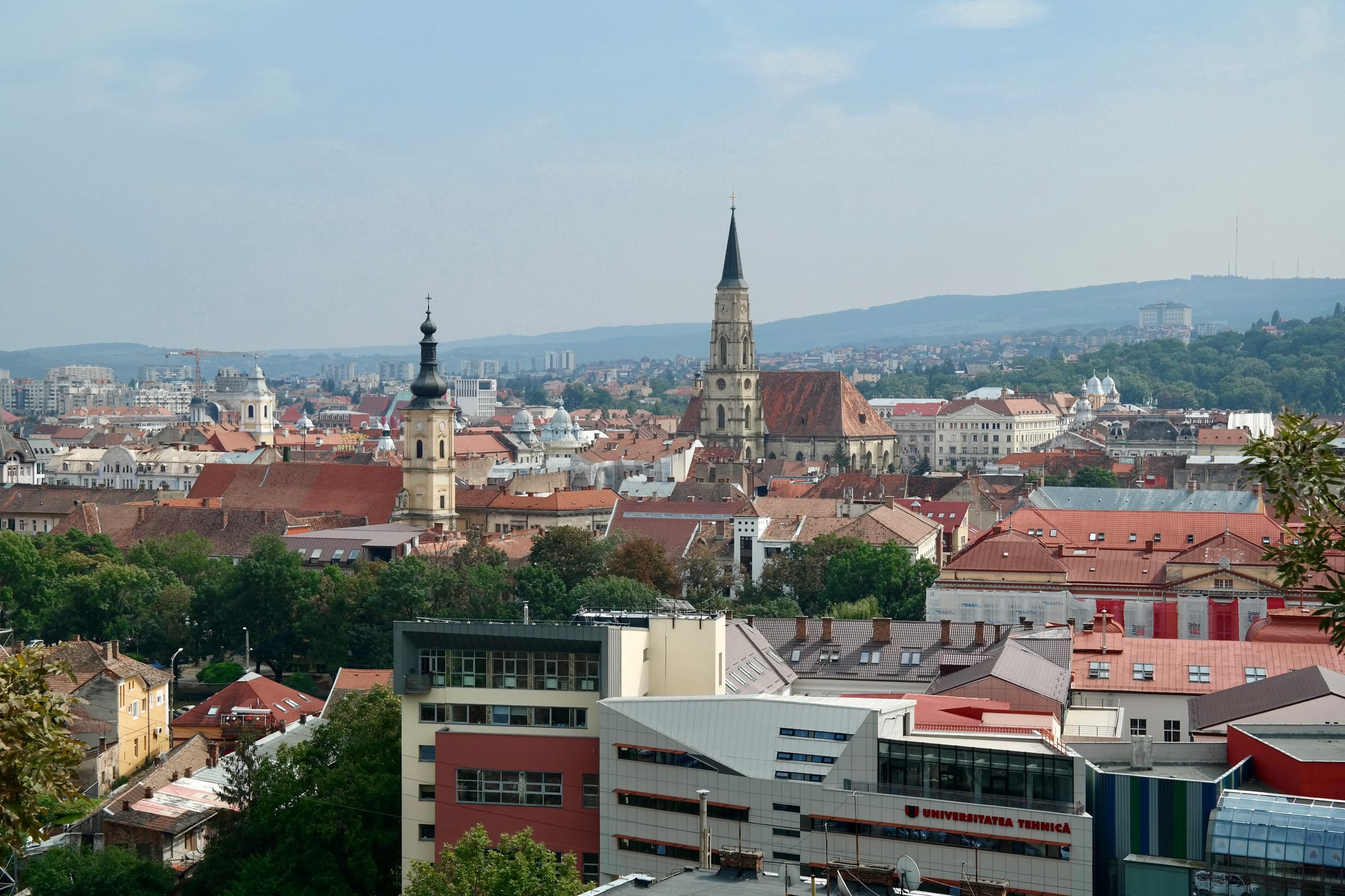
Contexto · Cluj (Rumanía), donde Emil Barnea tomó las fotografías
Cluj-Napoca as seen from Cetățuia Park.jpg · Wikimedia Commons · CC BY-SA 4.0 · abrir original
La noche en cuestión
El 18 de agosto de 1968 era un domingo de sol y calor, con unos 36 °C al sol según la investigación posterior. Emil Barnea, técnico de construcción de 45 años que había sido oficial del ejército y a quien sus conocidos describían como una persona íntegra, salió por la mañana de Cluj con su compañera Zamfira Matea, de 34, hacia el bosque de Baciu (hoy conocido como Hoia-Baciu), en las colinas al oeste de la ciudad, en la Transilvania rumana. Según el relato que publicaron Ion Hobana y Julien Weverbergh a partir de la investigación del ingeniero Florin Gheorghiță, iban con otras dos personas, un hombre y una mujer cuya identidad no se divulgó, y hacia el mediodía se detuvieron en un claro lejos de la carretera Cluj-Bucarest. Barnea buscaba leña para el fuego cuando Matea lo llamó porque veía «algo»: al volver, sobre el bosque había un objeto grande y redondo, de aspecto metálico, que brillaba plateado al sol y no hacía ruido.
Barnea corrió a su mochila por la cámara, una FED 2 cargada con película ORWO de 17 DIN. En la versión de Gheorghiță y Hobana, el objeto avanzó con lentitud, cambió de dirección y de luminosidad, y luego aceleró de golpe, se elevó y desapareció; Barnea tomó cuatro fotos, la última con el objeto ya reducido a un punto, y eran las 13:23. Las declaraciones del propio Barnea a la prensa en septiembre de 1968 no encajan del todo con ese relato: dijo que estaba con Matea, que en el claro había, a cierta distancia, un grupo de excursionistas con los que no habló, que tomó «tres fotografías» y que «todo el tiempo» estuvo convencido de que era un globo; solo al revelar la película, unas dos semanas después, pensó que era otra cosa. En esa misma entrevista, sin embargo, dijo que el objeto, de brillo metálico y silencioso, «no se parecía a ninguno de los cuerpos que he visto tantas veces, de los globos a los turborreactores», y que «desapareció de golpe, en vertical, en menos de un minuto», un final que no casaba con el de un globo. La hora que recogen esas crónicas de 1968 tampoco coincide y varía entre las 13:15 y las 15:50. Según Gheorghiță, en Cluj no circulaban entonces libros sobre ovnis, y ni Barnea ni Matea tenían un marco previo para interpretar lo que vieron.
Barnea mostró las fotos a Gheorghiță, que las estudió, reconstruyó la trayectoria y estimó la altura y el diámetro del objeto, y la agencia oficial Agerpres difundió el caso el 18 de septiembre de 1968; su nota hablaba de un objeto redondo de unos 10 m que emitía luz blanca. Dos reporteros gráficos, un especialista de Agerpres y un laboratorio oficial de Cluj declararon auténtico el negativo, sin retoques. Las fotos mostraban además sombras difíciles de conciliar con la posición del sol; a petición de Gheorghiță, dos profesores del Instituto de Artes Plásticas de Cluj, especialistas en iluminación natural, concluyeron por separado que el objeto parecía tener luz propia. La edición inglesa del libro de Hobana atribuye ese examen, con maquetas, a técnicos de la universidad, pero el original rumano no menciona ni la universidad ni maquetas, y no se conoce ningún informe escrito; el belga G. Delcorps llegó después a la misma conclusión con las dos primeras fotos. En sentido contrario, el director del observatorio de Cluj dijo, sin haber visto los negativos, que se trataba de un fraude o de un globo meteorológico. Ese domingo se lanzó un globo meteorológico desde la colina Cetățuia, a 4 o 5 km en línea recta del lugar; Gheorghiță sostuvo que el personal del centro meteorológico lo siguió por radar hasta su estallido en las capas altas y que no pudo pasar tan bajo sobre el bosque. Hobana y Weverbergh, que se entrevistaron con los testigos en 1968 y 1970, subrayaron su credibilidad y la falta de motivación. Apenas tres días después, el 20-21 de agosto de 1968, las tropas del Pacto de Varsovia invadieron la vecina Checoslovaquia para aplastar la Primavera de Praga, con toda la región en máxima actividad militar.
Por qué importa
Cluj 1968 reúne tres elementos: testigos sin marco previo ni motivación aparente, en un país donde la literatura ovni no circulaba; un registro material de al menos tres negativos que la prensa, la agencia oficial y un laboratorio declararon sin retocar; y un examen de la iluminación que concluyó que el objeto parecía tener luz propia y no solo reflejar el sol. Conviene medir el alcance de ese examen: fue la opinión de dos profesores de artes plásticas y de un analista belga, no un estudio instrumental publicado, y las mismas sombras que sustentan la tesis de la luz propia son las que la fuente describe como difíciles de conciliar con la posición del sol.
No hay radar ni corroboración militar, y toda foto de un disco admite candidatos mundanos, desde un objeto cercano mal interpretado hasta un montaje. Además, el testimonio más temprano no coincide con el que se hizo canónico: en 1968 Barnea habló de tres fotos, de un grupo de excursionistas ajeno y de un globo, y el relato posterior, de cuatro fotos y cuatro testigos. Ese mismo domingo había además un globo meteorológico en el aire a pocos kilómetros, aunque Gheorghiță argumentó que no pudo ser el objeto. Nada de eso prueba un fraude ni una confusión. La fecha, tres días antes de que el Pacto de Varsovia invadiera Checoslovaquia, coloca la observación en el corazón de la mayor movilización militar europea de la Guerra Fría.
Lo que queda en papel
Evidencia documentada
- Fotografías de Emil Barnea del 18 de agosto de 1968 de un objeto discoidal metálico sobre el bosque de Baciu: tres según su entrevista de 1968, cuatro según Hobana, la última con el objeto reducido a un punto
- Testigos: Barnea y Zamfira Matea según la entrevista de 1968; cuatro excursionistas según el relato de Gheorghiță y Hobana, dos de los cuales pidieron reserva
- Declaración de Barnea en 1968: «Am fost tot timpul convins că este un balon» (estuvo convencido todo el tiempo de que era un globo), idea que abandonó al revelar la película; en la misma entrevista dijo que «Nu semăna cu niciunul dintre corpurile» que había visto, «de la baloane la turboreactoare» (no se parecía a nada de lo que había visto, de los globos a los turborreactores), y que desapareció en vertical en menos de un minuto
- Objeto que avanzaba, cambiaba de dirección y de brillo, y luego aceleraba, se elevaba y desaparecía
- Negativo declarado auténtico y sin retoques por dos reporteros gráficos, un especialista de la agencia Agerpres y un laboratorio oficial de Cluj; Dos profesores del Instituto de Artes Plásticas de Cluj, y después el belga G. Delcorps, opinaron que el objeto parecía tener luz propia; no se conoce un informe escrito
Ver 3 evidencias más
- Contraevidencia: el director del observatorio de Cluj lo atribuyó a un fraude o a un globo meteorológico; ese domingo se lanzó un globo desde la colina Cetățuia, a 4 o 5 km, que según Gheorghiță fue seguido por radar hasta estallar
- Investigación del ingeniero Florin Gheorghiță en 1968, completada por Ion Hobana y Julien Weverbergh tras entrevistar a los testigos en 1968 y 1970
- Contexto: la foto se tomó tres días antes de la invasión del Pacto de Varsovia a Checoslovaquia (20-21 de agosto de 1968)
Fuentes
- Ion Hobana y Julien Weverbergh — UFO's from Behind the Iron Curtain (1974), cap. 6, «Emil Barnea from Cluj», pp. 93-107 — Relato de los investigadores, basado en el informe de Florin Gheorghiță y en sus entrevistas con los testigos en 1968 y 1970: cuatro testigos, cuatro fotos, las 13:23, examen de los negativos y opinión del director del observatorio. Reproduce en facsímil una entrevista de prensa de 1968.
- Ion Hobana y Julien Weverbergh — OZN, o sfidare pentru rațiunea umană (edición rumana original) — Atribuye el examen de la iluminación a dos profesores del Instituto de Artes Plásticas de Cluj, no a la universidad, y cita la carta de Gheorghiță sobre el globo meteorológico lanzado desde la colina Cetățuia.
- Adevărul (2026) — «România comunistă, cuprinsă de febra OZN-urilor» (fuente secundaria) — Fuente secundaria que cita la nota de Agerpres del 18 de septiembre de 1968 y la entrevista de Barnea de ese año: tres fotos, un grupo de excursionistas ajeno y la frase de que creyó todo el tiempo que era un globo.
Casos relacionados
mismo objeto · misma época
Montánchez · el objeto que ningún avión logró alcanzar
1967 · Tier S
mismo objeto · misma época
Westall Australia
1966 · Tier B
mismo objeto · misma época
Burgos 1970 · el objeto inmóvil que fotografió la avioneta de la FOAT
1970 · Tier A
mismo objeto · misma época
Falconbridge · radar de NORAD y la oleada del Northern Tier
1975 · Tier S