2004·Espacio aéreo de Lisboa (Fuerza Aérea Portuguesa)
Portugal.Lisboa · blanco de radar de la Fuerza Aérea
La noche del martes 1 de junio de 2004, ante una luz blanca con humo vista en buena parte de Portugal, la Fuerza Aérea Portuguesa reforzó la vigilancia radar y tuvo F-16 listos para despegar. Su portavoz, el coronel Carlos Barbosa, confirmó que el radar de defensa registró un 'blanco' durante dos o tres minutos que no era un avión identificado como tal, y las autoridades no supieron decir qué era.
Seguir leyendo el resumen
Esa misma noche, a las 23:01 hora de Lisboa, Francia ensayó un misil M45 desde el golfo de Vizcaya: la luz con humo encaja con un lanzamiento; el blanco de radar, que según datos sin fuente citados por Langbroek volaba a baja altura, no.
Tier A · Aceptable¿Qué significan? →
Evidencia institucional: varios testigos independientes identificados, o documentación oficial de la época, sin un registro instrumental que los corrobore.
Qué fue
76%causa natural o humana
Explicación más probable: cohete o misil
Ver el reparto entre las seis explicaciones
Causa natural o humana
Sin causa conocida
Leer el porqué completo
La clase cubre la luz con humo, no el blanco de radar a 2-12 km de altura y unos 800 km/h, que Marco Langbroek atribuyó a «something of an aircraft of some sort». La ESA y Fernando Monteiro descartaron la reentrada y Monteiro el meteoro, aunque Carlos Oliveira atribuyó esas imágenes a un bólido.Documentos primarios
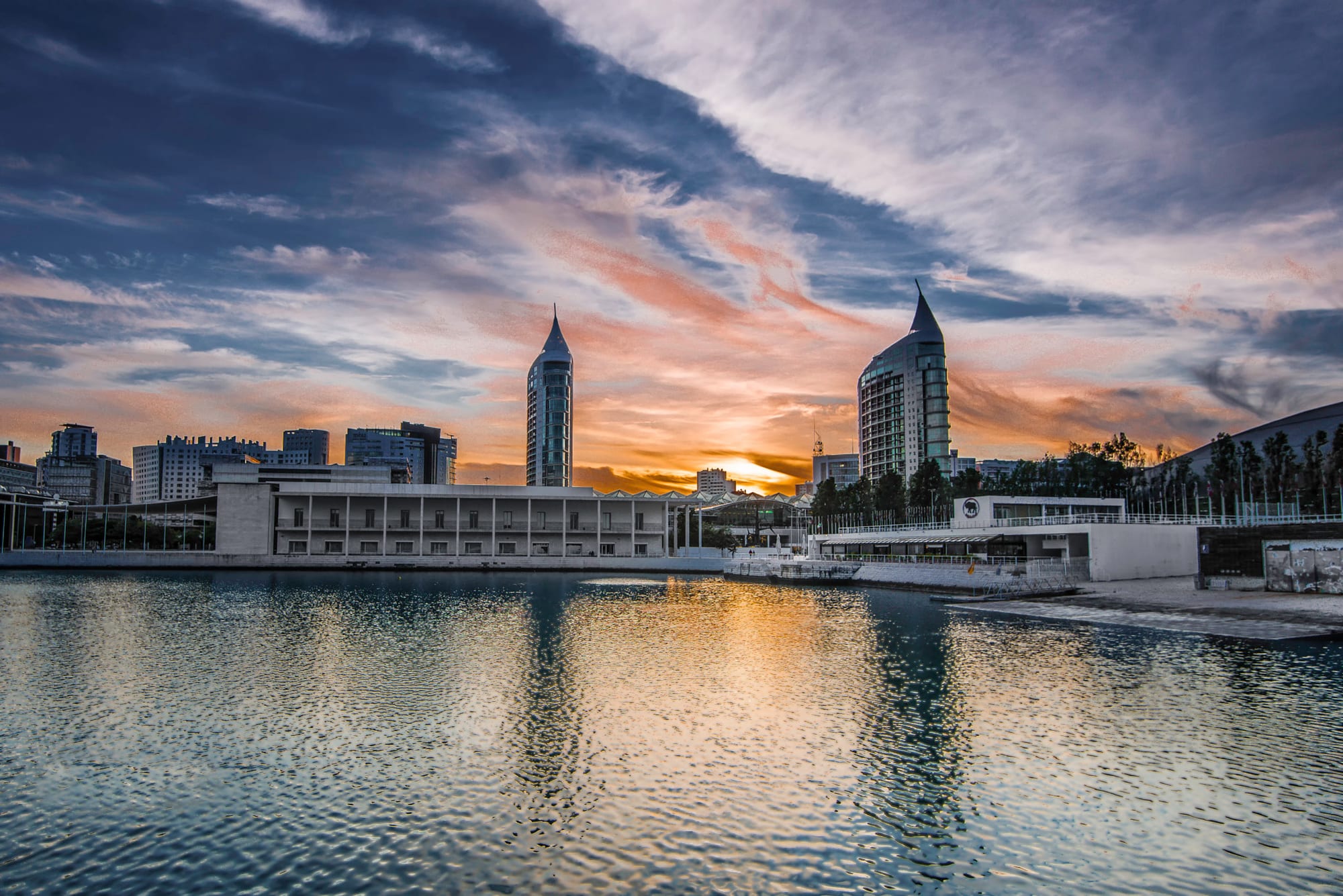
Contexto · Lisboa (Portugal), cuyo control aéreo registró el blanco de radar
Lisbon Skyline (217154099).jpeg · Wikimedia Commons · CC BY 3.0 · abrir original
Despacho de AFP «Air force on alert about UFO» (Lisboa, 3 de junio de 2004), publicado por News24
Despacho de agencia de dos días después; la Fuerza Aérea Portuguesa no publicó ningún documento propio. Recoge que la vigilancia radar militar se reforzó y que los F-16 estaban listos para despegar (según el Correio da Manhã), que el coronel Carlos Barbosa confirmó a Lusa que los radares militares detectaron durante dos o tres minutos «un blanco… que no se identificó como un avión», y que la NAV, a través de Paulo Lagarto, dijo que la torre de Oporto detectó un objeto visto 25 minutos antes en Montijo y Beja. Cita también las explicaciones descartadas y la del satélite Iridium. Prensa con derechos vigentes: se enlaza.
Agence France-Presse, vía News24 · ver fuente
La noche en cuestión
La noche del martes 1 de junio de 2004, personas de norte a sur de Portugal vieron una luz grande, blanca e intensa, silenciosa y con humo; el Servicio Nacional de Bomberos y Protección Civil recibió unas veinte llamadas, según la radio TSF. La defensa aérea reforzó la vigilancia radar y, según el Correio da Manhã citado por la agencia AFP, los F-16 quedaron listos para despegar. El episodio trascendió porque la propia Fuerza Aérea lo confirmó: su portavoz, el coronel Carlos Barbosa, dijo a la TSF que los radares de defensa habían registrado «un blanco» durante dos o tres minutos que «no era ningún avión identificado como tal», que el mando operacional había redactado informes que «serán tratados por la Fuerza Aérea en términos militares» y que un radar no puede detectar una simple luz, porque necesita una superficie con masa que refleje la señal. Las autoridades no supieron decir qué era. El semanario Portugal Resident, que lo contó el 10 de junio, situó el episodio un miércoles y añadió que todos coincidían en que no era un avión; la TSF del 2 de junio y el despacho de la AFP del 3 lo fechan el martes por la noche.
Un rasgo que refuerza el caso es la convergencia de observaciones más allá del radar de defensa. Según los reportes de prensa, el fenómeno (descrito como una luz blanca, intensa y silenciosa rodeada de una estela o chorro de humo) fue advertido también por controladores aéreos de Beja y de Montijo y por bomberos destacados en el aeropuerto de Lisboa. Paulo Lagarto, de la empresa gestora del espacio aéreo portugués, declaró: «At 11.44pm on Wednesday, the control tower at Porto detected an ascending object in the sky, a sighting that 25 minutes earlier had been reported in Montijo and in Beja as an unidentified object». Es decir, hubo observaciones desde varios puntos, además del retorno instrumental, lo que va más allá de un artefacto de un único radar. Marco Langbroek, de la Sociedad Neerlandesa de Meteoros, resumió el 7 de junio en la lista de observadores de satélites SeeSat-L, remitiendo a debates en listas de meteoros, que las detecciones de radar daban altitudes de entre 2.100 y 12.100 metros y velocidades cercanas a 800 km/h, con un objeto que entró por la costa sur desde la frontera con España, giró hacia Lisboa y siguió hacia el norte junto a la costa, y que los avistamientos del sur y del norte de Portugal estaban separados por unos 20 minutos. Langbroek concluyó que «nada» de aquello tenía relación con satélites, aunque admitió que la imagen de vídeo «se parece un poco» a la combustión de un satélite.
El encuadre, aun así, es deliberadamente acotado. Lo documentado es la confirmación institucional de un retorno de radar, los avistamientos concurrentes desde tierra y la respuesta operativa (F-16 en alerta); no hubo intercepción consumada, registro de sensor de a bordo ni informe técnico público posterior. Portugal, a diferencia de Francia o España, no tiene un programa estatal de investigación de UAP ni archivos desclasificados, por lo que el caso vive de la declaración oficial a la prensa más que de un expediente formal con peritaje.
La descripción (luz blanca intensa, silenciosa, con humo) es compatible con varias causas convencionales, y la prensa de la época barajó casi todas. El astrónomo José Matos atribuyó el fenómeno al destello de un satélite Iridium «hacia las 11:30 de la noche». Clive Jackson, director del Observatorio Astronómico de Tavira, se inclinó por la estela luminosa de un meteoro grande y, como alternativa, por chatarra espacial en reentrada. El geólogo Fernando Monteiro descartó el meteoro porque habría sido mucho más rápido y ruidoso, y, tras consultar datos del Mando de Defensa Aeroespacial de EE.UU., también la caída de un satélite o de sus fragmentos; según la AFP, la Agencia Espacial Europea dijo que no era un satélite en caída y el servicio meteorológico portugués no halló explicación meteorológica. Un diario extremeño la atribuyó al paso de la nave Progress M1-11, que, según las órbitas que publicó el observador gaditano Oscar Rodríguez, estaba entonces al sudeste de Sídney. Rodríguez, según le contó un amigo, situó la observación «hacia las 22:00 GMT» en el norte de Portugal y en varios puntos de España, y Ed Cannon, otro observador de satélites, vio en las dos fotos difundidas por la televisión «una combustión o una purga del combustible sobrante fuera de la atmósfera», con la forma de trompeta que tiene esa pluma. El catálogo GCAT de Jonathan McDowell registra justo entonces un ensayo del misil balístico francés M45, lanzado desde un submarino en el golfo de Vizcaya el 1 de junio de 2004 a las 22:01 UTC (23:01 hora de Lisboa), con un apogeo de unos 800 km; el astrónomo Carlos Oliveira, del blog AstroPT, sostuvo en 2011 que esa noche se vieron dos cosas, un meteoro en el vídeo de televisión y el lanzamiento de un misil. Un lanzamiento explica la luz con humo vista a la vez desde el norte y el sur del país y desde España, pero no el blanco de radar a entre 2 y 12 km de altura, ni las horas de NAV (23:19 y 23:44, entre 18 y 43 minutos después del lanzamiento). Un testigo, Luís Jorge Carmona Pires, que conducía por la A23 entre Torres Novas y Castelo Branco, contó que al principio el objeto le pareció un avión; al descender lo rodeaba humo blanco y emitía un resplandor, por lo que llamó al 112 pensando en un avión en apuros, y unos cinco minutos después, sin hacer ruido, empezó a subir con una trayectoria pronunciada y desapareció. Jackson añadió que fenómenos así se ven más o menos una vez por semana y que esa noche, cálida y despejada, había más gente mirando el cielo. Es un dato institucional: una fuerza aérea admitiendo, por voz de su portavoz, un blanco de radar sin identificar, avistamientos concurrentes y la consiguiente alerta de cazas.
Por qué importa
Su valor es la confirmación oficial: no un rumor, sino el portavoz de la Fuerza Aérea reconociendo un blanco de radar inexplicado, avistamientos concurrentes desde tierra (controladores de Beja y Montijo, bomberos del aeropuerto) y una alerta de F-16. Documenta que incluso un país sin programa de investigación ni archivos desclasificados deja, ocasionalmente, un reconocimiento institucional en el registro público.
El caso es útil además como ejemplo del techo evidencial al que llega un episodio sin seguimiento institucional. La combinación de radar más múltiples testigos visuales lo eleva por encima de un reporte aislado, pero la ausencia de un programa que recogiera datos primarios, hiciera el peritaje y publicara una conclusión deja el episodio congelado en 'inexplicado' por omisión, no por anomalía demostrada. Esa diferencia (entre 'no se investigó hasta el final' y 'se investigó y resultó inexplicable') es central para calibrar el caso: confirmación institucional real, cierre técnico ausente. El caso tiene dos capas. La luz blanca con humo, vista a la vez en Portugal y en España, tiene una causa probable: el catálogo GCAT registra un ensayo del misil M45 desde el golfo de Vizcaya esa misma noche, a la hora que dio el corresponsal de Rodríguez para el norte de Portugal y España, y un observador de satélites reconoció en las fotos la pluma de una combustión fuera de la atmósfera. La reentrada la descartaron la Agencia Espacial Europea y el geólogo que consultó al mando aeroespacial estadounidense, y este último también el meteoro, aunque el astrónomo Carlos Oliveira atribuyó a un bólido las imágenes de televisión. El blanco de radar, a baja altura y a velocidad de avión, no encaja con un misil de 800 km de apogeo, y sin el dato primario de radar esa capa sigue sin explicación.
Lo que queda en papel
Evidencia documentada
- La Fuerza Aérea Portuguesa reforzó la vigilancia radar y tuvo F-16 listos para despegar por una luz no identificada vista en buena parte del país la noche del martes 1 de junio de 2004.
- El portavoz, coronel Carlos Barbosa, confirmó que el radar de defensa registró un 'blanco' durante 2-3 minutos.
- Avistamientos concurrentes desde tierra: controladores de Beja y Montijo y bomberos del aeropuerto de Lisboa; luz blanca intensa, silenciosa, con estela de humo.
- Sin explicación oficial ni informe técnico público. Propuestas: Iridium (Matos), meteoro o chatarra espacial (Jackson), ambas descartadas por Monteiro, que consultó al mando aeroespacial de EE.UU.; la ESA negó la caída de un satélite. GCAT registra un ensayo del misil M45 desde el golfo de Vizcaya el 1 jun 2004 a las 22:01 UTC, la hora a la que se vio en el norte de Portugal y en España.
- Datos de radar según Langbroek (SeeSat-L, 7 jun 2004): altitudes de 2.100 a 12.100 m y unos 800 km/h, recorrido desde la costa sur hacia Lisboa y luego al norte; no encajan con el misil.
- Portugal no tiene programa estatal de UAP ni archivos desclasificados: el caso vive de la declaración oficial.
Fuentes
- Portugal Resident — 'Air Force alert for UFO' — Crónica de la época (10 jun 2004) con las declaraciones del coronel Barbosa, de Paulo Lagarto y de los testigos y expertos.
- Jonathan McDowell — General Catalog of Artificial Space Objects (GCAT), lista de lanzamientos: 2004-S20, MSBS M45 — Ensayo de misil M45 «ME-34 Teutates» desde la zona de lanzamiento de submarinos del golfo de Vizcaya, 1 jun 2004, 22:01 UTC, apogeo ~800 km.
- TSF — «Especialistas apontam várias explicações» (2 jun 2004), original en portugués — Crónica de la época: declaraciones del coronel Barbosa, de José Matos (Iridium) y de Fernando Monteiro, y la fecha del martes por la noche.
- News24 (AFP) — «Air force on alert about UFO» (3 jun 2004) — Despacho de agencia de la época: F-16 listos según el Correio da Manhã, declaraciones de Barbosa y de NAV, y las negativas de la ESA y del servicio meteorológico.
- SeeSat-L — Oscar A. Rodríguez, «Observation in Portugal» (7 jun 2004) — Sitúa la observación hacia las 22:00 GMT en el norte de Portugal y en España y descarta la Progress M1-11.
- SeeSat-L — Marco Langbroek, «Re: Observation in Portugal» (7 jun 2004) — Resume datos de radar (2.100-12.100 m, ~800 km/h) sin citar su origen, descarta una reentrada y piensa en una aeronave.
- SeeSat-L — Ed Cannon, «Re: Observation in Portugal» (7 jun 2004) — Ve en las fotos difundidas por la televisión la pluma de una combustión o purga de combustible fuera de la atmósfera.
- AstroPT — Carlos Oliveira, «OVNI em Portugal» (28 jul 2011), con comentarios — Fuente secundaria: un meteoro en el vídeo de televisión y, aparte, el lanzamiento de un misil.
Casos relacionados
mismo objeto · misma época
Espiral noruega
2009 · Tier A
mismo objeto · misma época
Tajik Air · OVNI sobre Kazajistán (PURSUE)
1994 · Tier B
mismo objeto · misma época
La Serena · el objeto de dos colas que vieron cinco tripulaciones a fines de 2014
2014 · Tier A
mismo objeto
Copiapó · las luces al sur que vieron tres tripulaciones la noche del Cygnus NG-18
2022 · Tier A