Caso Nº 182·Reino Unido
2000·Defence Intelligence Staff · Ministry of Defence, Londres
Reino Unido.Project Condign · estudio UAP del MoD británico
Estudio secreto del Defence Intelligence Staff del Ministerio de Defensa británico ('Unidentified Aerial Phenomena in the UK Air Defence Region'), completado en 2000 y desclasificado en 2006 vía FOIA. Concluyó que los UAP son reales pero sin evidencia de origen no humano ni intención hostil — y atribuyó muchos a plasmas atmosféricos poco comprendidos ('buoyant plasmas').
Año
2000
Tier
A
Probabilidad
60%
Categoría
Documento
Evidencia institucional: múltiples testigos verificables o documentación oficial. Tres ejes independientes: el «tier» mide la fuerza de la evidencia; la «probabilidad» estima cuán genuinamente inexplicado está el caso —un fenómeno natural puede seguir sin explicación, así que no equivale a «no-prosaico»—; y la partición de explicaciones (abajo) dice qué fue más plausiblemente. Por eso un caso bien documentado puede tener como causa más plausible un posible fraude, y un Tier B no es, por eso, un fraude.
Documentos primarios · visor
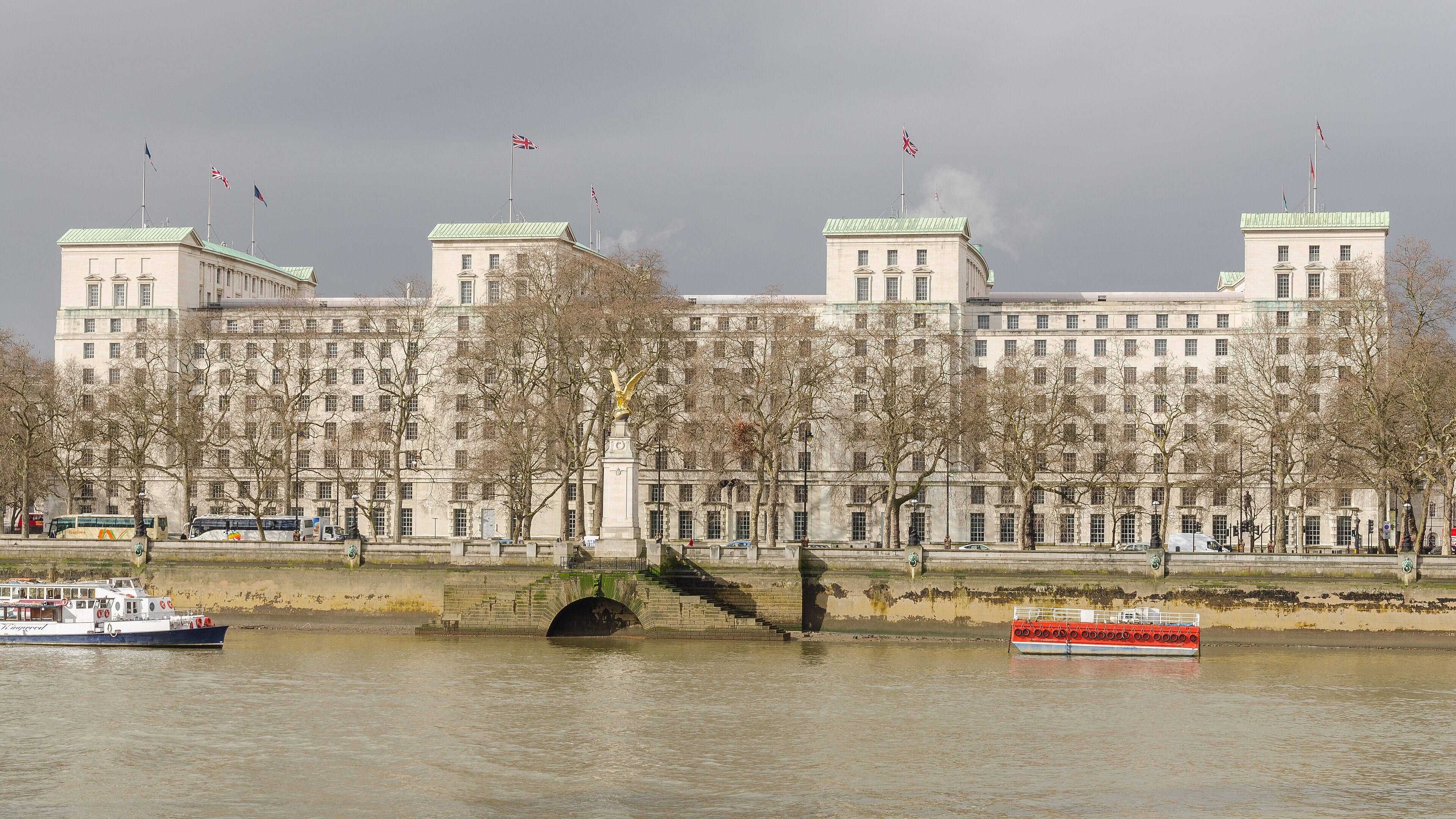
Contexto · el Ministerio de Defensa británico en Londres, donde se produjo el informe Condign
Ministry of Defence Main Building Mars 2014.jpg · Wikimedia Commons · CC BY-SA 3.0 · abrir original
Parte 01
El expediente en cuestión
Project Condign fue un estudio de inteligencia encargado por el Defence Intelligence Staff (DIS) del Ministerio de Defensa del Reino Unido y desarrollado entre 1997 y 2000, completado en un informe de unas 460 páginas hacia diciembre de 2000 bajo el título 'Unidentified Aerial Phenomena in the UK Air Defence Region'. El trabajo se basó en una revisión retrospectiva de varias décadas de reportes acumulados por la rama de inteligencia de defensa conocida como DI55, que durante la Guerra Fría había sido el punto de recolección de los avistamientos relevantes para la defensa aérea británica. El informe permaneció clasificado hasta mayo de 2006, cuando fue liberado vía Freedom of Information Act a los investigadores David Clarke y Gary Anthony y publicado por el MoD en su sitio de transparencia. Su autor permaneció anónimo.
“ para el residuo inexplicado de avistamientos, y documentó algo políticamente revelador: un minuto interno marcado ”
El informe aceptó que los UAP son fenómenos físicos reales que aparecen de manera recurrente en el espacio aéreo británico, pero concluyó que no había evidencia de que representaran una amenaza hostil deliberada ni un origen extraterrestre. Su hipótesis central atribuyó una porción significativa de los casos a fenómenos de plasma atmosférico poco comprendidos —masas de gas cargado y flotante ('buoyant charged plasmas'), comparables a una forma de relámpago en bola pero mucho mayor y más duradera—. El autor especuló incluso con un posible mecanismo de origen: la reentrada de meteoros que no se consumirían del todo ni impactarían como meteoritos, sino que formarían estos plasmas flotantes. Y sugirió que los campos electromagnéticos asociados a tales formaciones podrían inducir efectos perceptuales en los observadores —desde luces que parecen seguir al testigo hasta sensaciones de 'tiempo perdido'—, una conclusión que la prensa de 2006 resumió, con cierto sensacionalismo, como que los UAP 'pueden afectar al cerebro humano'.
La conclusión de plasma es discutida. David Clarke, uno de los receptores del informe, señaló que 'los plasmas no son una explicación científica más válida que los extraterrestres' para el residuo inexplicado de avistamientos, y documentó algo políticamente revelador: un minuto interno marcado 'UK Restricted', fechado el 16 de abril de 1998, en el que el propio autor anticipaba su recomendación de que DI55 dejara de involucrarse en el monitoreo de UAP. Para Clarke, el estudio funcionó en parte como el mecanismo burocrático para cerrar la actividad de inteligencia sobre el tema, no solo como una investigación neutra de su naturaleza. El expediente entra al corpus por su solidez documental (informe oficial del MoD, desclasificado y auditable) y como el ancla institucional británica de la hipótesis de fenómenos naturales, no por la fuerza de su conclusión.
Parte 02
Por qué este caso movió la aguja
Es uno de los pocos estudios oficiales de un ministerio de defensa occidental que abordó los UAP de forma sistemática durante años y terminó sus conclusiones por escrito — y el ancla institucional británica de la hipótesis natural. Su valor es doble. Por un lado confirma que el MoD trató el fenómeno como real y digno de un estudio clasificado de cientos de páginas, sostenido entre 1997 y 2000: si el aparato de inteligencia lo hubiera considerado trivial, no habría dedicado ese esfuerzo. Por otro, ofrece la explicación 'plasma atmosférico' que el corpus pondera en la hipótesis de fenómenos naturales, dándole un respaldo institucional que pocas hipótesis escépticas tienen.
Pero su límite es el mismo que el de esa hipótesis. El plasma flota, brilla e interactúa electromagnéticamente con su entorno, pero no maniobra de forma estructurada ni acelera con propósito; por eso la atribución no cubre los casos con control intencional aparente, que son justamente los que el corpus pondera más alto. A esto se suma la lectura de David Clarke: el informe pudo servir tanto para explicar el fenómeno como para justificar el repliegue burocrático de DI55, lo que introduce una sombra de conflicto de interés sobre su conclusión. Por eso el caso es Tier A por la solidez documental (informe MoD desclasificado, fechable y auditable), no por la fuerza de una conclusión que sigue siendo contestada dentro y fuera de la propia comunidad de inteligencia.
Parte 03
Lo que queda en papel
Evidencia documentada
- Informe del Defence Intelligence Staff (MoD) 'Unidentified Aerial Phenomena in the UK Air Defence Region', completado ~dic 2000
- Desclasificado en mayo de 2006 vía FOIA a David Clarke y Gary Anthony
- Conclusión: UAP reales, sin evidencia de hostilidad ni origen no humano
- Atribución central a plasmas atmosféricos flotantes ('buoyant charged plasmas') y posibles efectos perceptuales por campos EM
- Autor anónimo; ~460 páginas
Fuentes
- The National Archives (UK) — Project Condign / DIS UAP report (FOIA 2006) — Liberación oficial del informe. · Original (enlace caído): https://www.nationalarchives.gov.uk/ufos/
- Clarke, D. — 'The UFO Files' (The National Archives) — análisis del Project Condign
Patrones que exhibe (2)
Ubicación
Defence Intelligence Staff · Ministry of Defence, Londres · 51.50°, -0.13°
Casos relacionados
mismo país · 2 patrones
West Freugh · radar RAF + silencio del Air Ministry
1957 · Tier A · 55%
mismo país · 2 patrones
Flying Saucer Working Party · primer estudio oficial del MoD (UK)
1950 · Tier A · 55%
mismo país · 2 patrones
RAF Manston · la orden de disparar (Milton Torres)
1957 · Tier S · 70%
2 patrones
Washington Flap
1952 · Tier S · 78%