1957·RAF West Freugh, Wigtownshire, Escocia
Reino Unido.West Freugh · radar RAF + silencio del Air Ministry
En abril de 1957, el radar de la Bombing Trials Unit del Ministry of Supply en RAF West Freugh (Escocia) trackeó durante 36 minutos un objeto que se mantuvo estático a 50.000 ft, ascendió a 70.000 ft y luego aceleró a ~240 mph hacia la Isla de Man. El informe interno de inteligencia concluyó que eran «cinco objetos reflectantes de tipo y origen no identificados», mientras las notas para responder en el Parlamento sugerían un posible avión privado; al personal de la base se le pidió no hablar del asunto. Caso radar institucional con encubrimiento parlamentario documentado.
Tier S · Sólido¿Qué significan? →
Evidencia fuerte: un registro instrumental de la época (radar, sensor, película o foto con procedencia conocida) que corrobora a varios testigos independientes.
Qué fue
66%sin causa conocida
La evidencia no alcanza para decidir entre las explicaciones
Ver el reparto entre las seis explicaciones
Sin causa conocida
Causa natural o humana
Imagen de contexto (no es un documento del caso)
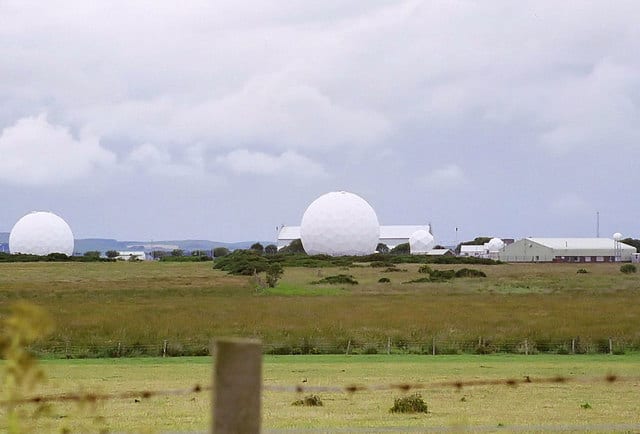
Contexto · RAF West Freugh (Escocia)
West Freugh Airfield - geograph.org.uk - 434249.jpg · Wikimedia Commons · CC BY-SA 2.0 · abrir original
La noche en cuestión
El 4 de abril de 1957, mientras se monitoreaba un ejercicio de bombardeo de prueba sobre el mar de Irlanda, las unidades de radar de la Bombing Trials Unit del Ministry of Supply, con base en RAF West Freugh (Wigtownshire, suroeste de Escocia), detectaron un eco no identificado. Una de las estaciones (situada en Balscalloch, cerca de Corsewall Point) no recibió la orden de cese de operaciones al terminar el ejercicio y siguió rastreando: registró un eco grande, sólido y casi estacionario sobre el mar de Irlanda. Según la reconstrucción del caso, el objeto permaneció prácticamente estático durante unos diez minutos a unos 50.000 pies, a 20-25 millas al norte de Stranraer; luego ascendió hasta unos 70.000 pies, giró hacia el sudeste y aceleró a alrededor de 240 mph en dirección a la Isla de Man. En conjunto fue seguido por radar durante unos 36 minutos por tres estaciones: Balscalloch, Ardwell, 14 millas al sur, que confirmó los ecos a la misma distancia y altura, y una tercera que llegó a seguir cuatro objetos a 14.000 pies, en fila y separados 4.000 yardas. El informe de la inteligencia técnica del Air Ministry (DDI Tech) del 30 de abril dedujo que en total los tres radares detectaron cinco objetos; que al menos uno subió a 70.000 pies casi sin moverse en azimut ni distancia; que todos parecían capaces de unas 240 mph; y que eran reflectores de radar muy eficaces, «de tamaño considerable o construidos para ser especialmente buenos reflectores».
Unos días después, operadores civiles filtraron el episodio a la prensa; el Sunday Dispatch lo publicó el 7 de abril de 1957, y el caso pasó a titulares. Según la prensa de la época, se avisó a estaciones de radar de todo el país para que buscaran el objeto; la agencia United Press, que precisó que lo habían captado dos pantallas de radar de la costa oeste de Escocia, citó a oficiales de la RAF que sugerían un avión de reconocimiento soviético. Un portavoz del Air Ministry declinó dar una declaración detallada hasta que los expertos estudiaran un informe completo, mientras que el comandante de RAF West Freugh, Wing Commander Peter Whitworth, declaró a la prensa: «No se me permite revelar su posición, curso ni velocidad. No fue una casualidad ni un fallo técnico»; en mayo, la seguridad del Air Ministry le pidió instruir al personal de que nada de lo que ocurriera en la base debía comentarse en público.
Dado que el caso estaba en los titulares, varios miembros del Parlamento (entre ellos el mayor Sir Patrick Wall, diputado conservador por Beverley) interpelaron al Air Ministry. Las notas preparadas para que el ministro George Ward respondiera el 17 de abril decían que el objeto se siguió 36 minutos, que no había aviones militares ni comerciales en la zona, que no pudo ser un globo «porque se movía contra el viento», y sugerían contestar que la causa no se había establecido y que «bien pudo ser un avión privado». Un memorando del 11 de abril lamentaba que el incidente de Wigtownshire hubiera «caído en manos de la prensa» y recomendaba no mencionar como avistamientos de radar otros dos casos que no se habían hecho públicos. El expediente forma parte de los archivos sobre fenómenos aéreos de los National Archives del Reino Unido.
Por qué importa
Datos de radar militar con altura y velocidad medidas, performance que excede el envelope de 1957, y un informe interno que concluyó que eran objetos no identificados mientras al Parlamento se le sugería un avión privado, junto a instrucciones documentadas de silencio.
No se trata de un observador a ojo desnudo describiendo una luz, sino de una unidad militar de pruebas de bombardeo (personal entrenado, equipo calibrado) rastreando un retorno de radar y registrando parámetros cuantitativos: posición, altura, rumbo, velocidad. Que el seguimiento lo realizaran varias estaciones reduce la probabilidad de un artefacto instrumental local (una anomalía de propagación o un eco espurio en un solo equipo). Y la cronología institucional posterior (filtración a la prensa, alerta de la inteligencia de la RAF, evasivas del Air Ministry, interpelación parlamentaria con una respuesta más tranquilizadora que el informe interno, y orden de silencio al personal) constituye un expediente de gestión de información de manual.
El expediente no sostiene la hipótesis del globo. El informe de la inteligencia técnica del Air Ministry, según los National Archives, concluyó que el incidente se debió a «cinco objetos reflectantes de tipo y origen no identificados» (cinco, no uno) y consideró «improbable» que fueran aviones convencionales, globos meteorológicos o nubes cargadas; añadió que, aunque hubiera habido globos en la zona, no explicarían el cambio brusco de dirección ni el desplazamiento a gran velocidad contra el viento dominante. El globo solo aparece en lo que el ministerio sugirió extraoficialmente a la prensa días después, según Patrick Gross: un globo soltado desde el aeródromo de Aldergrove, que, cuando los periodistas vieron que no encajaba, quedó rebajado a explicación «posible». El caso queda, por tanto, como lo que es: un dato instrumental militar oficialmente inexplicado, sin una explicación mundana que sostengan las propias fuentes, y un patrón de silencio estatal relevante por su valor institucional, no como evidencia de una hipótesis exótica.
Lo que queda en papel
Evidencia documentada
- Tres radares de la Bombing Trials Unit (Balscalloch, Ardwell y una tercera estación) siguieron los ecos unos 36 minutos con altura y velocidad medidas.
- Informe DDI (Tech) del 30 abr 1957: cinco objetos, uno subió a 70.000 ft casi estacionario, todos capaces de unas 240 mph; «improbable» que fueran aviones convencionales, globos meteorológicos o nubes cargadas.
- Notas para el ministro (17 abr 1957): no pudo ser un globo porque se movía contra el viento; respuesta sugerida, «bien pudo ser un avión privado».
- Instrucción de silencio al personal de la base (mayo 1957); expedientes AIR 20/9320 y AIR 20/9321 en los National Archives del Reino Unido.
- Hipótesis atribuida a Clarke y Roberts en su libro, según el resumen de Patrick Gross (sin página): un avión espía U-2 estadounidense, sin respaldo documental.
Fuentes
- The National Archives (UK) — Unidentified Flying Objects (UFOs) research guide — Guía oficial de los National Archives: cita la conclusión del informe DDI (Tech) (AIR 20/9321)
- RAF West Freugh incident, April 1957 (documentación ufológica) — Fuente secundaria que transcribe los documentos del Air Ministry (informe DDI Tech, notas para el ministro, memorando del 11 de abril) a partir de Clarke y Roberts, y la prensa de 1957
- The National Archives (UK) — AIR 2/18564, «UFO report: West Freugh 1957» — Ficha de catálogo del expediente del Ministerio del Aire.
Casos relacionados
mismo país · misma época
RAF Manston · la orden de disparar (Milton Torres)
1957 · Tier B
mismo país · misma época
Lakenheath-Bentwaters
1956 · Tier S
mismo país · misma época
BOAC «Centaurus» · sobre Labrador
1954 · Tier A
mismo país · misma época
Operation Mainbrace · oleada sobre la flota OTAN
1952 · Tier A