2004·Tinley Park, Illinois (área metropolitana de Chicago)
Estados Unidos.Tinley Park · oleada masiva de luces investigada por MUFON (EE.UU., 2004)
El 21 de agosto de 2004, más de cien personas en Tinley Park y localidades vecinas del área de Chicago vieron tres luces rojizo-naranjas en formación triangular deslizándose en silencio. El episodio se repitió la noche de Halloween de 2004, con decenas de testigos más. Lo investigó MUFON: su director en Illinois, Sam Maranto, recopiló fotos y video y sostuvo públicamente que no fue un fraude.
Seguir leyendo el resumen
Se han propuesto explicaciones prosaicas (farolillos, bengalas con globos, aeromodelos, aviones militares); algunos testigos objetan que las luces parecieron detenerse y mantenerse juntas pese al viento. No hay resolución consensuada.
Tier A · Aceptable¿Qué significan? →
Evidencia institucional: varios testigos independientes identificados, o documentación oficial de la época, sin un registro instrumental que los corrobore.
Qué fue
81%causa natural o humana
Explicación más probable: aeronave
Ver el reparto entre las seis explicaciones
Causa natural o humana
Sin causa conocida
Documentos primarios
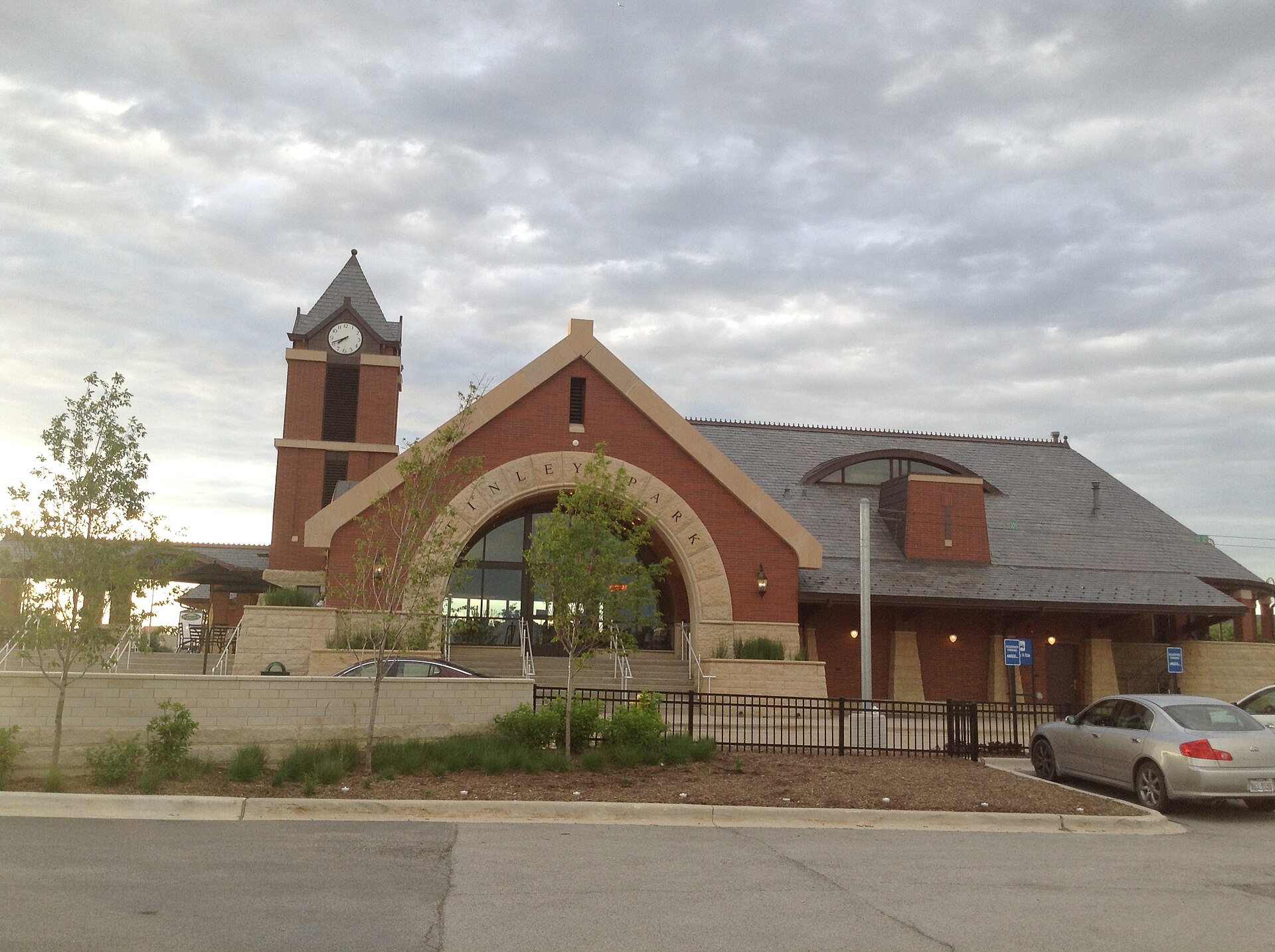
Contexto · Tinley Park (Illinois)
Tinley Park, Ill..JPG · Wikimedia Commons · CC BY-SA 4.0 · abrir original
«Flying objects hovering over Southland yet to be identified», Daily Southtown, 1 nov 2004, en UFO Newsclipping Service n.º 426
Crónica del día siguiente a la noche de Halloween de 2004. Tres luces rojas intensas y fijas aparecieron en un cielo «dark, overcast», casi sin ruido, y se movieron despacio hacia el este; a las 21:30 volvió una sola luz al suroeste y se perdió, quizá en las nubes. La policía de Tinley Park recibió más de 100 llamadas, «closer to 200», desde las 19:30, y el sargento T. J. Grady las vio quedarse un rato «and barely move». Un portavoz de la FAA dijo que el radar de Aurora no registró nada inusual. El piloto Tim Janecyk las grabó y las describió rojo anaranjado, sin parpadeo ni ruido.
Daily Southtown Economist (Chicago), reproducido por UFO Newsclipping Service (archive.org) · ver fuente
La noche en cuestión
La noche del 21 de agosto de 2004, sobre Tinley Park (un suburbio al sur del área metropolitana de Chicago), numerosos residentes reportaron tres luces de color rojizo-naranja dispuestas en una formación triangular o lineal, que se desplazaban lentamente y en completo silencio. Lo distintivo del caso fue la escala: más de cien personas, en Tinley Park y en localidades vecinas como Oak Forest, Mokena, Orland Park, Frankfort y Evergreen Park, describieron el mismo fenómeno de forma simultánea. Un factor que favoreció la masividad fue el contexto: esa noche había terminado un concierto del festival Ozzfest en el anfiteatro local (el entonces Tweeter Center), de modo que miles de personas estaban en la calle, regresando a casa y mirando el cielo. Varios testigos capturaron las luces en fotografías y video. Bill Dooley, vecino de Tinley Park, contó en 2011 que hacia las 22:00 vio llegar hacia él tres luces en fila durante unos veinte minutos, que en un momento le parecieron detenidas y juntas pese al viento, sin sonido, que pasaron de la fila a apilarse y luego a un triángulo antes de alejarse volviéndose blancas, y que unos 45 minutos después otra luz roja recorrió el mismo camino e hizo lo mismo. T. J. Japcon, que las vio llegar del suroeste y detenerse en triángulo sobre una fiesta vecinal, las grabó con su videocámara, y recordó que un policía que pasó dijo no saber qué ocurría pero mantenía la radio abierta porque la central estaba recibiendo llamadas.
El episodio no fue único: en la noche de Halloween de 2004 las luces reaparecieron, con decenas de testigos adicionales (los reportes citan unas 77 personas) describiendo el mismo patrón. La crónica del Daily Southtown del día siguiente habla de un cielo oscuro y cubierto, de entre cien y casi doscientas llamadas a la policía, y de que el radar de la FAA en Aurora no registró nada inusual. Un reporte enviado esa noche al centro de reportes NUFORC, con doce testigos, dice que las tres luces rojas «volvieron como en agosto», quedaron suspendidas en el cielo del este unos 40 minutos, con la luz central desplazándose hacia la izquierda y regresando, y luego se desvanecieron. La recurrencia en la misma zona, con el mismo aspecto, reforzó el interés y empujó el caso a la cobertura nacional; años después fue tratado en televisión, incluido un episodio de la serie 'UFO Hunters' (History Channel) titulado 'Invasion Illinois'.
El caso fue investigado por MUFON, en particular por Sam Maranto, director del capítulo de Illinois, que recopiló los testimonios y el material gráfico y ha defendido públicamente que el evento no fue un montaje, subrayando que las condiciones de observación (cielo despejado, multitud de testigos sobrios y dispersos) eran óptimas. Las teorías convencionales que recogió la prensa local fueron aeronaves de modelismo, un montaje con bengalas y globos, y aviones militares, en una zona con mucho tráfico hacia O'Hare y Midway y el mismo día del Chicago Air and Water Show; otros han propuesto farolillos voladores, que el blog Enigmatic Ideas descarta porque no mantienen formaciones geométricas rígidas. El equipo de UFO Hunters intentó reproducir las luces con bengalas y globos en Indiana y, según uno de los participantes, el resultado se veía muy distinto; en ese mismo episodio, algunos testigos sostienen que era una sola nave triangular de más de 1.500 pies de ancho. Ninguna de las dos posiciones quedó demostrada de forma concluyente; conviene anotar un matiz que a veces se invoca mal en este caso: aunque Illinois prohibió los farolillos voladores en 2013, esa norma es posterior y no dice nada sobre su disponibilidad en 2004, cuando circulaban con normalidad. El color y el silencio encajan con farolillos: el rojizo-naranja es el color de una llama y un objeto sin propulsión no hace ruido, y varios farolillos soltados juntos pueden parecer una formación. Lo que encaja peor es el movimiento descrito: un testigo recordó en 2011 luces que le parecieron detenidas y juntas pese al viento, y el reporte de octubre habla de unos cuarenta minutos suspendidas, no de luces que derivaran con él; son, eso sí, testimonios, uno de ellos siete años posterior.
Por qué importa
Importa como avistamiento masivo bien documentado investigado por MUFON, y como caso de calibración. Reúne lo que hace memorable a un caso (cien o más testigos independientes, recurrencia, fotos y video, investigación de campo de la red civil más grande) sobre un fenómeno para el que se han propuesto causas prosaicas. Es el complemento estadounidense de la espiral de China 1981: demuestra que el número de testigos mide notoriedad, no anomalía. Casos así (muy participados, débilmente evidenciales) recuerdan que no hay que confundir viralidad con peso probatorio. El valor del expediente es metodológico, no evidencial.
Vale subrayar dónde está el desacuerdo. El investigador de campo no defiende que haya sido una nave; defiende que no fue un fraude, es decir, que cien personas vieron algo real en el cielo. Eso es casi seguro cierto y, sin embargo, no decide entre las explicaciones: los farolillos voladores también son objetos físicos reales que muchísima gente puede ver a la vez. 'No fue un montaje' y 'fueron farolillos' no se contradicen. El error que el caso ayuda a evitar es deslizarse de 'el avistamiento es genuino' a 'el objeto es inexplicado', un salto que el número de testigos invita a dar pero que la evidencia no respalda. Por eso Tinley Park ancla la calibración: mide cuánto pesa la participación masiva cuando falta el dato duro.
Lo que queda en papel
Evidencia documentada
- Observación simultánea por más de cien personas en Tinley Park y localidades vecinas (Oak Forest, Mokena, Orland Park, Frankfort, Evergreen Park) el 21 de agosto de 2004
- Segunda oleada en la noche de Halloween de 2004 con decenas de testigos adicionales (~77)
- Fotografías y video tomados por testigos
- Investigación de campo de MUFON; Sam Maranto (director de MUFON Illinois) recopiló el material y descartó públicamente el fraude
- Descripción consistente: tres luces rojizo-naranjas, silenciosas, en formación, que según un testigo en 2011 parecieron detenerse pese al viento; unos 40 min suspendidas en el reporte NUFORC del 31 oct
- Teorías convencionales recogidas por la prensa: aeronaves de modelismo, bengalas con globos y aviones militares; UFO Hunters intentó reproducir las luces con bengalas y globos y el resultado se veía muy distinto
Fuentes
- The Clio — 'First Sighting of the Tinley Park Lights' — Cronología y contexto del caso.
- Patch (Tinley Park) — 'UFO Expert On Tinley Park's 2004 Sightings: They Were Not A Hoax' — Postura de Sam Maranto (MUFON Illinois).
- Chicago Sun-Times — '5 notable UFO sightings in Illinois history' — Cobertura periodística del caso en contexto.
- Patch (Tinley Park) — «'Tinley Park Lights' Still A Southland Mystery»
- Enigmatic Ideas — «Revisiting the Tinley Park Lights»
- Wikipedia — UFO Hunters, temporada 2, episodio «Invasion Illinois» (29 oct 2008)
- NUFORC — reporte de Tinley Park, 31 oct 2004 («Three red lights return to Tinley Park»), vía el conjunto de datos de NUFORC — Reporte de testigo de la época: tres luces rojas suspendidas unos 40 minutos, doce testigos.
Casos relacionados
misma explicación · mismo país · misma época
Stephenville
2008 · Tier A
misma explicación · mismo país · misma época
Phoenix Lights
1997 · Tier A
misma explicación · mismo país · misma época
Una estrella de ocho puntas con brazos de largo desigual
2013 · Tier A
misma explicación · mismo país
USS Russell — video 'pirámide' (visión nocturna)
2019 · Tier A