2001·Çandarlı, costa del Egeo (Turquía)
Turquía.Çandarlı · pilotos de la FAT sobre el Egeo
En 2001, durante un vuelo de entrenamiento en un T-37 frente a Çandarlí (costa egea de Turquía), dos pilotos de la Fuerza Aérea Turca reportaron un objeto brillante con forma entre cono y disco que se aproximó a alta velocidad y giró alrededor del avión durante unos 30 minutos. Lo informaron a su controlador y al centro regional de alerta del ejército turco. Testimonio de pilotos militares con reporte a la cadena de mando.
Tier B · Indiciario¿Qué significan? →
Evidencia limitada: un solo testigo, un testimonio recogido años después o un relato sin documentación primaria de la época.
Qué fue
60%causa natural o humana
Explicación más probable: aeronave
Ver el reparto entre las seis explicaciones
Causa natural o humana
Sin causa conocida
Documentos primarios
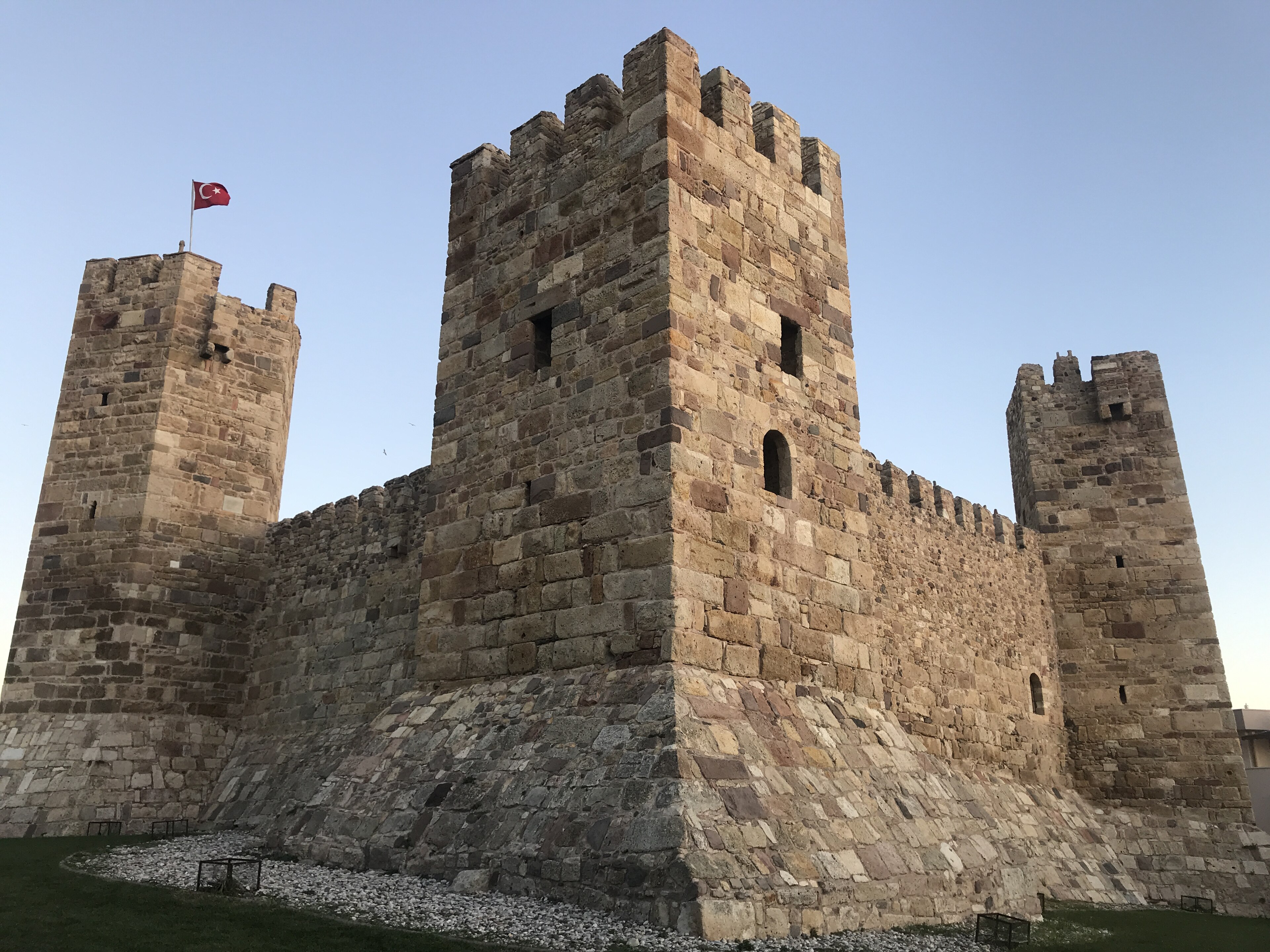
Contexto · Çandarlı (costa del Egeo, Turquía)
Çandarlı Castle 09.jpg · Wikimedia Commons · CC BY-SA 4.0 · abrir original
ABC News, «Turkish Pilots Encounter UFOs Over Aegean» (Atenas, 8 ago 2001)
La crónica de la época. Cuenta que dos pilotos turcos en formación, en un vuelo de instrucción rutinario en un T-37 de fabricación estadounidense frente a Çandarlı, llamaron a la torre de su base porque un objeto brillante se acercó al avión a gran velocidad y, según se informó, giró a su alrededor una media hora; cita la llamada que publicó Hürriyet («Object approaching the wings. Now it's behind the plane… now it's in front of us»), dice que avisaron al controlador y al centro regional de alerta del Ejército turco con la descripción de algo entre cono y disco, y que fuentes de la Fuerza Aérea turca decían estar investigando, igual que los griegos. Artículo con derechos, por eso va como enlace.
ABC News · ver fuente
La noche en cuestión
El 6 de agosto de 2001, dos pilotos jóvenes de la Fuerza Aérea Turca (identificados en la prensa como el teniente primero Ilker Dinçer y el teniente Arda Günyer) despegaron alrededor de las 12:30 (hora turca) en un T-37, un birreactor de entrenamiento de fabricación estadounidense, para una misión de instrucción rutinaria frente al pueblo costero de Çandarlı, en el mar Egeo, en una zona de espacio aéreo restringido cercana a la base aérea de Izmir-Çiğli. Según su reporte, un objeto brillante apareció y se aproximó a la aeronave a gran velocidad, igualando luego su altitud y rapidez para acompañar y girar alrededor del avión. La duración no está clara: las fuentes hablan de 2, 15 o 30 minutos.
“pero ningún segundo objeto a su alrededor”
Los pilotos describieron una forma inusual, descrita como un cruce entre un cono y un disco; según el diálogo con la torre que se filtró a la prensa desde fuentes no identificadas de la Fuerza Aérea, Dinçer lo describió «with support legs, extremely luminous and high speed», acercó su avión al objeto, que también se acercó, y comentó que parecía buscar un combate cerrado; el encuentro terminó cuando el objeto desapareció a una velocidad increíble. El diario Hürriyet citó su llamada: «Object approaching the wings. Now it's behind the plane ... now it's in front of us». Comunicaron el avistamiento en tiempo real a su controlador y al centro regional de alerta de guerra del ejército turco, integrándolo así en la cadena de mando militar. El episodio fue recogido por la prensa internacional (ABC News, 8 de agosto de 2001), que añadía que fuentes de la Fuerza Aérea turca decían estar investigando, que los griegos también lo hacían y que Turquía pensaba informar del encuentro a organismos internacionales como la NASA, y por reportes ufológicos de la época.
La explicación oficial es parte esencial del caso y debe presentarse con la misma franqueza que el testimonio. El portavoz de la Fuerza Aérea Turca, el mayor Orhan Tamer, declaró que el episodio había sido malinterpretado por los medios y que el objeto era, en realidad, una bandada de aves o un globo meteorológico; añadió que se considerarían medidas disciplinarias para que los pilotos no siguieran haciendo declaraciones públicas. Según el comunicado de MUFON-CES que recogió el caso, la Sociedad Meteorológica turca dijo al diario Sabah que no tenía ningún globo sonda en esa zona, que esos globos solo se lanzan lejos de la base militar y que serían muy fáciles de identificar en el radar militar; confrontado con ello, Tamer respondió que al general Erol Özgil le habían dicho que era un globo, y esa fue la última declaración oficial. Según el mismo comunicado, en la conversación con la torre filtrada a la prensa el control respondió a la petición de confirmación de radar que detectaba las maniobras del avión 'pero ningún segundo objeto a su alrededor'. Esa respuesta institucional (reducir el incidente a una causa mundana y a la vez disuadir a los testigos de hablar) es ambivalente: puede leerse como un desmentido sobrio o como una contención corporativa, y la evidencia disponible no resuelve esa ambigüedad.
En resumen: es un testimonio de pilotos militares (entrenados en identificación de aeronaves) con una duración incierta (entre 2 y 30 minutos según la fuente) y reporte formal a la cadena de mando, pero sin eco de radar del objeto según la conversación filtrada ni registro de sensor en el material público, y con una explicación oficial mundana en el expediente. Suma un segundo punto turco junto a Kumburgaz (2007), de distinta naturaleza: aquél visual-civil con video, éste de aviación militar.
Por qué importa
Caso turco de perfil institucional distinto al de Kumburgaz: en vez de un video civil, aquí hay pilotos de la Fuerza Aérea reportando por la cadena de mando a la torre y al centro de alerta del ejército. Muestra que Turquía (considerada un 'hotspot' de avistamientos) también tiene encuentros de aviación militar en el registro público.
Más aún, el caso es un buen ejemplo del modo en que una institución gestiona un reporte incómodo de sus propios pilotos. La explicación oficial (aves o globo meteorológico) es plausible y debe tomarse en serio: una bandada o un globo a la deriva pueden producir, contra el sol y a distancia, una impresión de forma compacta y de 'acompañamiento' por paralaje. Pero la amenaza de medidas disciplinarias contra los testigos introduce un sesgo en sentido contrario, porque desincentiva el reporte futuro y enturbia la trazabilidad del dato original. Esa tensión (desmentido mundano frente a presión institucional sobre el testigo) es un patrón que conviene documentar sin sobreinterpretar: el caso vale como punto institucional turco y como ilustración de la dinámica reporte/contención, no como evidencia de anomalía física. En el balance, el 'acompañamiento' a la altitud y velocidad del jet (hasta 30 minutos según algunas fuentes) y la negativa de la Sociedad Meteorológica a haber lanzado un globo son lo que más tensiona la explicación oficial, pero no la refutan, y sin radar ni imagen el episodio permanece como un testimonio profesional inconcluso. Queda registrado, geográficamente relevante y evidencialmente abierto.
Lo que queda en papel
Evidencia documentada
- Dos pilotos de la Fuerza Aérea Turca (tte. Ilker Dinçer y tte. Arda Günyer) en un T-37, vuelo de entrenamiento sobre el Egeo (Çandarlí, 6 ago 2001).
- Objeto brillante forma cono/disco que igualó altitud/velocidad y giró alrededor del avión; duración incierta (2, 15 o 30 minutos según la fuente).
- Reportado en tiempo real al controlador y al centro regional de alerta del ejército turco.
- Cobertura de prensa internacional (ABC News); según la conversación filtrada, el radar detectó las maniobras del avión pero ningún segundo objeto.
- Explicación oficial (mayor Orhan Tamer, FAT): bandada de aves o globo meteorológico, luego solo globo; la Sociedad Meteorológica turca negó tener globos en la zona; se amenazó con medidas disciplinarias a los pilotos.
Fuentes
- ABC News — 'Turkish Pilots Encounter UFOs Over Aegean' (2001) — Crónica de la época (John K. Cooley, 8 ago 2001), con la llamada citada por Hürriyet.
- Hürriyet Daily News — 'UFOs continue to fascinate Turkey and the world'
- MUFON-CES — comunicado de prensa 'Military pilots encounter UFO in prohibited Turkish airspace' (6 sep 2001) — Recoge la explicación del portavoz Orhan Tamer, la negativa de la Sociedad Meteorológica turca y la conversación con la torre filtrada a la prensa.
Casos relacionados
misma explicación · misma época
Tinley Park · oleada masiva de luces investigada por MUFON (EE.UU., 2004)
2004 · Tier A
misma explicación · misma época
Phoenix Lights
1997 · Tier A
misma explicación · misma época
Howden Moor · operativo de rescate por un objeto fantasma
1997 · Tier A
mismo país · misma época
Kumburgaz (Yalman)
2007 · Tier A