Caso Nº 127·Dinamarca
2009·Dinamarca (Fuerza Aérea Real; estaciones de radar de Bornholm)
Dinamarca.Dinamarca · archivos UFO de la Fuerza Aérea desclasificados
En 2009, la Fuerza Aérea Real de Dinamarca desclasificó y abrió al público sus archivos UFO: 329 páginas de reportes (1978–2002) entregadas a la asociación SUFOI, con más de 200 avistamientos no resueltos sobre un total de ~15.000 reportes acumulados en tres décadas. La razón oficial: 'no había nada secreto en los archivos'. Entre los casos figuran un objeto triangular luminoso al norte de Bornholm durante el ejercicio OTAN Mainbrace (1952) y ecos de radar inexplicados sobre el Báltico (1956). Primer registro de Dinamarca: el valor es la desclasificación institucional, encuadrada con honestidad sobre que la mayoría se explicó.
Año
2009
Tier
A
Probabilidad
45%
Categoría
Documento
Evidencia institucional: múltiples testigos verificables o documentación oficial. Tres ejes independientes: el «tier» mide la fuerza de la evidencia; la «probabilidad» estima cuán genuinamente inexplicado está el caso —un fenómeno natural puede seguir sin explicación, así que no equivale a «no-prosaico»—; y la partición de explicaciones (abajo) dice qué fue más plausiblemente. Por eso un caso bien documentado puede tener como causa más plausible un posible fraude, y un Tier B no es, por eso, un fraude.
Documentos primarios · visor
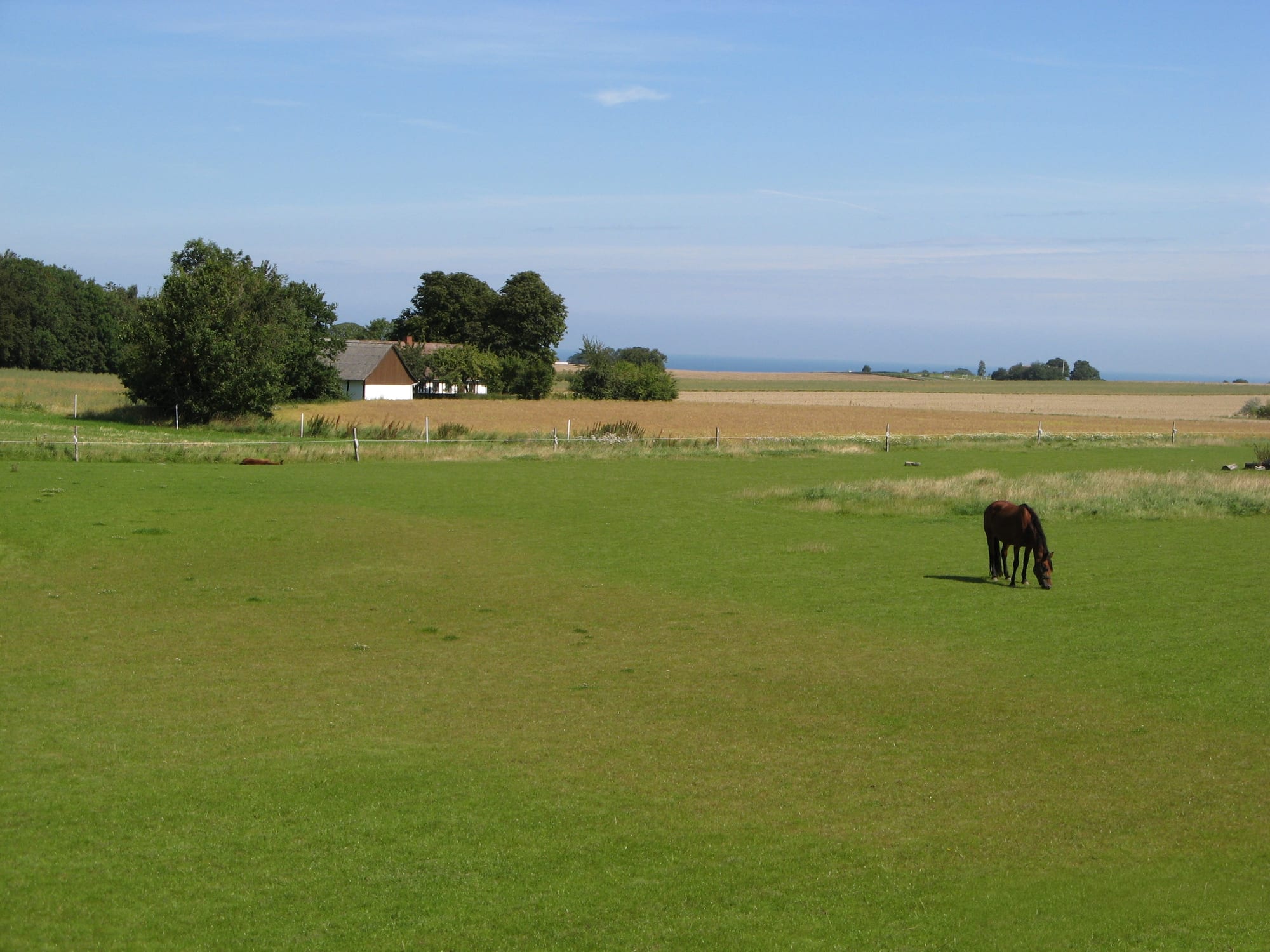
Contexto · Bornholm (Dinamarca), sede de las estaciones de radar de la Fuerza Aérea
Bornholm agricultural landscape - panoramio.jpg · Wikimedia Commons · CC BY 3.0 · abrir original
Parte 01
El expediente en cuestión
En febrero de 2009, la Fuerza Aérea Real de Dinamarca desclasificó los archivos UFO que había compilado durante unas tres décadas y los puso a disposición del público. El núcleo entregado a la asociación civil SUFOI (Scandinavian UFO Information) constaba de 329 páginas de reportes del período 1978–2002, parte de un acervo mayor que documentaba alrededor de 15.000 avistamientos reportados; más de 200 quedaron clasificados como no resueltos. La justificación oficial fue escueta: las autoridades consideraron que 'no había nada secreto en los archivos'.
“no había nada secreto en los archivos”
Los expedientes incluyen casos que se remontan a los años 50. Dos destacan por su perfil institucional y su anclaje geográfico danés, en torno a la isla báltica de Bornholm: durante el ejercicio naval de la OTAN Operación Mainbrace, en septiembre de 1952, se reportó un objeto triangular luminoso al norte de Bornholm; y en 1956 estaciones de radar en la isla registraron ecos no identificados sobre el Báltico. El resto del acervo es un muestrario típico —muchos avistamientos se resolvieron como aeronaves, fenómenos meteorológicos y similares.
El encuadre del corpus es deliberadamente equilibrado. Lo que ancla a Dinamarca no es un fenómeno extraordinario sino la cadena institucional: una fuerza aérea nacional que durante treinta años registró sistemáticamente los reportes, los conservó y finalmente los abrió a una asociación civil sin retener secreto. La honestidad obliga a señalar que la propia Fuerza Aérea explicó la mayoría como mundanos; el valor del caso es la transparencia documental, no la elevación del fenómeno a anomalía.
Parte 02
Por qué este caso movió la aguja
Primer registro de Dinamarca y un ejemplo limpio de transparencia institucional: una fuerza aérea nacional que registró del orden de 15.000 reportes a lo largo de tres décadas y abrió por completo su archivo en 2009, entregándolo a una asociación civil con la fórmula escueta de que 'no había nada secreto en los archivos'. Esa frase, lejos de ser un anticlímax, es parte del valor: contradice de forma directa la narrativa de encubrimiento total, mostrando que al menos una fuerza aérea occidental podía abrir sus expedientes sin que se desplomara ningún secreto de Estado.
El caso cumple una función estadística rara y necesaria dentro del corpus. La gran mayoría de los ~15.000 reportes daneses se resolvieron como aeronaves, fenómenos meteorológicos, astros y confusiones similares; solo más de 200 quedaron como no resueltos. Esa proporción —un residuo de pocos puntos porcentuales sobre un universo nacional completo, no curado por entusiastas— es exactamente la línea de base que la hipótesis de identificación errónea necesita para ser tomada en serio: la mayoría del 'ruido' UAP es, en efecto, mundano, y un sistema honesto lo demuestra. Que los pocos casos persistentes (el objeto triangular al norte de Bornholm durante el ejercicio de la OTAN Mainbrace en 1952, los ecos de radar sobre el Báltico en 1956) no se cerraran no los vuelve anómalos, pero sí marca el tamaño del residuo.
Junto al Arquivo Nacional de Brasil y otros registros nacionales, Dinamarca refuerza la tesis del corpus de que la documentación militar abierta de UAP no es un fenómeno exclusivamente estadounidense, sino una práctica replicable. Se incluye con honestidad deliberada: aquí lo que se pondera no es un avistamiento extraordinario, sino la cadena institucional —tres décadas de registro sistemático, conservación y apertura sin retención de secreto—. Su valor es la transparencia, no la anomalía, y el corpus lo trata como tal.
Parte 03
Lo que queda en papel
Evidencia documentada
- 2009: la Fuerza Aérea Real de Dinamarca desclasificó sus archivos UFO; 329 páginas (1978–2002) entregadas a SUFOI.
- ~15.000 avistamientos reportados acumulados en tres décadas; más de 200 clasificados como no resueltos.
- Casos destacados: objeto triangular al norte de Bornholm en el ejercicio OTAN Mainbrace (1952); ecos de radar inexplicados sobre el Báltico (1956).
- Encuadre honesto: la Fuerza Aérea explicó la mayoría como aeronaves/meteorología; el valor es la transparencia, no la anomalía.
Patrones que exhibe (1)
Ubicación
Dinamarca (Fuerza Aérea Real; estaciones de radar de Bornholm) · 55.14°, 14.92°
Casos relacionados