1948·Fargo, Dakota del Norte
Estados Unidos.Gorman Dogfight · F-51 vs. luz maniobrante (Fargo)
El 1 de octubre de 1948, el segundo teniente de la Guardia Nacional Aérea George F. Gorman persiguió durante unos 27 minutos sobre Fargo, en su F-51 Mustang, una pequeña luz blanca que según él maniobraba mejor que su caza. Los controladores de la torre y los ocupantes de una avioneta Piper Cub vieron una luz rápida durante segundos, no las maniobras. Project Sign lo investigó; en 1949, ya bajo Project Grudge, un análisis lo atribuyó a un globo meteorológico iluminado.
Tier A · Aceptable¿Qué significan? →
Evidencia institucional: varios testigos independientes identificados, o documentación oficial de la época, sin un registro instrumental que los corrobore.
Qué fue
77%causa natural o humana
Explicación más probable: globo
Ver el reparto entre las seis explicaciones
Causa natural o humana
Sin causa conocida
Documentos primarios
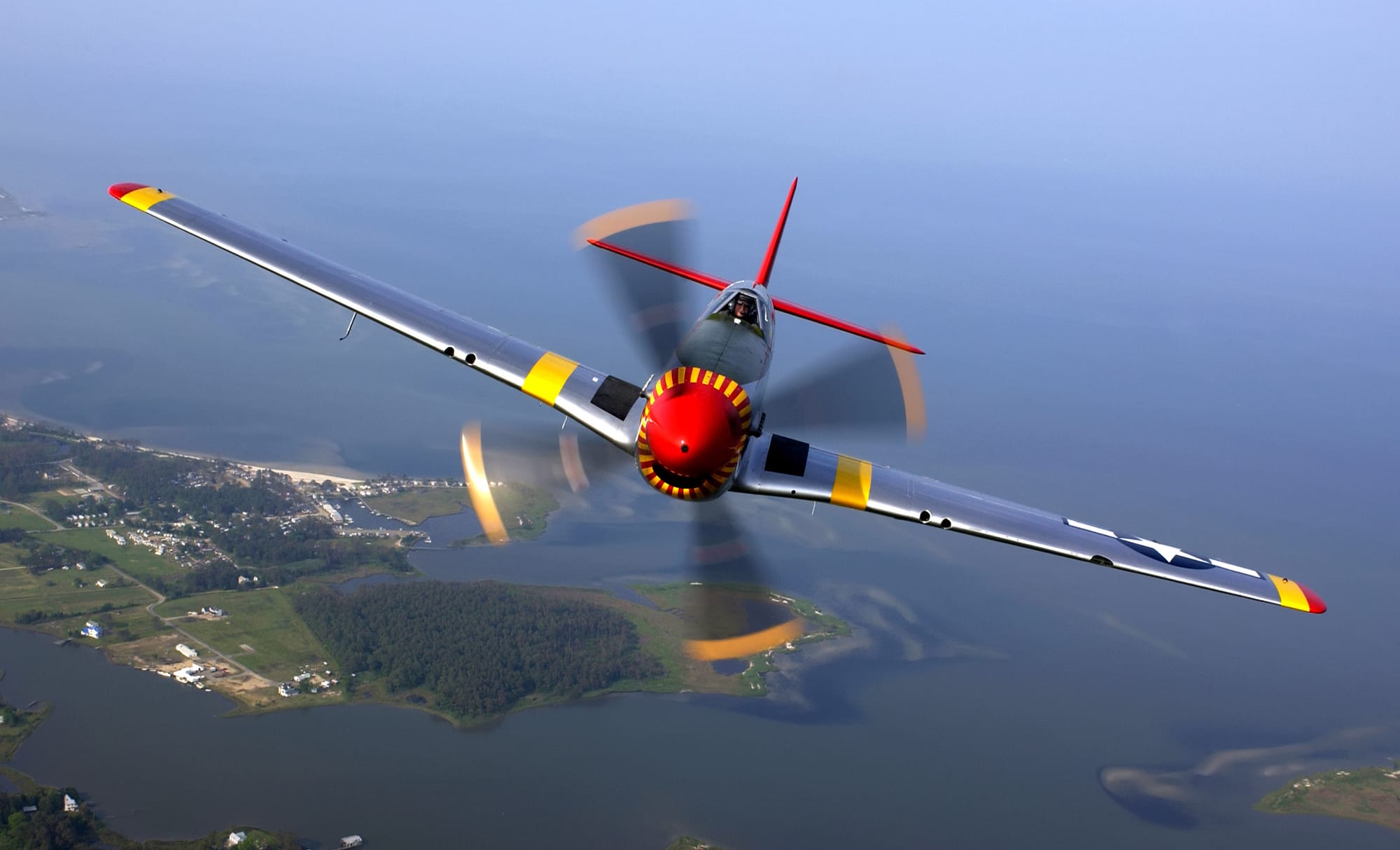
Contexto · un P-51 Mustang, el tipo de caza del 'dogfight' de Gorman
P-51 Mustang edit1.jpg · Wikimedia Commons · Dominio público · abrir original
Incident Summaries 1-100 — fichas «Check-List: Unidentified Flying Objects» (USAF)
Tres volúmenes de «Incident Summaries» de la Fuerza Aérea de Estados Unidos, con los incidentes numerados del 1 al 233, procedentes de sus registros en los Archivos Nacionales y desclasificados en la primera entrega de PURSUE, el 8 de mayo de 2026. Cada resumen gira en torno a una ficha estandarizada, «Check-List - Unidentified Flying Objects», con fecha, lugar, descripción del objeto, rumbo, meteorología y fiabilidad del testigo, y muchos añaden listas de testigos y declaraciones. Es el instrumento con que los proyectos Sign (1948) y Grudge (1949) tabularon los reportes de discos voladores, antecedente de las fichas de Blue Book. Una ficha prueba que un reporte se recibió y se procesó, no que fuera anómalo: la mayoría se resolvía como globos, astros, aeronaves o errores de identificación.
Department of War / USAF (PURSUE Release 01) · Dominio público · obra del Gobierno de EE. UU. · abrir original
Incident Summaries 101-172 — fichas «Check-List: Unidentified Flying Objects» (USAF)
Department of War / USAF (PURSUE Release 01) · Dominio público · obra del Gobierno de EE. UU. · abrir original
Incident Summaries 173-233 (parte 1/4) — fichas «Check-List: Unidentified Flying Objects» (USAF)
Department of War / USAF (PURSUE Release 01) · Dominio público · obra del Gobierno de EE. UU. · abrir original
Ver los otros 3 documentos
Incident Summaries 173-233 (parte 2/4) — fichas «Check-List: Unidentified Flying Objects» (USAF)
Department of War / USAF (PURSUE Release 01) · Dominio público · obra del Gobierno de EE. UU. · abrir documento
Incident Summaries 173-233 (parte 3/4) — fichas «Check-List: Unidentified Flying Objects» (USAF)
Department of War / USAF (PURSUE Release 01) · Dominio público · obra del Gobierno de EE. UU. · abrir documento
Incident Summaries 173-233 (parte 4/4) — fichas «Check-List: Unidentified Flying Objects» (USAF)
Department of War / USAF (PURSUE Release 01) · Dominio público · obra del Gobierno de EE. UU. · abrir documento
La noche en cuestión
La noche del 1 de octubre de 1948, el segundo teniente George F. Gorman, de 25 años, piloto de la Air National Guard de Dakota del Norte, volaba en círculos sobre Fargo tras un vuelo de travesía cuando vio una avioneta Piper Cub que giraba sobre el campo de fútbol del norte de la ciudad, donde se jugaba un partido nocturno, y casi al mismo tiempo una luz que cruzaba de este a oeste entre la torre del aeropuerto Hector y el estadio. Eran las 21:00. Al principio la tomó por la luz de navegación trasera de otra aeronave, aunque no tenía resplandor y parpadeaba. A las 21:07 consultó a la torre, que no conocía más tráfico local que la Cub, cuyo contorno Gorman distinguía con claridad contra las luces de la ciudad.
Durante 27 minutos, Gorman persiguió la luz en su F-51 Mustang en una secuencia que los relatos posteriores llamaron combate aéreo. Describió el objeto como una luz blanca de 6 a 8 pulgadas, de borde nítido y sin estructura discernible, que giraba más cerrado que su caza y subía en vertical; en dos pasadas de frente la luz pareció venir directamente contra él, y en una de ellas pasó, según su declaración, a unos 500 pies o menos por encima de su cabina. Gorman, a plena potencia, la siguió hasta 14.000 pies, donde entró en pérdida con la luz unos 2.000 pies por encima; después la vio alejarse hacia el noroeste, volver en otra pasada y subir en línea recta hasta perderse. Estimó su velocidad máxima en más de 600 millas por hora y declaró que había «pensamiento» detrás de las maniobras.
El expediente de Project Sign (incidente 172) muestra una corroboración mucho más limitada de lo que suele contarse. Los dos controladores de la torre, L. D. Jensen y Manuel E. Johnson, vieron una luz blanca y redonda, del tamaño de una luz de cola, durante «varios segundos», en vuelo horizontal o con un solo giro, y la vieron alejarse en línea recta; el oculista A. D. Cannon, que volaba en la Cub con su pasajero Einar Neilson y luego subió a la torre, la vio «a intervalos, solo por segundos», también en línea recta. Nadie más que Gorman vio las maniobras; Ruppelt resumió que los otros testigos «no presenciaron todas las maniobras». Los investigadores de Sign viajaron a Fargo en cuestión de horas y pasaron un contador Geiger por el avión, cuya radiactividad algo mayor se atribuyó después a los rayos cósmicos de un vuelo reciente; su resumen de octubre de 1948 dio por descartadas las sueltas de globos meteorológicos, y Ruppelt encontró en el expediente un viejo memorando de la reunión celebrada al regreso del equipo del ATIC que concluía que estaban ocurriendo «cosas extrañas». La explicación llegó después: en enero de 1949 el Air Weather Service incluyó el incidente 172 entre los casos en que un globo sinóptico «pudo haber estado» en el lugar, y un memorando del Aero Medical Laboratory del 28 de abril de 1949, ya bajo Project Grudge, concluyó que la luz pudo simplemente estar subiendo de forma empinada en un curso relativamente recto, como lo haría un globo iluminado, y que la estación meteorológica de Fargo había soltado uno dentro de los 10 minutos del primer avistamiento. El mismo memorando añadió que, de noche y persiguiendo un punto de luz sin otras referencias, un piloto apenas puede distinguir qué se mueve, si él o el objeto. Esa explicación es discutida (Gorman insistió en que el objeto respondía activamente) pero no es descartable, sobre todo porque el caso es enteramente visual, sin radar ni registro instrumental.
Por qué importa
Contemporáneo de Mantell y Chiles-Whitted, en el primer año de la investigación oficial estadounidense, Gorman es un ejemplo temprano del patrón que reaparecerá durante décadas: «un objeto supera en maniobra a un caza». El expediente original se conservó completo, con la declaración de cada observador, y fija su límite: la torre y los ocupantes de la Cub confirman que una luz rápida cruzó sobre Fargo, no el combate, que descansa solo en el relato de Gorman.
Su límite, y lo que lo distingue de los casos modernos con sensores, es que descansa por completo en la percepción humana. La explicación de globo no encaja cómodamente con un relato de respuesta activa, pero el propio mecanismo que los investigadores invocaron (paralaje y autoengaño de movimiento al perseguir un punto de luz sin referencias) es un fenómeno perceptual real y bien documentado en aviación. El caso es así un ejemplo nítido de la frontera epistémica de la era pre-instrumental: una luz vista también por otros pero maniobras vistas solo por el piloto, y ningún dato que arbitre entre 'objeto que maniobra' y 'globo más ilusión de movimiento'.
Lo que el caso ilumina, más allá de su veredicto, es la psicología del intercepto. Un piloto entrenado, convencido de enfrentar una inteligencia que respondía, es un buen testigo atrapado en una geometría engañosa. Perseguir un punto de luz pequeño, sin escala ni horizonte de referencia, hace que cada maniobra propia se proyecte sobre el objeto como si fuera él quien la ejecutara; la sensación de un adversario que 'embiste y quiebra' puede nacer del propio movimiento del perseguidor. Gorman es así un recordatorio temprano de por qué conviene desconfiar de los relatos de maniobra sin sensores: la convicción sincera de un profesional cualificado y la realidad física del objeto pueden divergir precisamente en los casos más dramáticos, y solo el instrumento independiente arbitra entre ambas.
Lo que queda en papel
Evidencia documentada
- Persecución de 27 minutos por el 2.º Tte. George F. Gorman (Air National Guard) en un F-51 Mustang, 1 oct 1948, según su declaración
- Los controladores Jensen y Johnson y el oculista A. D. Cannon, desde la Cub, vieron una luz rápida durante segundos y en línea recta; nadie más vio las maniobras
- Maniobras reportadas solo por Gorman: giros cerrados, ascensos verticales, pasadas de frente y pérdida a 14.000 pies
- Investigado por Project Sign (incidente 172); su resumen de octubre de 1948 descartó los globos meteorológicos
- Memorando del Aero Medical Laboratory (abril de 1949, Project Grudge): globo iluminado soltado por la estación de Fargo dentro de los 10 minutos del avistamiento
Fuentes
- Project Sign · expediente del incidente 172 (Fargo, 1 oct 1948), 38 páginas — copia en NICAP — Fuente primaria. Resumen del incidente (p. 2), listas de verificación de Jensen, Johnson y Cannon (pp. 3-5) y entrevista a Gorman (pp. 14-17).
- Project Grudge (agosto de 1949), parte 7 — Internet Archive — Fuente primaria. Memorando del Aero Medical Laboratory del 28 abr 1949 sobre el incidente 172 y el globo de Fargo (pp. 43-44 del PDF); comentario de Hynek (p. 11).
- Project Grudge (agosto de 1949), parte 6 — Internet Archive — Fuente primaria. Carta del Air Weather Service del 24 ene 1949 que incluye el incidente 172 entre los posibles globos sinópticos (pp. 29-31 del PDF).
- Edward J. Ruppelt, «The Report on Unidentified Flying Objects» (1956), cap. 3 — Project Gutenberg en Internet Archive — Relato del jefe de Project Blue Book a partir del expediente: la corroboración parcial, la visita de Sign y la conclusión del globo.
Casos relacionados
mismo objeto · mismo país · misma época
Roswell
1947 · Tier A
mismo objeto · mismo país · misma época
Discos sobre Muroc Army Air Field
1947 · Tier A
mismo objeto · mismo país · misma época
Fort Monmouth · el caso que reactivó Grudge
1951 · Tier A
mismo objeto · mismo país · misma época
'Battle of Los Angeles' · barrera antiaérea sobre LA
1942 · Tier A