1989·Desierto del Kalahari (frontera Sudáfrica–Botsuana)
Sudáfrica.Incidente del Kalahari
Se afirmó que el 7 de mayo de 1989 cazas Mirage de la Fuerza Aérea Sudafricana derribaron un objeto no identificado que cayó en el desierto del Kalahari, recuperándose la nave y dos ocupantes. Todo el caso se sostiene sobre documentos aportados por James van Greunen, examinados y hallados fraudulentos; él mismo admitió haber falsificado detalles. La investigadora Cynthia Hind lo desmontó en 'Anatomía de un fraude'. El relato de 'crash retrieval' está desmentido.
Tier B · Indiciario¿Qué significan? →
Evidencia limitada: un solo testigo, un testimonio recogido años después o un relato sin documentación primaria de la época.
Qué fue
90%causa natural o humana
Explicación más probable: posible fraude
Ver el reparto entre las seis explicaciones
Causa natural o humana
Sin causa conocida
Documentos primarios
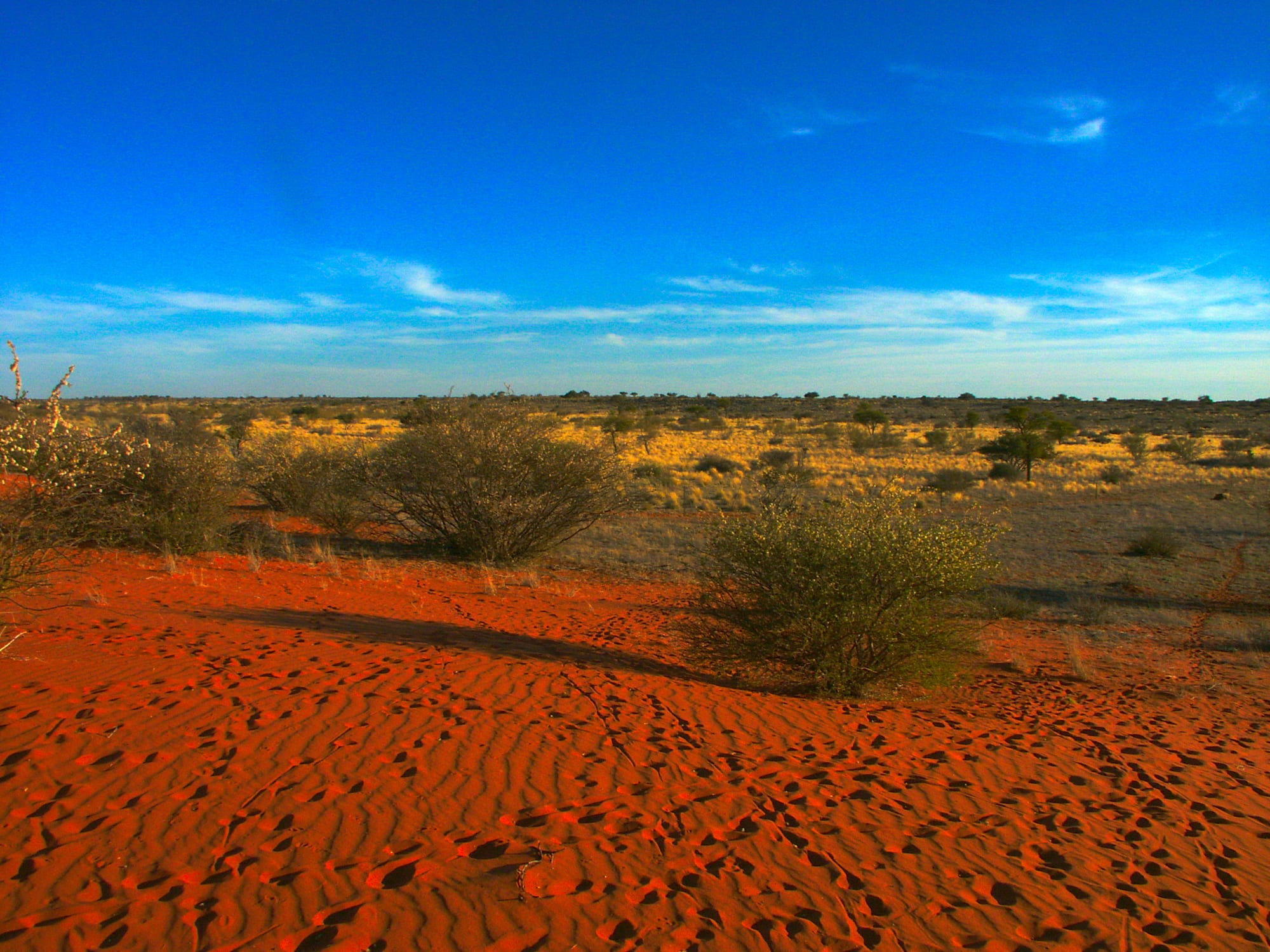
Contexto · el desierto del Kalahari, en la frontera Sudáfrica–Botsuana
Kalahari PICT0036.JPG · Wikimedia Commons · CC BY-SA 2.5 · abrir original
UFO Afrinews n.º 3 (junio de 1990), pp. 5-13: Cynthia Hind, «UFO crash on Botswana/South African border (caso n.º 21)»
El primer examen publicado de los documentos, por Cynthia Hind en su boletín. Resume lo que dice el papel que circuló, con la primera página en papel «Top Secret» de la SAAF: la fragata «White Swan» detectó el objeto a las 13.45 del 7 de mayo, dos Mirage al mando de un «Squadron Leader Jones» le dispararon con un cañón láser «Thor 2», cayó 70 km dentro de Botsuana y el 23 de junio fue enviado con dos ocupantes a Wright-Patterson. Enumera los fallos que señalaron Hind, Maria Sullivan y David Powell (ortografía, un rango que no existe en la SAAF, Valhalla, la autonomía de los Mirage) y cuenta lo que supo de James van Greunen. Boletín con derechos de autor: se enlaza.
Cynthia Hind, UFO Afrinews n.º 3 (1990), vía archive.org · ver fuente
La noche en cuestión
El supuesto incidente del Kalahari es, en apariencia, un caso de 'recuperación de nave estrellada' (crash retrieval) de manual: el 7 de mayo de 1989, un objeto no identificado habría penetrado el espacio aéreo sudafricano a gran velocidad; cazas Mirage de la Fuerza Aérea Sudafricana (SAAF) lo habrían interceptado y disparado contra él, y el objeto, tras ser alcanzado, se habría precipitado en el desierto, a unos ochenta kilómetros al norte de la frontera entre Sudáfrica y Botsuana (setenta, en la revisión que el propio Van Greunen hizo en 1990). Según el texto de los propios documentos, la fragata Tafelberg (la «White Swan», en el resumen que publicó Cynthia Hind en 1990) lo detectó por radar a las 13.45, dos Mirage despegaron y el jefe de la pareja le disparó con un supuesto «cañón láser Thor 2»; la nave y sus ocupantes habrían sido enviados el 23 de junio a la base de Wright-Patterson, en Estados Unidos. Según la versión, equipos militares recuperaron la nave (descrita como discoidal) y dos ocupantes no humanos vivos, trasladados a una instalación segura. La historia combinaba todos los ingredientes del mito de Roswell con el atractivo de proceder, supuestamente, de documentos militares filtrados.
“ entero en la literatura, donde se cita y recicla durante años incluso después de ser desmentido. Que sobreviva en colecciones de ”
La historia salió primero a la prensa británica: el Evening Post del 23 de septiembre de 1989 contó que un oficial de inteligencia sudafricano había mostrado el material a Henry Azadehdel, que después firmaría como «Armen Victorian». Pero los documentos que circularon descansan sobre un único proveedor: James van Greunen, que aportó una serie de documentos presentados como militares sudafricanos. Cuando esos documentos fueron examinados de cerca, se los halló fraudulentos: errores de formato, sellos y referencias que no correspondían, y detalles incompatibles con los procedimientos reales de la SAAF. Confrontado, Van Greunen admitió haber falsificado parte del material, aunque insistió en que el núcleo (un objeto derribado en la frontera) era cierto y se lo habría contado en confianza un amigo piloto de la SAAF que lo habría oído en el comedor de oficiales. Según el informe de Michael Hesemann que Hind cita en «UFO Afrinews» n.º 5, Van Greunen acabó admitiendo que nunca fue capitán de la SAAF ni participó en el incidente, que «eran cosas que me contaron», y nombró como fuentes a un capitán real de la inteligencia de la SAAF y a un profesor de la Universidad de Sudáfrica. Esa retirada a una fuente de tercera mano, no verificable, es la marca típica del fraude que se desmorona. Hind aclaró, con todo, en el número 4 (1991) que llamaba fraude a lo que Van Greunen contaba de los hechos, que no negaba que algo hubiera ocurrido en la frontera, y aún en enero de 1992 mantenía el caso abierto: ni siquiera había prueba firme de la fecha, que podía ser de 1988 o de 1989.
El desmontaje más autorizado vino de dentro de la propia ufología africana. Cynthia Hind, investigadora de Zimbabue de reputación internacional, dedicó al caso un artículo titulado 'Anatomía de un fraude: el crash OVNI en la frontera Sudáfrica/Botsuana', que documenta paso a paso cómo Van Greunen originó y propagó un engaño elaborado. Hind, que había servido tres años en la Fuerza Aérea sudafricana, argumentó que ningún oficial de la SAAF habría aprobado un documento con tantos errores de ortografía y de terminología militar. En «UFO Afrinews» n.º 3 (junio de 1990) Hind enumeró fallos concretos del relato: Pretoria es una ciudad, no una base aérea; Valhalla era una base de instrucción y administración, y la más cercana, Swartkops, solo tenía aviones de hélice porque su pista era corta para reactores; el «cañón láser Thor 2» era muy dudoso, y unos Mirage, con su escaso combustible, no podían dar vueltas sobre la zona hasta completar una recuperación de varios días; la conferencia que Van Greunen había anunciado para el 29 de diciembre de 1989 en Johannesburgo no llegó a celebrarse: según Cynthia Hind, más de veinte personas acudieron con entrada y él no apareció, y después dijo que no había cobrado ese dinero. La mayoría de los investigadores (escépticos y creyentes) concluye que el incidente del Kalahari no ocurrió tal como se contó, y que su 'evidencia' fue fabricada.
El caso ilustra la mecánica del fraude documental en la era previa a internet. El Kalahari muestra cómo un único individuo, aportando papeles de aspecto oficial y una narrativa que encaja con las expectativas del público, puede inyectar un 'caso' entero en la literatura, donde se cita y recicla durante años incluso después de ser desmentido. Que sobreviva en colecciones de 'mejores casos' pese a su desmontaje es, en sí mismo, un dato sobre la dificultad de matar un mito una vez impreso. Se clasifica como posible fraude, aunque no todos los ufólogos lo aceptan: el alemán Michael Hesemann sostuvo que los documentos eran falsos pero los hechos que describen, exactos en lo esencial.
Por qué importa
El Kalahari importa como caso de control sobre el fraude documental, no como evidencia de un derribo. Es un relato de 'crash retrieval' completo (intercepción, derribo, recuperación de nave y ocupantes) y desmontado: documentos falsificados, un único proveedor (Van Greunen) que admitió la falsificación, sin registro de la SAAF citado y sin segundo testigo. Su valor es metodológico: junto a Maury Island y Dulce, forma la serie de casos donde el candidato más plausible es el fraude y donde lo instructivo es el cómo se determinó (el trabajo de Cynthia Hind es un modelo de desmontaje desde dentro del propio campo). Catalogarlo explícitamente cumple una función de higiene: deja en el registro que un caso citado durante años como prueba de recuperación es, en realidad, el ejemplo de cómo se fabrica esa prueba.
Lo que queda en papel
Evidencia documentada
- Afirmación de intercepción y derribo por cazas Mirage de la SAAF el 7 may 1989, con recuperación de nave y dos ocupantes.
- Documentos 'militares' aportados por James van Greunen examinados y hallados fraudulentos (formato, sellos, referencias incompatibles con la SAAF).
- Admisión del propio Van Greunen de haber falsificado parte del material; retirada a una fuente de tercera mano no verificable.
- Artículo 'Anatomía de un fraude' de la investigadora Cynthia Hind, que documenta el engaño paso a paso.
- Van Greunen fue la única fuente de los documentos; Hind enumeró en 1990 sus errores de bases, aviones y terminología, y según Hesemann él admitió no haber participado en el incidente.
Fuentes
- The Kalahari Incident — A Bizarre Truth From Forged Documents (UFO Insight) — Resumen del caso y del desmontaje de los documentos falsificados.
- Hind, Cynthia — 'Anatomy of a hoax: The UFO crash on the South African/Botswana border' — Investigación de referencia que expone a Van Greunen como originador del fraude.
- Giacomo Casale — «L'UFO crash sudafricano del 1989» (USAC) — Fuente secundaria: resume el texto de los documentos, la investigación de Cynthia Hind y la tesis de Hesemann.
- Hind, Cynthia — «UFO Afrinews» n.º 5 (enero de 1992), caso n.º 21 (archive.org) — Informes de la investigadora en su propio boletín: los errores de los documentos, la admisión de Van Greunen según Hesemann y su decisión de mantener abierto el caso por si el engaño se apoyaba en algo real.
- Hind, Cynthia — «UFO Afrinews» n.º 3 (junio de 1990), «UFO crash on Botswana/South African border» (archive.org) — Primer informe: la versión de Azadehdel y la lista de objeciones técnicas a los documentos.
Fisionomía de la entidad (1)
Citado por 1 caso
Casos relacionados