1979·Dulce, Nuevo México (Mesa Archuleta)
Estados Unidos.Dulce · Phil Schneider
El ingeniero geólogo Phil Schneider afirmó en conferencias (1995–96) haber sobrevivido a un tiroteo en 1979 contra seres no humanos en una base subterránea bajo Dulce (Nuevo México), con 66 muertos según él. Mostraba cicatrices como 'prueba'. Sus credenciales nunca se verificaron y las fuentes consultadas no aportan evidencia documental de la base ni del incidente. Murió en 1996; el médico forense dictaminó suicidio, y su exesposa sostuvo que fue un homicidio. Es el arquetipo del 'testigo interno' de bases subterráneas (DUMBs) sin corroboración.
Tier B · IndiciarioContactado¿Qué significan? →
Evidencia limitada: un solo testigo, un testimonio recogido años después o un relato sin documentación primaria de la época.
Qué fue
79%causa natural o humana
Explicación más probable: causa médica o neurológica
Ver el reparto entre las seis explicaciones
Causa natural o humana
Sin causa conocida
Documentos primarios
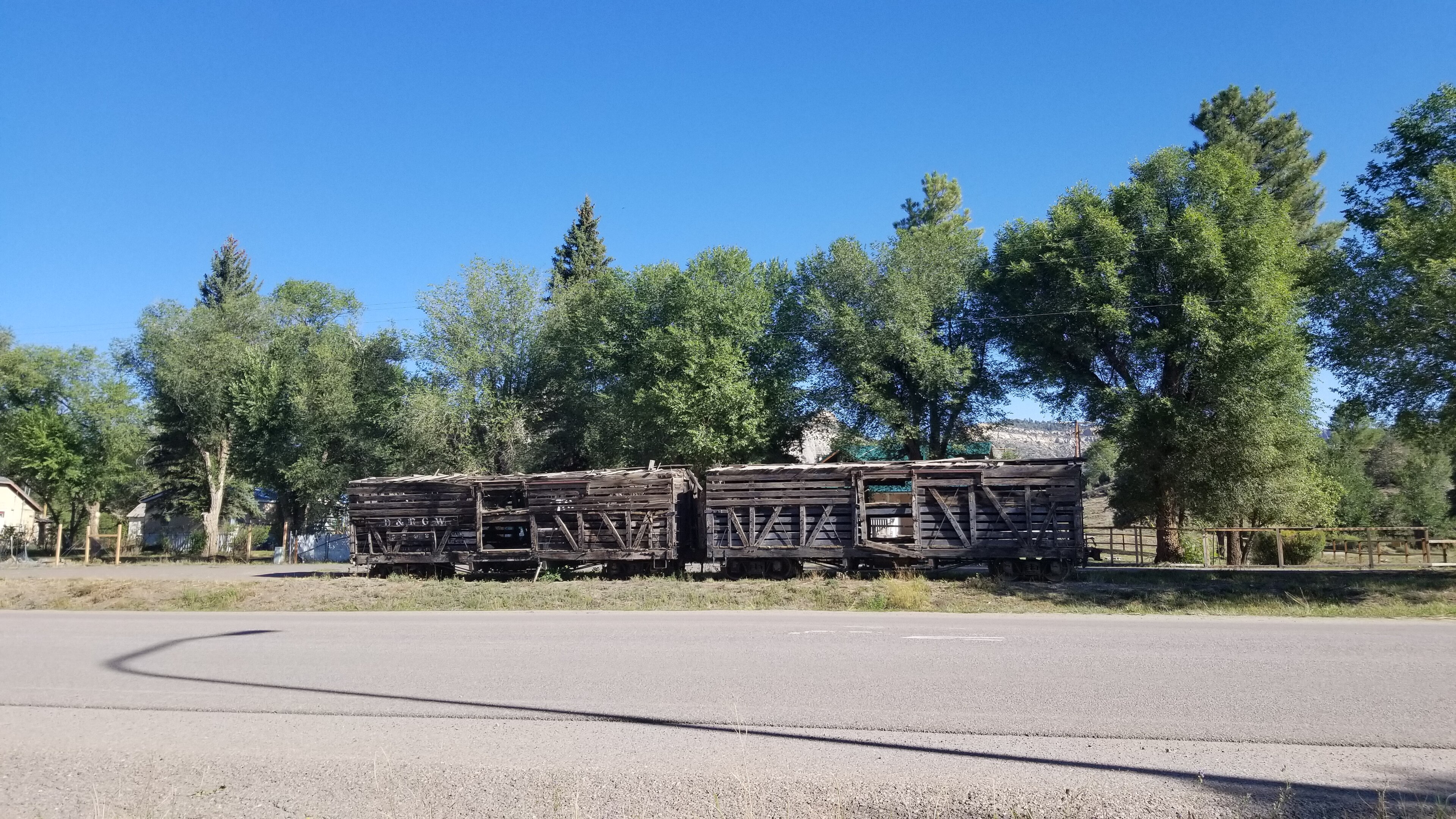
Contexto · Dulce (Nuevo México), al pie de la Mesa Archuleta
D&RGW Boxcars At Dulce, New Mexico.jpg · Wikimedia Commons · CC BY 3.0 · abrir original
Phil Schneider, «UFOs and Cattle Cars» · transcripción de la conferencia de mayo de 1995
Transcripción de la conferencia que Phil Schneider dio en mayo de 1995, la fuente primaria de su relato, publicada en zianet.com con una introducción anónima que da por hecho su asesinato. En ella Schneider afirma haber ayudado a construir la base de Dulce, haber participado en 1979 en un tiroteo con «humanoides alienígenas» en el que murieron «sesenta y seis agentes del Servicio Secreto, del FBI, boinas negras y similares», y ser uno de tres supervivientes. Atribuye el choque al «Tratado de Greada» de 1954, dice haber recibido «radiación de cobalto» y habla de 129 bases subterráneas y de una autorización «Ryolite-38». Es el testimonio, no una corroboración.
zianet.com (transcripción sin autor declarado) · ver fuente
La noche en cuestión
La historia de Dulce descansa, en su forma más conocida, sobre el testimonio de un solo hombre: Philip Schneider (1947–1996), que se presentaba como ingeniero geólogo y estructural con reputación en proyectos militares y aeroespaciales, y que decía haber ayudado a perforar y construir «bases militares subterráneas profundas» (DUMBs, por sus siglas en inglés) para empresas como Morrison-Knudsen y EG&G. En la conferencia de mayo de 1995 cuya transcripción circula con el título «UFOs and Cattle Cars», dijo haber ayudado a construir dos bases importantes en Estados Unidos, la primera la de Dulce, en el norte de Nuevo México, y haber ahuecado más de trece en total, además de trabajar en el «proyecto Malta», en Alemania Occidental, España e Italia. Según él, había 129 bases de ese tipo en el país, ciudades subterráneas de más de una milla de profundidad media, unidas por trenes magnéticos que alcanzaban Mach 2.
El tiroteo de Dulce, contó, ocurrió «por accidente» en 1979, en el marco de un tratado que el gobierno de Eisenhower habría firmado en 1954 con entidades alienígenas, el «Tratado de Greada»: los seres podían llevarse algunas vacas y probar sus técnicas de implantes en unos pocos humanos a cambio de información, hasta que, dijo, fueron alterando el trato. Schneider participaba en la ampliación de la que describió como probablemente la base más profunda, con siete niveles y más de dos millas y media (unos cuatro kilómetros). Se habían perforado cuatro pozos en el desierto para unirlos y volar grandes secciones de roca de una vez, y su trabajo era bajar a revisar las muestras y recomendar el explosivo adecuado para cada roca. Al bajar se encontraron, dijo, en una gran caverna llena de «grises grandes», que vivían en el planeta desde hacía quizá un millón de años. Schneider contó que mató a dos de ellos; que abajo había unas 30 personas, a las que se sumaron otras 40 al empezar el tiroteo, y que murieron «sesenta y seis agentes del Servicio Secreto, del FBI, boinas negras y similares». Él era uno de tres supervivientes, «el único que habla»; los otros dos, aseguró, estaban «bajo estrecha vigilancia».
Lo que vivió después, según su relato, lo marcó el resto de su vida. Un arma de los seres, «una caja» que llevaban sobre el cuerpo, le abrió un agujero en el pecho y le dio «una dosis desagradable de radiación de cobalto», de la que atribuía el cáncer que decía tener y que, calculaba, podía darle seis meses más de vida. En sus charlas exhibía una mano con cicatrices y heridas en el pecho como prueba. Tras unos dos años de recuperación volvió a trabajar para Morrison-Knudsen, EG&G y otras empresas, y fue en Área 51, dijo, donde se interesó por la tecnología de los platillos, que comparó con la historia de Bob Lazar. Contó que hasta unas semanas antes de la charla tuvo una autorización de seguridad «Ryolite-38», y que la cortó y devolvió su tarjeta al gobierno, con la amenaza de subir a internet 140.000 páginas de documentación si lo amenazaban, algo que decía que ya había ocurrido. Aseguró haber dado 19 charlas ante unas 45.000 personas, que once de sus mejores amigos habían sido asesinados en 22 años, ocho de ellos como «suicidios», y que cerca de Needles, en California, dos furgonetas del gobierno con placas G-14, una con un ocupante armado con una Uzi, lo siguieron hasta que él frenó en medio del camino; los vehículos lo rodearon por ambos lados y se fueron por un barranco.
Su discurso entrelazaba el episodio de Dulce con un relato mucho más amplio: un padre, Otto Oscar Schneider, excapitán de submarino alemán repatriado a Estados Unidos que habría trabajado en la bomba atómica y en el Experimento Filadelfia, un presupuesto secreto de 1,25 billones de dólares al año, los aparatos furtivos construidos a partir de discos estrellados, la «guerra de las galaxias» como parapeto contra un ataque alienígena y 107.200 vagones ferroviarios con grilletes. También hablaba del sida como arma biológica, de 64.000 helicópteros negros, de un dispositivo de terremotos «tipo Tesla» y de una bomba nuclear pequeña en el atentado del World Trade Center, sobre el que decía haber hecho un informe. El atractivo del testimonio era su especificidad y la convicción del orador; su debilidad, que nada de lo sustancial podía comprobarse.
El expediente escéptico es contundente. Las credenciales de Schneider nunca se verificaron de forma independiente: no hay registro confirmado de los empleos, contratos ni autorizaciones de seguridad que decía haber tenido. Las fuentes consultadas no aportan documentación primaria (planos, contratos, partes de baja, registros médicos militares) de una base bajo Dulce ni de un tiroteo con sesenta y seis muertos, un evento que, de ser real, habría dejado un rastro administrativo enorme. La idea misma de Dulce como base alienígena se remonta a la campaña de desinformación que agencias estadounidenses dirigieron en los años ochenta contra el empresario Paul Bennewitz (un caso documentado de manipulación que sembró buena parte del mito), lo que sugiere que Schneider construyó su relato sobre una leyenda preexistente más que sobre una experiencia. Las cicatrices, sin un expediente médico que las fechara y explicara, no prueban su origen, y los documentos obtenidos por la ley de acceso a la información tras su muerte apuntan a otro: estuvo internado por esquizofrenia en el hospital estatal de Dammasch (Oregón) entre julio de 1968 y enero de 1969, tenía antecedentes de autolesiones y se había amputado dos dedos él mismo.
La excepción a la naturaleza puramente narrativa del caso es su muerte. El 17 de enero de 1996, Schneider fue hallado muerto en su apartamento de Wilsonville (Oregón), con un tubo de goma (un catéter quirúrgico) alrededor del cuello; según la carta que su exesposa escribió en noviembre de ese año, llevaba muerto probablemente desde el 11 de enero, y «el médico forense ha establecido el suicidio». La autopsia la hizo la doctora Karen Gunson, y su entrada de Wikipedia, que atribuye la muerte a un derrame cerebral, choca con ese dictamen. Su exesposa, Cynthia Drayer, escribió a las autoridades y a otros investigadores alegando inconsistencias: entre ellas, que no se hallaron huellas dactilares de Schneider en el tubo, pese a que una autoestrangulación habría requerido manipularlo. Esa anomalía mantiene abierta, para algunos, la hipótesis del homicidio que ella sugirió, y que Greg Valdez y Norio Hayakawa descartan. Conviene separar las dos cuestiones: que su muerte tenga aspectos no resueltos no valida retroactivamente sus afirmaciones sobre Dulce, que siguen sin una sola pieza de corroboración. El caso es, por tanto, doble: una declaración extraordinaria sin evidencia, y una muerte con preguntas forenses legítimas pero independientes del contenido del relato.
Por qué importa
Dulce/Schneider importa como arquetipo, no como evidencia: es el caso de manual del 'testigo interno' de bases subterráneas (DUMBs) (un orador convincente, una historia específica de combate con no humanos, cicatrices exhibidas como prueba) sin una sola pieza verificable detrás. Su valor es doble. Primero, ancla en una ficha la familia de afirmaciones de 'insiders' que recorre la cultura UAP, dejando explícito su patrón: credenciales no verificadas, ausencia de rastro documental para eventos que lo habrían dejado, y dependencia de una leyenda previa (la desinformación contra Bennewitz). Segundo, separa con disciplina dos cosas que el folclore funde: las afirmaciones de Schneider, sin corroboración, y su muerte, con anomalías forenses reales pero independientes. Su explicación prosaica es psicológica o médica: tras su muerte, su exesposa contó que padecía esquizofrenia paranoide, y tanto escépticos como ufólogos, entre ellos Greg Valdez y Norio Hayakawa, han leído sus afirmaciones como delirios construidos sobre la historia de Dulce que John Lear difundía desde los años ochenta. Incluirlo no da crédito a Dulce: lo cataloga, igual que Maury Island cataloga a los 'hombres de negro', un recordatorio de cómo se fabrica y sostiene un mito de base subterránea.
Lo que queda en papel
Evidencia documentada
- Conferencias públicas de Phil Schneider (1995–96): en la de mayo de 1995 afirmó un tiroteo en 1979 bajo Dulce con 66 muertos y tres supervivientes, y una herida en el pecho con «radiación de cobalto»; cicatrices exhibidas como 'prueba'.
- Credenciales y autorizaciones de seguridad nunca verificadas de forma independiente.
- Las fuentes consultadas no aportan documentación primaria de la base ni del incidente (planos, contratos, partes de baja, registros médicos).
- El mito de Dulce se origina en la campaña de desinformación de los años 80 contra Paul Bennewitz, leyenda preexistente sobre la que se montó el relato.
- Muerte de Schneider (hallado el 17 ene 1996): el médico forense dictaminó suicidio, según la carta de su exesposa de noviembre de 1996 (Wikipedia habla de un derrame cerebral); ella sostuvo que fue un homicidio (sin huellas en el catéter), lo que Valdez y Hayakawa descartan, cuestión independiente del relato de Dulce.
Ver 3 evidencias más
- Su exesposa declaró en 1999 que Schneider padecía esquizofrenia paranoide; Greg Valdez y Norio Hayakawa leen sus afirmaciones como delirios basados en los relatos de John Lear
- Documentos obtenidos tras su muerte: internamiento por esquizofrenia en el hospital estatal de Dammasch (jul 1968 - ene 1969), antecedentes de autolesiones y amputación de dos de sus propios dedos
- Persecución que Schneider decía haber sufrido en su charla de 1995: furgonetas del gobierno con placas G-14 cerca de Needles, once amigos asesinados en 22 años (ocho como «suicidios») y amenazas por sus charlas.
Fuentes
- Phil Schneider — Wikipedia — Fuente secundaria: biografía; su atribución de la muerte a un derrame choca con el dictamen forense de suicidio.
- Bishop, Greg — 'Project Beta' (sobre la desinformación contra Paul Bennewitz) — Documenta el origen del mito de Dulce en una operación de desinformación de inteligencia de EE.UU.
- Phil Schneider — transcripción de la conferencia de mayo de 1995 («UFOs and Cattle Cars») — Transcripción alojada en un sitio ufológico, con una introducción del editor que da por hecho que fue asesinado; no se contrastó con la grabación. De aquí salen las citas y cifras de su relato.
- Cynthia Schneider Drayer — cartas del 23 de noviembre de 1996 sobre la muerte de Schneider (alt.paranet.abduct) — Fecha el hallazgo (17 ene) y la muerte probable (11 ene) y recoge que el forense estableció el suicidio, que ella disputa.
- Norio Hayakawa — «Phil Schneider's Dulce base delusions» (2015) — Fuente secundaria: autopsia de la doctora Gunson (suicidio) y crítica de Greg Valdez a la teoría del homicidio.
Fisionomía de la entidad (1)
Casos relacionados
mismo objeto · mismo país
Eagle River · encuentro con ocupantes y tortitas
1961 · Tier B
mismo objeto · misma época
Robert Taylor · el único OVNI investigado como delito (Escocia, 1979)
1979 · Tier A
mismo objeto · misma época
L'Amarante · el objeto sobre el jardín de un biólogo en Nancy
1982 · Tier A
mismo objeto · misma época
Carlos de los Santos
1975 · Tier A
Actores asociados (1)