1883·Mitchell Flat, al este de Marfa, Texas
Estados Unidos.Luces de Marfa · Texas
Desde fines del siglo XIX, viajeros y residentes del oeste de Texas describen luces difusas que aparecen de noche sobre el llano de Mitchell Flat, al este de Marfa, hacia las montañas Chinati: orbes que parecen flotar, dividirse, fundirse y desplazarse. Las investigaciones sistemáticas, en particular un estudio de estudiantes de física de la Universidad de Texas en Dallas (2004), correlacionaron la mayoría de las luces con faros de vehículos en la US-67 entre Marfa y Presidio, refractados por inversiones térmicas del desierto, con una cola menor de reportes sin explicación cerrada.
Tier B · Indiciario¿Qué significan? →
Evidencia limitada: un solo testigo, un testimonio recogido años después o un relato sin documentación primaria de la época.
Qué fue
83%causa natural o humana
Explicación más probable: vehículo
Ver el reparto entre las seis explicaciones
Causa natural o humana
Sin causa conocida
Documentos primarios
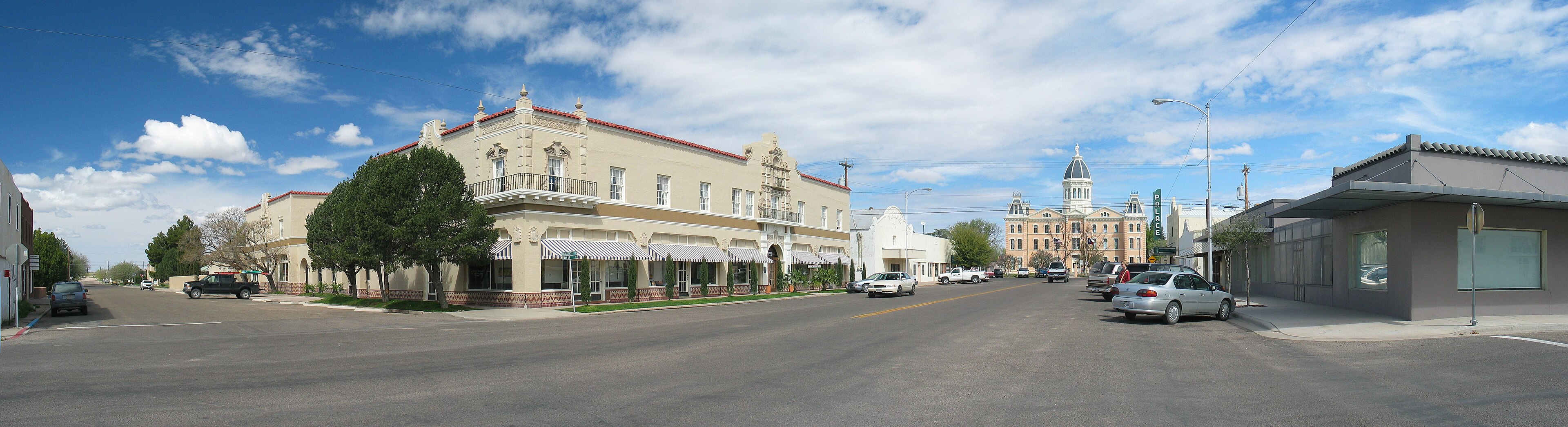
Contexto · Marfa (Texas), cerca de Mitchell Flat donde se ven las luces
USA Marfa pano TX.jpg · Wikimedia Commons · CC BY-SA 3.0 · abrir original
Paul Moran, «The Mystery of the Texas Ghost Light» · Coronet, julio de 1957
Artículo de Paul Moran en la revista Coronet (vol. 42, n.º 3, julio de 1957), uno de los primeros relatos de alcance nacional sobre la luz de Marfa. Describe una sola luz en las montañas Chinati, visible desde la carretera 90 entre Alpine y Marfa, que «los colonos reportaron por primera vez hace más de 70 años»; que se desvanece si se la busca por tierra o aire, se desplaza unos grados, a veces parece doble y a veces brilla más que un faro. Repasa la veta de mica, el gas de pantano y el espejismo, y objeta a este último que hace 70 años la luz más brillante de la zona era un farol de queroseno. No nombra a Robert Reed Ellison.
Coronet 42(3), julio de 1957 (archive.org) · ver fuente
La noche en cuestión
Las llamadas luces de Marfa son uno de los fenómenos luminosos recurrentes más conocidos de Estados Unidos. Se observan en el oeste de Texas, sobre la planicie semidesértica de Mitchell Flat, al este del pueblo de Marfa (condado de Presidio), mirando hacia las montañas Chinati. La tradición local fija el primer avistamiento en 1883, atribuido a un vaquero llamado Robert Reed Ellison, que habría visto luces parpadeantes y temido que fueran fogatas de apaches; pero el primer relato publicado de las luces, en la revista Coronet de julio de 1957, no menciona a Ellison ni esa fecha, y los reportes consistentes se acumulan a lo largo del siglo XX. Los testigos describen orbes (blancos, amarillentos o anaranjados) que aparecen cerca del horizonte, parecen flotar a media altura, se dividen en dos o más, se funden de nuevo, se desplazan lateralmente y se apagan, todo a una distancia de varios kilómetros y sin un sonido asociado.
La popularidad del fenómeno llevó al estado de Texas a construir un mirador oficial (Marfa Lights Viewing Area) sobre la carretera US-90, a unos 14 kilómetros al este del pueblo, donde cada noche se reúnen visitantes a esperar las luces. Esa institucionalización turística es parte de la historia del caso: las luces se convirtieron en un activo cultural y económico de la región, con festival anual incluido, lo que a su vez incentivó relatos y mantuvo viva la narrativa de misterio.
Las investigaciones más rigurosas apuntan en una dirección mayoritariamente prosaica. En 2004, un grupo de estudiantes de la Sociedad de Física de la Universidad de Texas en Dallas realizó una campaña de observación sistemática con telescopios y cámaras, registrando simultáneamente las luces y el tráfico vehicular. Encontraron una correlación estrecha entre las apariciones y los faros de automóviles que circulaban por la carretera US-67, que une Marfa con Presidio y cuyo trazado queda en la línea de visión del mirador. La clave física es la atmósfera del desierto: las fuertes inversiones térmicas nocturnas (aire frío y denso cerca del suelo bajo aire más cálido) crean conductos ópticos y espejismos que transportan, elevan, desdoblan y hacen titilar la luz de fuentes que de otro modo quedarían ocultas tras la curvatura del terreno o demasiado lejos para verse. Faros, luces de ranchos y fogatas distantes se transforman así en orbes aparentemente flotantes y móviles.
No todo el conjunto de reportes queda cerrado por esta explicación: existe una cola de avistamientos anteriores a la era del automóvil y de observaciones que algunos investigadores consideran no resueltas, y se han propuesto hipótesis secundarias (descargas de tipo plasma, piezoelectricidad de rocas, gases) sin confirmación robusta. Pero el peso de la evidencia sistemática favorece la identificación errónea de fuentes de luz reales bajo óptica atmosférica como mecanismo dominante.
Por qué importa
El caso de Marfa importa precisamente como ejemplo de calibración escéptica: un fenómeno luminoso famoso, recurrente y comercializado como misterio que, sometido a observación sistemática, se resuelve mayoritariamente como óptica atmosférica sobre fuentes de luz convencionales. Es la clase de caso que un catálogo serio debe incluir no para inflar el misterio, sino para mostrar dónde la evidencia empuja con fuerza hacia lo prosaico. Quedan sin cerrar los reportes anteriores al automóvil y los que ninguna campaña midió.
Su valor metodológico es doble. Primero, ancla el patrón de persistencia local sostenida (8g) en su versión prosaica: como Hessdalen o Popocatépetl, Marfa es un sitio que 'produce' luces de forma estable durante décadas, pero a diferencia de Hessdalen (donde hay residuo instrumentado genuinamente anómalo) en Marfa la campaña de medición apunta a una causa ordinaria. El contraste entre ambos es pedagógico: la recurrencia local no implica anomalía. Segundo, ilustra cómo la institucionalización turística (mirador oficial, festival) puede sostener y amplificar una narrativa de misterio mucho después de que la explicación física esté disponible, un factor sociológico que hay que tener en cuenta al ponderar reportes populares.
Una lectura atenta, entonces, no niega que la gente vea algo real (ve luces, y son luces reales, refractadas) sino que separa la observación del salto interpretativo. Marfa es un recordatorio de que el cielo nocturno sobre un desierto con inversiones térmicas es un proyector natural de espejismos, y de que la carga de la prueba para lo extraordinario no se satisface con la mera repetición de un avistamiento difuso a varios kilómetros de distancia.
Lo que queda en papel
Evidencia documentada
- Reportes de la tradición local desde fines del siglo XIX (el avistamiento de 1883 atribuido a Robert Reed Ellison es el más citado, pero no figura en el primer relato publicado, Coronet, julio de 1957)
- Mirador oficial del estado de Texas (Marfa Lights Viewing Area) sobre la carretera US-90, con afluencia turística nocturna sostenida
- Estudio de la Sociedad de Física de la Universidad de Texas en Dallas (2004): observación simultánea de luces y tráfico que correlaciona las apariciones con faros sobre la carretera US-67
- Mecanismo físico documentado: inversiones térmicas nocturnas en el desierto que producen conductos ópticos y espejismos (Fata Morgana) capaces de elevar y desdoblar luz de fuentes distantes
- Cola no cerrada: reportes anteriores a la era del automóvil e hipótesis secundarias (plasma, piezoelectricidad) sin confirmación robusta
Fuentes
- University of Texas at Dallas — Society of Physics Students, estudio de las Luces de Marfa (2004) — Campaña de observación que correlaciona las luces con faros sobre la carretera US-67.
- Texas State Highway / Marfa Lights Viewing Area — registro del mirador oficial — Documenta la institucionalización del fenómeno como atractivo turístico.
- Texas Monthly / cobertura periodística histórica de las Luces de Marfa — Recoge la tradición desde 1883 y el debate sobre las explicaciones.
- K. D. Stephan, J. Bunnell et al., «Quantitative intensity and location measurements of an intense long-duration luminous object near Marfa, Texas», Journal of Atmospheric and Solar-Terrestrial Physics 73 (2011)
- Wikipedia — «Marfa lights»
- Paul Moran, «The Mystery of the Texas Ghost Light», Coronet 42(3), julio de 1957 (primer relato publicado)
Casos relacionados
misma explicación · mismo país
Luces de Brown Mountain · Carolina del Norte
1913 · Tier B
misma explicación · mismo país
Nash-Fortenberry · dos pilotos de Pan Am (Virginia)
1952 · Tier A
misma explicación · mismo país
Haynesville · luz pulsante y corteza quemada
1966 · Tier B
misma explicación · mismo país
Esfera Betz · Isla Fort George
1974 · Tier B