1838·Channel Country, entre Boulia y Winton, Queensland
Australia.Luces Min Min · outback australiano
En las llanuras del Channel Country, en el oeste de Queensland (Australia), viajeros relatan desde el siglo XIX una luz, la «Min Min», que aparece de noche, parece seguir a quien la observa, mantiene la distancia y se desvanece al acercarse. El nombre viene de un hotel desaparecido entre Boulia y Winton.
Seguir leyendo el resumen
En 2003, el neurocientífico Jack Pettigrew propuso que es un espejismo de tipo Fata Morgana: luz de fuentes reales muy distantes canalizada por una inversión térmica sobre el suelo; su artículo concluye que esa óptica explica «muchas» de sus propiedades extrañas si se tienen en cuenta también los factores humanos.
Tier B · Indiciario¿Qué significan? →
Evidencia limitada: un solo testigo, un testimonio recogido años después o un relato sin documentación primaria de la época.
Qué fue
85%causa natural o humana
Explicación más probable: óptico
Ver el reparto entre las seis explicaciones
Causa natural o humana
Sin causa conocida
Imagen de contexto (no es un documento del caso)
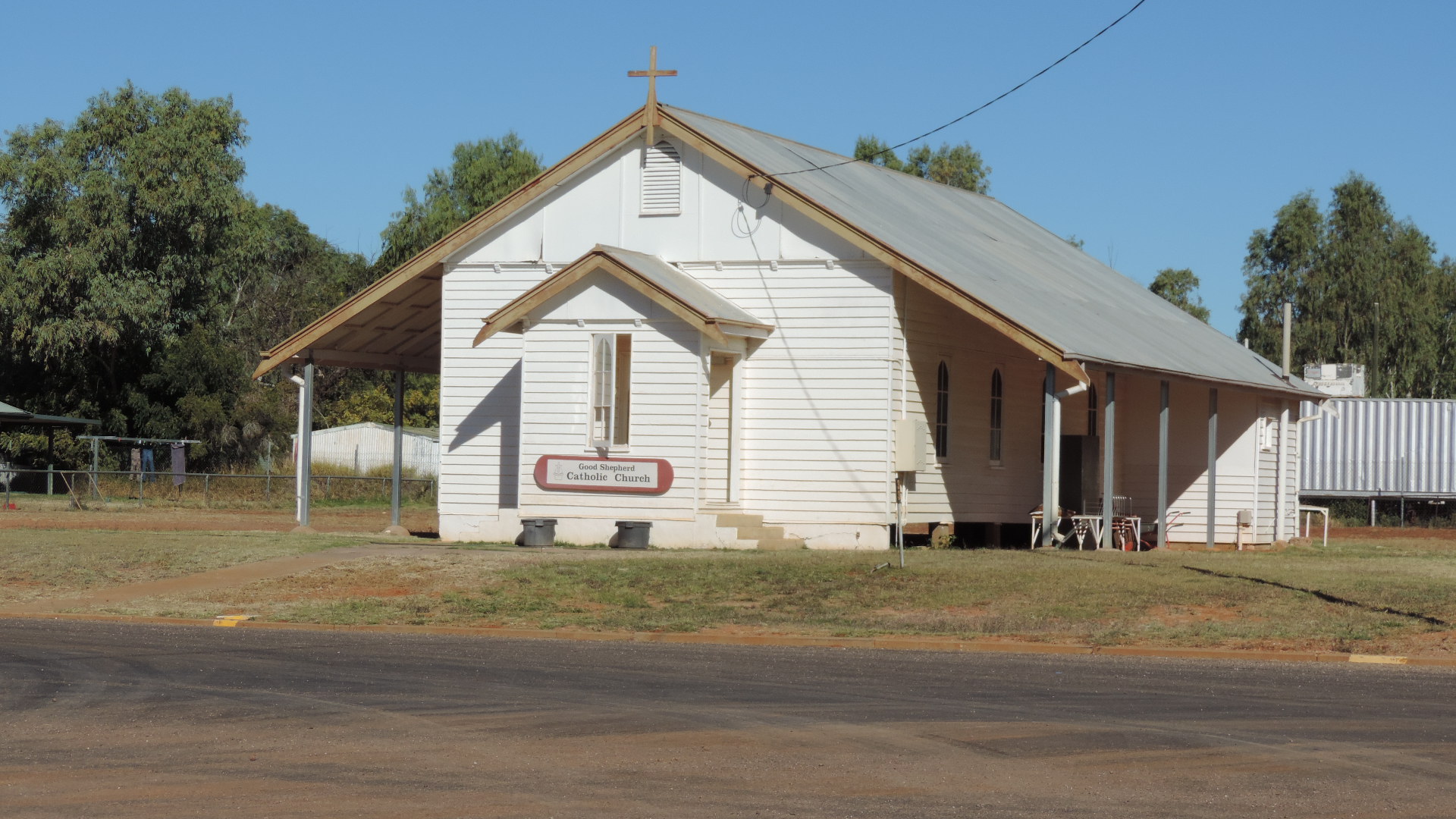
Contexto · Boulia (Queensland), en el Channel Country de las luces Min Min
Good Shepherd Catholic Church, Boulia, 2019.jpg · Wikimedia Commons · CC BY 4.0 · abrir original
La noche en cuestión
La luz Min Min es el fenómeno luminoso más célebre del folclore del outback australiano. Se asocia a las vastas y planas llanuras del Channel Country, en el oeste de Queensland, especialmente al corredor entre las localidades de Boulia y Winton. El nombre proviene del Min Min Hotel, una posada y estación de relevo de diligencias situada en esa ruta, que se incendió a comienzos del siglo XX y de la que hoy solo queda el cementerio cercano; según la tradición, fue allí donde se popularizaron los relatos. La tradición es, sin embargo, anterior: existen referencias en la cultura de los pueblos aborígenes de la zona, lo que sitúa el fenómeno mucho antes de la colonización europea, con una fecha temprana frecuentemente citada hacia 1838.
Los testigos (boyeros, camioneros, conductores nocturnos) describen una luz única, a veces descrita como un disco difuso o un globo luminoso, que aparece a baja altura sobre el horizonte llano. El rasgo distintivo es su comportamiento aparentemente intencional: la luz parece seguir al observador a lo largo de kilómetros, manteniendo siempre la distancia, y desaparece si uno intenta acercarse o cuando se aproxima demasiado. Ese comportamiento 'esquivo' es justamente lo que alimentó durante un siglo la interpretación sobrenatural (espíritus, presagios) en el imaginario del outback.
La explicación científica llegó de la mano del profesor Jack Pettigrew, neurocientífico de la Universidad de Queensland, en un trabajo publicado en 2003. Pettigrew propuso y demostró que la luz Min Min es un espejismo de tipo Fata Morgana: en las noches despejadas del desierto, una capa de aire frío y denso se asienta sobre el suelo bajo aire más cálido, creando un gradiente de densidad que actúa como una guía de ondas óptica. Esa capa puede transportar la luz de una fuente real (una fogata de un campamento, los faros de un vehículo u otra fuente natural o artificial) a lo largo de decenas o cientos de kilómetros, manteniéndola concentrada y haciéndola aparecer como un punto luminoso flotante. El aparente 'seguimiento' se explica porque la fuente está tan lejos que el paralaje es nulo: al moverse el observador, la luz refractada se mantiene en la misma dirección relativa, como hace la Luna. La primera vez que vio la luz, contó, la tomó por Venus, pero no se ponía: bajaba hasta el horizonte y se quedaba allí un buen rato. La idea del espejismo le vino de otra observación propia: una luz que él y dos colegas tomaron por el brillo de los ojos de un gato a unos cincuenta metros resultó estar, según calcularon con la brújula del coche, a más de 300 kilómetros, y después supieron que en ese momento un coche venía de frente hacia ellos. Pettigrew respaldó la hipótesis con un experimento de campo: en una noche fresca tras un día caluroso y con poco viento, se alejó unos diez kilómetros en coche, más allá de una pequeña elevación y por debajo de la línea de visión, y seis observadores vieron la luz del vehículo flotar sobre el horizonte. A la mañana siguiente, dijo, hubo una Fata Morgana espectacular de una sierra lejana que normalmente no se ve, lo que respaldaba que la luz se debía a las condiciones de esa noche. Los veteranos de la zona que había entrevistado, contó, estaban aterrados por la luz.
Según Pettigrew, el mecanismo explica muchos de los rasgos del relato clásico, siempre que se tengan en cuenta los factores humanos ante una luz aislada y sin referencias: la aparición sobre terreno plano (necesario para el ducto), el comportamiento esquivo (paralaje nulo), la desaparición al acercarse (se rompe la geometría del ducto) y la rareza del avistamiento (requiere condiciones atmosféricas específicas).
Por qué importa
La luz Min Min es un caso casi de manual de explicación natural completa: un fenómeno con un siglo largo de tradición, comportamiento aparentemente inteligente y carga cultural fuerte, que un experimento controlado reduce a óptica atmosférica sobre fuentes de luz reales. A diferencia de muchos casos donde la explicación mundana es una hipótesis plausible pero no demostrada, aquí Pettigrew reprodujo el efecto en una demostración de campo, aunque él mismo dice que explica «muchas» de sus propiedades, no todas, y quedan fuera los relatos que no encajan limpiamente en las condiciones del ducto.
Su valor en el catálogo es triple. Primero, completa geográficamente el patrón de persistencia local (8g) en el hemisferio sur y en un entorno (el outback) de horizontes planos ideales para el espejismo, complementando a Marfa (desierto de Texas) y Hessdalen (valle noruego). Segundo, es un buen ejemplo de cómo un comportamiento 'esquivo' que parece intencional (la luz que te sigue y huye) tiene una explicación geométrica trivial (paralaje nulo de una fuente lejanísima), desactivando una de las intuiciones más persistentes del testigo. Tercero, muestra el papel de la tradición oral: el fenómeno se transmitió con marco sobrenatural durante generaciones antes de que la física lo resolviera, recordando que la antigüedad y la repetición de un relato no añaden peso evidencial a la interpretación extraordinaria.
Una lectura atenta reconoce que los testigos ven una luz real (la ven de verdad) pero que el objeto que infieren no existe: es luz ordinaria viajando por un camino extraordinario. Min Min ancla, junto a Marfa, el principio de que la recurrencia de un avistamiento difuso sobre terreno propicio al espejismo es, por defecto, una señal de óptica atmosférica antes que de anomalía.
Lo que queda en papel
Evidencia documentada
- Tradición de más de un siglo en el corredor Boulia-Winton del Channel Country, con raíces en relatos aborígenes anteriores a la colonización (fecha temprana citada hacia 1838)
- Origen del nombre en el Min Min Hotel, posada de la ruta destruida por un incendio a comienzos del siglo XX
- Estudio de Jack Pettigrew (Universidad de Queensland, 2003): identifica el fenómeno como espejismo de tipo Fata Morgana por inversión térmica
- Experimento de campo de Pettigrew: la luz de un coche situado a unos 10 km, más allá de una elevación y por debajo de la línea de visión, vista por seis observadores flotando sobre el horizonte; en una observación anterior, una luz resultó estar a más de 300 km
- Según Pettigrew, la óptica explica «muchas» de las propiedades extrañas, teniendo en cuenta los factores humanos: aparición sobre terreno plano, 'seguimiento' por paralaje nulo, desaparición al acercarse y rareza por condiciones atmosféricas específicas
Fuentes
- J. D. Pettigrew, 'The Min Min light and the Fata Morgana', Clinical and Experimental Optometry (2003) — Artículo original (resumen en PubMed): observaciones directas y una demostración de campo en el Channel Country; la Fata Morgana explica «muchas» de las propiedades de la luz si se tienen en cuenta los factores humanos.
- University of Queensland — cobertura del trabajo de Jack Pettigrew sobre la luz Min Min — Resumen institucional del estudio y del experimento de campo.
- Registro folclórico del outback (corredor Boulia-Winton) sobre la luz Min Min — Documenta la tradición oral y el origen del nombre en el Min Min Hotel.
- ABC Science, «Mystery of the Min Min lights explained» (28 mar 2003) — Entrevista con Pettigrew: la observación de la luz a más de 300 km y el experimento con un coche a unos 10 km.
Casos relacionados