Caso Nº 96·Perú
2001·Fuerza Aérea del Perú, Lima
Perú.OIFAA / DIFAA · oficina FAP
La oficina oficial de la Fuerza Aérea del Perú para fenómenos aéreos anómalos: nacida a fines de los 90 como OIFAA (impulsada por el comandante Julio Chamorro), formalizada como DIFAA (Departamento de Investigación de Fenómenos Aéreos Anómalos) en 2001, cerrada en 2005 por presupuesto y reactivada en octubre de 2013. Investigó casos como la oleada de Chulucanas (2002), las 'luces' de Pucallpa (2008) y el doble avistamiento con radar frente al aeropuerto de Lima (2019). Completa el cuarteto de comisiones oficiales latinoamericanas junto a CRIDOVNI, CEFAA y CIAE.
Año
2001
Tier
A
Probabilidad
46%
Categoría
Documento
Evidencia institucional: múltiples testigos verificables o documentación oficial. Tres ejes independientes: el «tier» mide la fuerza de la evidencia; la «probabilidad» estima cuán genuinamente inexplicado está el caso —un fenómeno natural puede seguir sin explicación, así que no equivale a «no-prosaico»—; y la partición de explicaciones (abajo) dice qué fue más plausiblemente. Por eso un caso bien documentado puede tener como causa más plausible un posible fraude, y un Tier B no es, por eso, un fraude.
Documentos primarios · visor
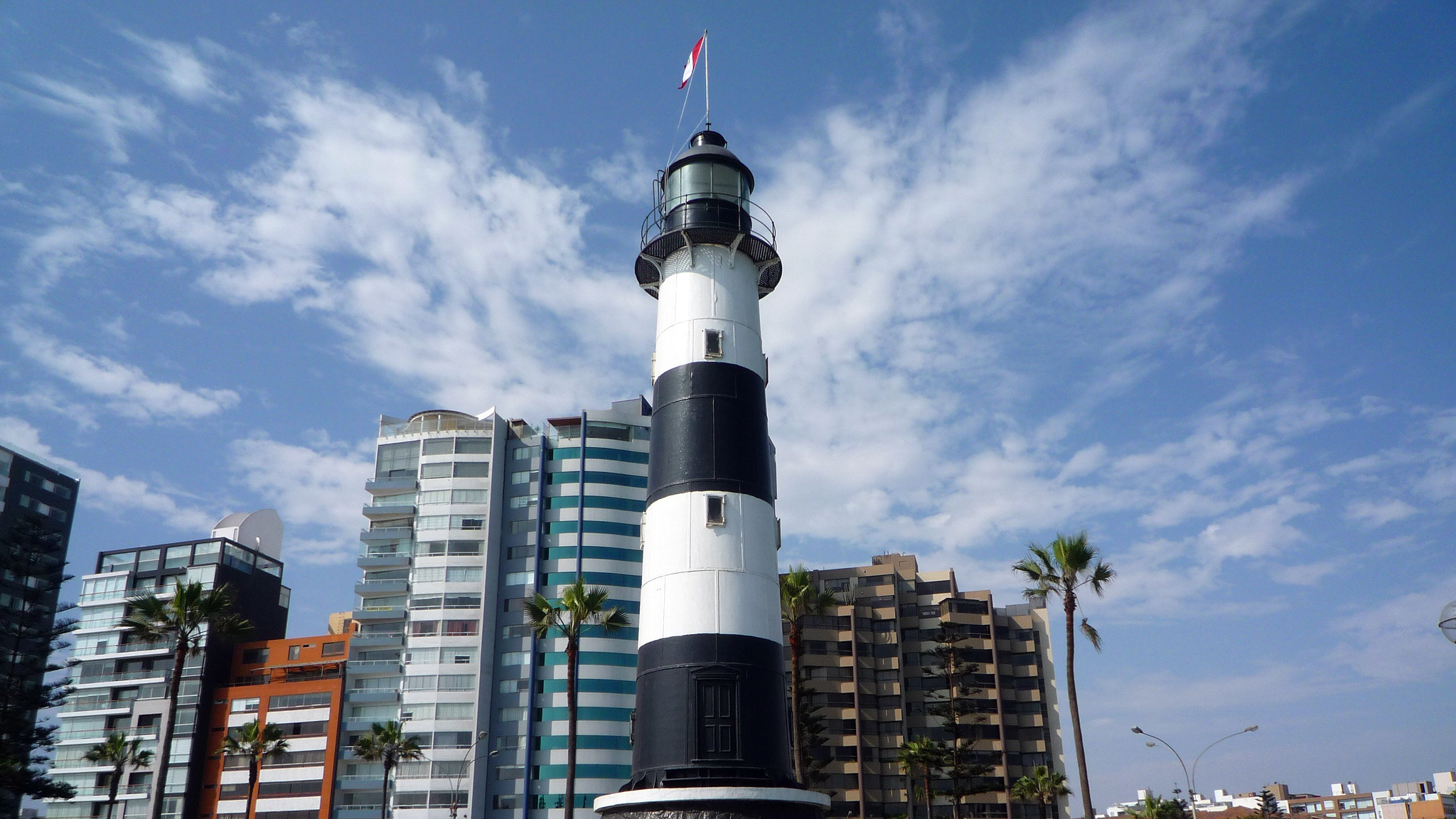
Contexto · Lima (Perú), sede de la Fuerza Aérea del Perú (OIFAA/DIFAA)
Miraflores Lima Peru cityscape.jpg · Wikimedia Commons · CC BY-SA 3.0 · abrir original
Parte 01
El expediente en cuestión
Perú fue uno de los primeros países latinoamericanos en darse una ventanilla estatal para el fenómeno OVNI. A fines de la década de 1990, por impulso del comandante FAP Julio César Chamorro, nació la OIFAA (Oficina de Investigación de Fenómenos Aéreos Anómalos) dentro de la Fuerza Aérea del Perú. En diciembre de 2001 se formalizó como DIFAA (Departamento de Investigación de Fenómenos Aéreos Anómalos), el nombre con el que ganó visibilidad pública. En esa etapa fundacional participó el abogado e investigador Anthony Choy, figura clave de la ufología peruana, que aportó metodología de campo y archivo de casos.
La primera gran prueba pública de la oficina fue la oleada de Chulucanas, en la provincia de Morropón (Piura), a fines de 2001: una serie de avistamientos de un objeto no identificado registrados en varios videos por un poblador local entre octubre y noviembre. La DIFAA realizó una investigación de campo cuyo informe —de más de ochenta páginas— fue elevado al alto mando en abril de 2002, un nivel de formalización inusual para un organismo de su tamaño. Más tarde investigó también episodios como las 'luces' de Pucallpa (2008).
La oficina tuvo una historia accidentada: cerró en 2005 por falta de presupuesto y permaneció inactiva varios años. En octubre de 2013, ante el aumento de avistamientos reportados —muchos por pilotos y controladores aéreos—, la FAP reactivó la DIFAA. La oficina convoca a especialistas civiles y militares (astrónomos, meteorólogos, psicólogos, personal aeronáutico) y evalúa cada denuncia con criterios técnicos: contraste con el tráfico aéreo conocido, astronomía, meteorología, análisis de imagen y, cuando existe, registro de radar.
A diferencia de organismos de tono marcadamente desacreditador, la DIFAA ha llegado a hablar públicamente de casos como genuinamente no identificados. El ejemplo más citado es el doble avistamiento del 27 de febrero de 2019 en el área del aeropuerto Jorge Chávez de Lima. Aquí conviene el matiz honesto: hubo versiones encontradas en la prensa —algunas notas hablaron de un desmentido de la FAP—, pero el investigador a cargo de la DIFAA, el coronel FAP Marco Barraza (también referido como Marcos Barraza), precisó a CNN que los objetos no estaban sobre la terminal sino sobre el mar, cerca de la isla San Lorenzo, y validó el episodio como un avistamiento real con respaldo de observación. Junto a la CRIDOVNI uruguaya, la CEFAA chilena y el CIAE argentino, la OIFAA/DIFAA es una de las cuatro oficinas oficiales que el corpus documenta como instituciones.
Parte 02
Por qué este caso movió la aguja
La OIFAA/DIFAA completa el cuarteto de comisiones oficiales latinoamericanas del corpus —CRIDOVNI (Uruguay), CEFAA (Chile), CIAE (Argentina)— y le da a Perú su pieza institucional propia, no solo a través de sus investigadores individuales. Su rasgo distintivo es doble. Primero, una historia frágil —creada a fines de los 90, formalizada en 2001, cerrada en 2005 por presupuesto y reactivada en 2013—, que ilustra con crudeza una constante del corpus: las oficinas estatales de UAP dependen menos de la fuerza de la evidencia que de la voluntad política y la línea presupuestaria del momento, y pueden encenderse y apagarse según el clima institucional. Segundo, un tono comparativamente abierto: frente a organismos que tienden a cerrar todo por defecto, la DIFAA ha llegado a hablar públicamente de casos sin explicación y a defender la realidad de un avistamiento (Lima 2019) en vez de archivarlo de oficio.
Ese contraste de tonos es justamente lo que hace valioso tener a las cuatro oficinas latinoamericanas como entidades en el corpus. Permite comparar cómo distintos Estados de la región procesan el mismo fenómeno con culturas institucionales diferentes: desde el estilo marcadamente desacreditador del CIAE argentino, pasando por la metodología técnica y prudente de la CEFAA chilena y la CRIDOVNI uruguaya, hasta la disposición más confirmatoria de la DIFAA peruana. La lección metodológica es importante: la 'postura oficial' sobre los UAP no es una sola, ni siquiera dentro de América Latina, y el grado de apertura de cada oficina depende tanto de su mandato y su gente como de los datos que examina. Perú, además, recuerda que el fenómeno y su tratamiento estatal son globales y anteceden por décadas al ciclo estadounidense reciente.
Parte 03
Lo que queda en papel
Evidencia documentada
- OIFAA creada a fines de los 90 (impulso del comandante FAP Julio Chamorro); formalizada como DIFAA en 2001
- Cierre en 2005 por presupuesto; reactivación por la FAP en octubre de 2013
- Investigaciones: oleada de Chulucanas (2002), 'luces' de Pucallpa (2008), doble avistamiento de Lima (2019)
- Validación pública del caso de radar de 2019 por su director, coronel FAP Marcos Barraza
Ubicación
Fuerza Aérea del Perú, Lima · -12.05°, -77.05°
Casos relacionados
Actores asociados (2)