2008·Caserío San Juan, cerca de Pucallpa (Ucayali)
Perú.Pucallpa · San Juan (luces que disparaban haces)
En abril de 2008, pobladores del caserío San Juan, cerca de Pucallpa (Amazonía peruana, Ucayali), reportaron 'luces' que sobrevolaban la zona de noche y disparaban haces de luz contra la gente, generando terror.
Seguir leyendo el resumen
Según una reconstrucción de divulgación ufológica, la OIFAA de la Fuerza Aérea del Perú recibió el reporte a través del comandante Julio César Chamorro, aunque otras fuentes sitúan la salida de Chamorro de la oficina años antes; la pesquisa civil la realizaron tres estudiantes de Ciencias de la Comunicación de la Universidad de Lima. Es un caso de baja documentación (principalmente testimonial y secundaria) que recuerda, a escala menor, al patrón de Colares.
Tier B · Indiciario¿Qué significan? →
Evidencia limitada: un solo testigo, un testimonio recogido años después o un relato sin documentación primaria de la época.
Qué fue
63%causa natural o humana
Lo más probable es una causa ordinaria que nadie ha identificado
Ver el reparto entre las seis explicaciones
Causa natural o humana
Sin causa conocida
Leer el porqué completo
La falta de un análisis publicado no es prueba contra una causa ordinaria: en su informe del año fiscal 2024, AARO dio por resueltos 174 casos, todos como objetos prosaicos, entre ellos globos, aves, drones, satélites y aviones. El mismo informe añade que «muchos otros casos siguen sin resolver», así que la cifra es la tasa entre los casos resueltos, no entre todos.Imagen de contexto (no es un documento del caso)
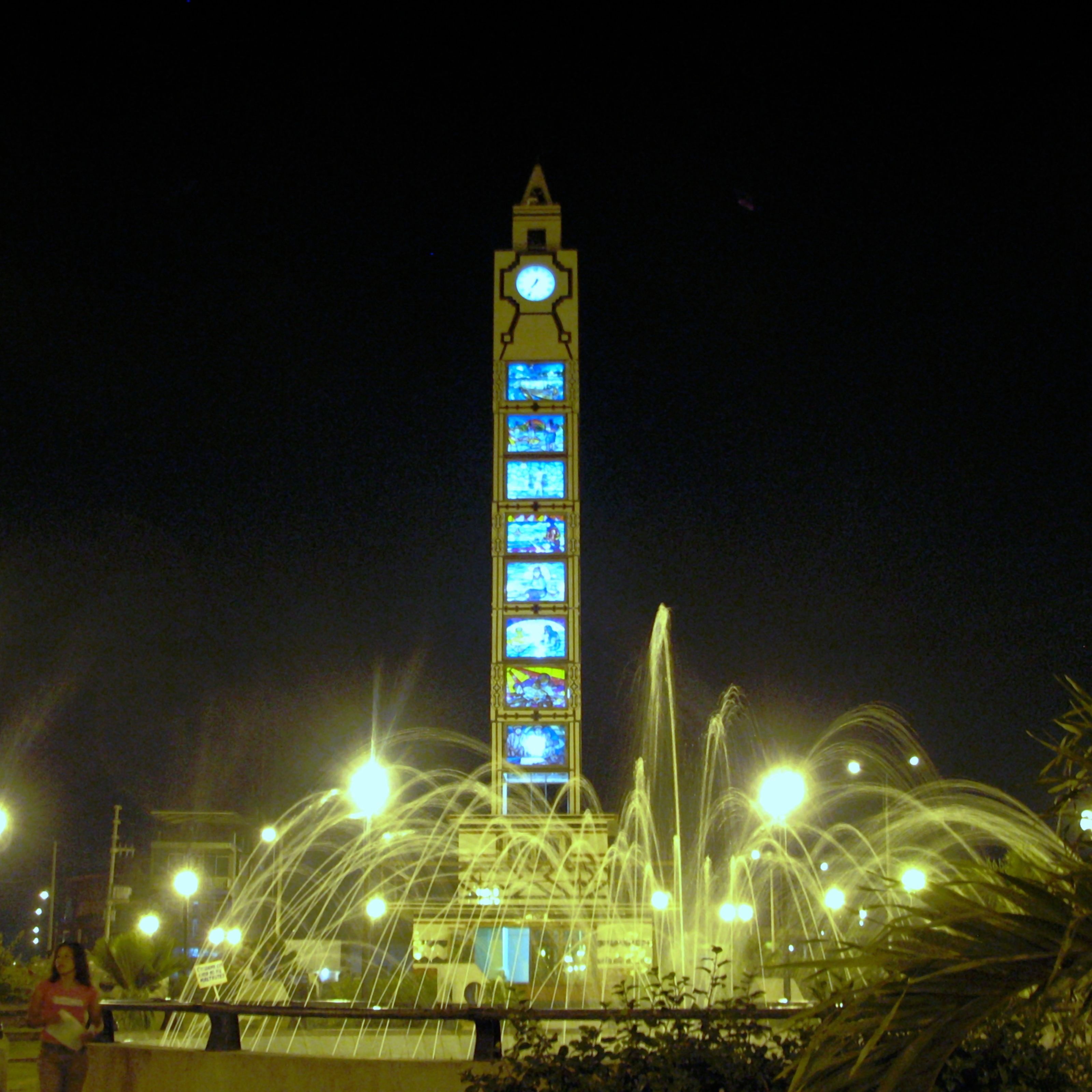
Contexto · Pucallpa (Ucayali, Perú)
Pucallpa Plaza San Martín Fountain by Night.jpg · Wikimedia Commons · CC BY-SA 3.0 · abrir original
La noche en cuestión
En abril de 2008, en el caserío San Juan, en los alrededores de Pucallpa (departamento de Ucayali, en la Amazonía peruana), los pobladores reportaron que durante varias noches 'luces' sobrevolaban la zona y proyectaban haces de luz dirigidos contra las personas. El relato (recogido por medios y por la ufología local) describe una población atemorizada, que asociaba las luces con una agresión nocturna recurrente y vivía el episodio como un acoso colectivo. Ese rasgo (luces que no solo se observan, sino que parecen 'atacar' a la gente con haces dirigidos) es el que lleva a comparar el caso, a menor escala, con el episodio brasileño de Colares (1977), donde pobladores de la isla de Colares denunciaron quemaduras y efectos físicos atribuidos a haces de luz nocturnos. La comparación es de patrón fenomenológico, no de magnitud ni de respaldo evidencial: Colares generó un expediente militar (la Operación Prato) con fotografías y dibujos; Pucallpa no alcanza ese nivel de documentación.
Según la reconstrucción publicada por el sitio Exploración OVNI (que la toma de tudiscovery.com), la OIFAA (Oficina de Investigación de Fenómenos Aéreos Anómalos) de la Fuerza Aérea del Perú recibió la denuncia a través del comandante Julio César Chamorro y ya tenía personal en la región; el mismo texto menciona un documento con sello oficial que pedía apoyo al comandante general de la IV Región Aérea Territorial para investigar, pero no lo reproduce ni lo fecha. Esa versión choca con otras fuentes (véase ↗): el archivo histórico de El Comercio afirma que Chamorro dejó la oficina tras unos dos años de gestión, iniciada en 2001, y la agencia estatal Andina escribió en 2013 que el área llevaba cinco años clausurada. El papel oficial de la FAP en Pucallpa queda, por tanto, sin confirmar; lo documentado es el vínculo personal de Chamorro con la pesquisa. El componente civil de la investigación lo aportaron tres estudiantes de la carrera de Ciencias de la Comunicación de la Universidad de Lima (Teresa Lucía Chamorro, hija del comandante; Martha Wong y Luciana Masías), que tomaron el caso como trabajo del curso 'Fundamentos de la Información', con el apoyo de Chamorro y de la oficina. Las estudiantes viajaron a la zona, recogieron testimonios de los pobladores y reunieron material que después describirían como una experiencia que transformó su manera de entender el fenómeno.
El material reunido se presentó públicamente en un congreso de ufología en Lima, donde el caso fue divulgado como 'el OVNI de Pucallpa'. A diferencia de Chulucanas (2001) o La Joya (1980), la documentación disponible es comparativamente débil: testimonios de pobladores, cobertura de prensa local y trabajo de divulgación, sin un expediente técnico abierto y verificable equivalente: sin radar, sin análisis fotográfico independiente, sin cadena de custodia robusta del material. Conviene además recordar que el contexto amazónico introduce explicaciones prosaicas plausibles para 'luces nocturnas que asustan': desde fenómenos meteorológicos y bioluminiscentes hasta la sugestión colectiva en comunidades aisladas, sin que ninguna pueda confirmarse ni descartarse con la evidencia disponible. Se lo suele describir, en consecuencia, como un caso abierto, pendiente de un análisis más riguroso.
Por qué importa
Pucallpa importa por lo institucional y por su contraste, no por la fuerza de su evidencia. Su valor central es mostrar a una oficina oficial (la OIFAA de la Fuerza Aérea del Perú, según la versión de divulgación que no ha podido confirmarse) recibiendo y canalizando un susto amazónico de 'luces que atacan', exactamente el tipo de reporte folk que en la mayoría de los países no habría dejado rastro estatal alguno. Es, junto a Chulucanas (2001), la otra cara del experimento peruano de mantener una ventanilla militar permanente para lo anómalo: una decisión institucional poco común en la región, que vale como dato sobre el comportamiento del Estado, con independencia de lo que realmente ocurriera en San Juan.
Pero la calidad de la evidencia es baja. La pesquisa no fue una investigación técnica de la fuerza aérea sino un trabajo de curso universitario apoyado por la oficina, basado en testimonios de pobladores y documentación secundaria, sin radar, sin análisis instrumental y sin un expediente verificable. La cercanía familiar entre el comandante de la oficina y una de las investigadoras (su hija) añade, además, una nota de cautela sobre la independencia de la pesquisa. Y el escenario amazónico ofrece varias explicaciones prosaicas para luces nocturnas que asustan, ninguna confirmable pero todas más económicas que una hipótesis exótica.
Hay que leerlo con cautela: es un registro institucional de un fenómeno folk-amazónico, no un caso con sensores. Marca el umbral inferior de lo admisible: muestra dónde está el límite de la evidencia aceptable. La comparación con Colares es de patrón fenomenológico ('luces que agreden a una comunidad'), no de solidez probatoria: Colares dejó un expediente militar con material fotográfico; Pucallpa, un susto bien intencionadamente documentado pero técnicamente pobre.
Lo que queda en papel
Evidencia documentada
- Testimonios de pobladores del caserío San Juan (Pucallpa, Ucayali), abril 2008: 'luces' nocturnas que disparaban haces contra las personas
- Recepción del reporte por la OIFAA de la FAP vía el comandante Julio César Chamorro, según fuente secundaria; choca con la cronología de El Comercio y Andina
- Investigación civil de tres estudiantes de Ciencias de la Comunicación (U. de Lima), apoyada por la oficina
- Difusión posterior en un congreso de ufología en Lima ('el OVNI de Pucallpa'); caso abierto, sin expediente técnico verificable
Fuentes
- Exploración OVNI — 'OVNI en Pucallpa, Perú' (2012) — Reconstrucción del caso y del rol de la OIFAA / comandante Chamorro.
- International Coalition for Extraterrestrial Research — Julio Chamorro (Perú) — Perfil del comandante FAP y director de la OIFAA.
- El Comercio (Perú), archivo histórico — cronología de la OIFAA (12 ago 2023) — Chamorro dejó la oficina tras unos dos años de gestión; robo de los expedientes en 2004.
- AARO — Fiscal Year 2024 Consolidated Annual Report on UAP (14 nov 2024)
Casos relacionados
Actores asociados (1)