1973·Ribera del río Pascagoula, Misisipi
Estados Unidos.Pascagoula · abducción reportada por dos pescadores (EE.UU., 1973)
La noche del 11 de octubre de 1973, Charles Hickson (42) y Calvin Parker (19) pescaban en el río Pascagoula (Misisipi) cuando, según su relato, oyeron un zumbido, vieron una luz azul y un objeto oblongo del que salieron tres seres que los introdujeron en la nave. Lo reportaron a la base Keesler de la USAF y al sheriff del condado de Jackson.
Seguir leyendo el resumen
Los agentes los dejaron solos y grabaron en secreto su conversación para pillarlos en una mentira; según el jefe adjunto Barney Mathis, la grabación mostró a dos hombres genuinamente aterrados, sin nada que indicara un fraude. No hay evidencia física, y Hickson fue ampliando su relato con los años.
Tier B · Indiciario¿Qué significan? →
Evidencia limitada: un solo testigo, un testimonio recogido años después o un relato sin documentación primaria de la época.
Qué fue
52%sin causa conocida
La evidencia no alcanza para decidir entre las explicaciones
Ver el reparto entre las seis explicaciones
Sin causa conocida
Causa natural o humana
Leer el porqué completo
La clase cubre a Hickson; Parker, que dijo haberse desmayado y «recordó» fragmentos, encaja según Nickell con una folie à deux. Philip Klass «concluyó que el caso era un fraude», lectura que Nickell descarta en parte porque, grabados en secreto, no dijeron nada incriminatorio.Documentos primarios
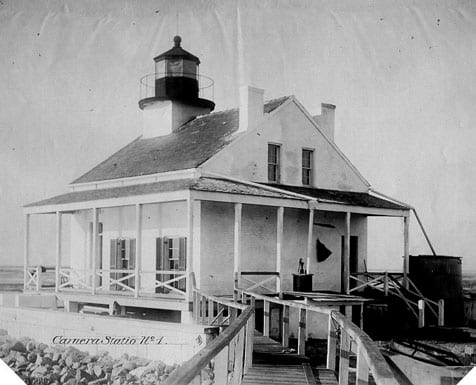
Contexto · Pascagoula (Misisipi), a orillas del río donde ocurrió la abducción reportada
East Pascagoula River Light.JPG · Wikimedia Commons · Dominio público · abrir original
Despacho de UPI del 12 de octubre de 1973 · «Meeting With Space 'Things'?»
Recorte del Washington Star-News del 13 de octubre de 1973, reproducido en el UFO Newsclipping Service n.º 53-54. El despacho de UPI desde Pascagoula cuenta que hacia las 19:00 del jueves Charles Hickson, de 42 años, y Calvin Parker, de 19, pescaban en un muelle de la ribera oeste cuando vieron acercarse un objeto que emitía una neblina azulada y los subieron a bordo tres criaturas. Cita al sheriff Fred Diamond («algo les pasó»), al jefe adjunto Barney Mathis, que los vio sobrios, y a los dos testigos, que dijeron haber tomado «un trago fuerte» después y no antes. Añade que en la base Keesler los revisaron por radiación y que los médicos de la Fuerza Aérea no la encontraron.
Washington Star-News, 13 oct 1973 (UPI) · UFO Newsclipping Service n.º 53-54, p. 2 (archive.org) · ver fuente
La noche en cuestión
Hacia las 19:00 del 11 de octubre de 1973, Charles Hickson, de 42 años, y Calvin Parker, de 19, pescaban desde un muelle abandonado en la ribera oeste del río Pascagoula, en la costa de Misisipi. Según el despacho de UPI del día siguiente, que citaba al jefe adjunto del sheriff, vieron a unas dos millas una nave extraña que emitía una neblina azulada, se acercó y quedó suspendida a tres o cuatro pies sobre el agua. En su declaración de esa noche, Hickson la describió como una luz azul que dio unas vueltas, con un zumbido, y como un objeto oblongo de unos ocho pies de alto con una abertura en un extremo. De él salieron, deslizándose, tres figuras de aspecto robótico (piel arrugada y grisácea, manos en pinza, lo que parecían protuberancias cónicas en la cara) que los inmovilizaron y los llevaron al interior de la nave, donde describieron haber sido examinados por una especie de instrumento óptico antes de ser devueltos a la orilla. Hickson calculó que estuvieron dentro entre 15 y 20 minutos. Parker, el más joven, dijo a los agentes que se desmayó cuando salieron las criaturas y no recobró el conocimiento hasta estar de vuelta en el muelle; Hickson relató que su propio cuerpo flotó hacia la nave. Ambos dijeron no haber bebido antes, pero admitieron haber tomado «un trago o dos» después para calmar los nervios.
Conmocionados, llamaron primero a la base aérea Keesler de la USAF, que los remitió al Departamento del Sheriff del condado de Jackson, adonde llegaron hacia las 23:00. Allí ocurrió el detalle que volvió célebre al caso: tras tomarles declaración, el sheriff Fred Diamond y el capitán Glen Ryder dejaron a Hickson y Parker solos en la sala con la grabadora todavía en marcha, para comprobar la historia. Ryder dijo a la prensa que hicieron todo lo posible por desmontar sus relatos, pero que «ambas historias encajan». La cinta reveló lo contrario (dos hombres profundamente angustiados, Parker pidiendo un médico y diciendo que se quedó paralizado y se desmayó, Hickson preocupado por contárselo a su esposa) sin rastro de invención compartida; cuando Hickson salió, Parker, a solas, rezó en voz baja. Ese registro de sinceridad, más que cualquier prueba material, es lo que sostiene el caso.
Las verificaciones posteriores reforzaron la impresión de buena fe sin aportar prueba material. A la mañana siguiente los llevaron a la base Keesler, donde médicos les pasaron un detector de radiación y tomaron muestras de sus manos y zapatos, y el jefe de inteligencia de la base escuchó su relato; la base prometió enviar su informe al sheriff, pero según el detective Tom Huntley nunca llegó, y su oficina de prensa dio el caso por cerrado. Al día siguiente, según el despacho de UPI, la base informó de que el examen de los médicos de la Fuerza Aérea no había hallado rastro de radiación. El despacho de UPI recoge que ninguno tenía lesiones aparentes, y que el sheriff recibió esa noche otras llamadas sobre una extraña luz azul en el cielo. Ralph Blum habló días después con algunos de esos testigos: el concejal E. P. Sigalas, que viajaba en coche con el agente de libertad condicional R. H. Broadus, dijo que hacia las 19:40 vieron algo que primero tomaron por un helicóptero grande y que parecía «perfectamente cilíndrico»; Larry Booth, que tenía una gasolinera, vio poco después de las 21:00 un objeto bajo, lento y silencioso con una fila de luces rojas que giraban; y el detective Huntley le dijo que un operador de grúa del astillero también había visto algo. Hickson, no Parker, pasó un polígrafo organizado por el agente con el que habían firmado un contrato para promocionar su historia; Philip Klass objetó que el operador era inexperto y que Hickson rehusó otra prueba con un examinador policial. El investigador James Harder intentó hipnotizarlos; Jerome Clark escribe que no lo logró, aunque en la rueda de prensa Harder sostuvo que «un sentimiento de terror muy fuerte es prácticamente imposible de fingir bajo hipnosis». Y el relato no se mantuvo idéntico: Klass señaló discrepancias en la descripción de los seres, y un mes después Hickson dijo en televisión que la luz de la nave le dañó la vista durante tres días, aunque el examen hospitalario del día siguiente no halló lesiones oculares.
Pascagoula es un encuentro cercano del cuarto tipo (CE4): una experiencia de abducción. No hay evidencia física (ni marcas, ni trazas, ni imágenes) y el relato pertenece al género más difícil de evaluar, donde la carga recae enteramente en la credibilidad y el estado de los testigos. Hickson sostuvo su versión hasta su muerte; Parker, que durante décadas evitó hablar y rehuyó la atención, la ratificó después en libros y entrevistas, hasta su fallecimiento en 2023. La sinceridad evidente no equivale a confirmación de la naturaleza del evento, pero distingue a Pascagoula de un fraude ordinario.
Por qué importa
Es un caso de abducción (CE4) y sirve de referencia del género de mayor extrañeza y menor evidencia. Su rasgo distintivo (la grabación secreta del sheriff que, lejos de exponer un montaje, captó angustia genuina) lo eleva por encima del fraude ordinario y lo convierte en un caso de estudio sobre los límites del testimonio: dos testigos que sostuvieron su relato durante décadas, describiendo algo para lo que no existe ninguna prueba material. La sinceridad no es evidencia de la naturaleza del evento, y una experiencia de abducción sin trazas, fotos ni corroboración instrumental no puede pesar como los casos multi-sensor. Vale como ancla del extremo experiencial del fenómeno. El polígrafo de Hickson y el intento de hipnosis añaden color pero no peso probatorio: el polígrafo no es un detector fiable de la verdad, y la hipnosis puede amplificar el recuerdo en lugar de recuperarlo.
Lo que queda en papel
Evidencia documentada
- Relato de dos testigos, Charles Hickson (42) y Calvin Parker (19), hacia las 19:00 del 11 de octubre de 1973 en la ribera del río Pascagoula, Misisipi; Parker dijo haberse desmayado durante el encuentro
- Llamada a Keesler, que los remitió al sheriff del condado de Jackson; al día siguiente, revisión de radiación e interrogatorio en Keesler, cuyo informe no llegó al sheriff
- Grabación secreta de los oficiales: lejos de exponer un montaje, registró angustia genuina y consistencia entre ambos a solas
- Descripción de un objeto oblongo de unos ocho pies de alto con una luz azul y tres figuras de aspecto robótico con manos en pinza; el sheriff recibió esa noche otras llamadas sobre una luz azul; Sigalas y Broadus vieron hacia las 19:40 un objeto «perfectamente cilíndrico», y Larry Booth hacia las 21:00 un objeto bajo y silencioso con luces rojas giratorias
- Ratificación del relato por ambos testigos durante décadas; Hickson añadió detalles con el tiempo y solo él pasó un polígrafo, organizado por su agente
- Ausencia de evidencia física: sin marcas, trazas ni imágenes; caso de tipo CE4 (abducción)
Fuentes
- Wikipedia — Pascagoula incident — Cronología, testigos y la grabación del sheriff.
- Hinds Community College Library — Paranormal Mississippi: The Pascagoula Abduction (1973 recording) — Documentación y audio de la grabación secreta.
- Ralph Blum con Judy Blum, «Beyond Earth: Man's Contact with UFOs» (1974): despacho de UPI del 12 oct 1973 y transcripción de la declaración y de la cinta secreta del sheriff — Reproduce documentos primarios: el despacho de agencia y la transcripción de la grabación.
- Joe Nickell — «Famous Alien Abduction in Pascagoula: Reinvestigating a Cold Case», Skeptical Inquirer 36(3), 2012
Fisionomía de la entidad (1)
Casos relacionados
mismo objeto · mismo país
Communion (Whitley Strieber)
1985 · Tier B
misma explicación · mismo país · misma época
Buff Ledge · Lago Champlain
1968 · Tier B
misma explicación · mismo país · misma época
Dulce · Phil Schneider
1979 · Tier B
misma explicación · mismo país · misma época
Herbert Schirmer · el policía de Ashland
1967 · Tier A
Actores asociados (2)