1977·Petrozavodsk, Karelia, URSS
Unión Soviética.Petrozavodsk (URSS)
El 20 de septiembre de 1977, hacia las 4 de la madrugada, numerosos testigos en Petrozavodsk (Karelia) y en lugares tan lejanos como Finlandia observaron durante unos 10 a 12 minutos un objeto luminoso en forma de «medusa» con haces descendentes. Izvestia publicó el relato con declaraciones a TASS, la Academia de Ciencias pidió investigar fenómenos así y el episodio dio origen a Setka, el programa estatal soviético de 13 años; sus responsables lo atribuyeron después al lanzamiento de Kosmos-955 desde Plesetsk.
Tier A · Aceptable¿Qué significan? →
Evidencia institucional: varios testigos independientes identificados, o documentación oficial de la época, sin un registro instrumental que los corrobore.
Qué fue
88%causa natural o humana
Explicación más probable: cohete o misil
Ver el reparto entre las seis explicaciones
Causa natural o humana
Sin causa conocida
Cita en el idioma original
«знаменитое Петрозаводское явление, обусловленное запуском искусственного спутника Земли "Космос-955" с космодрома Плесецк»Documentos primarios
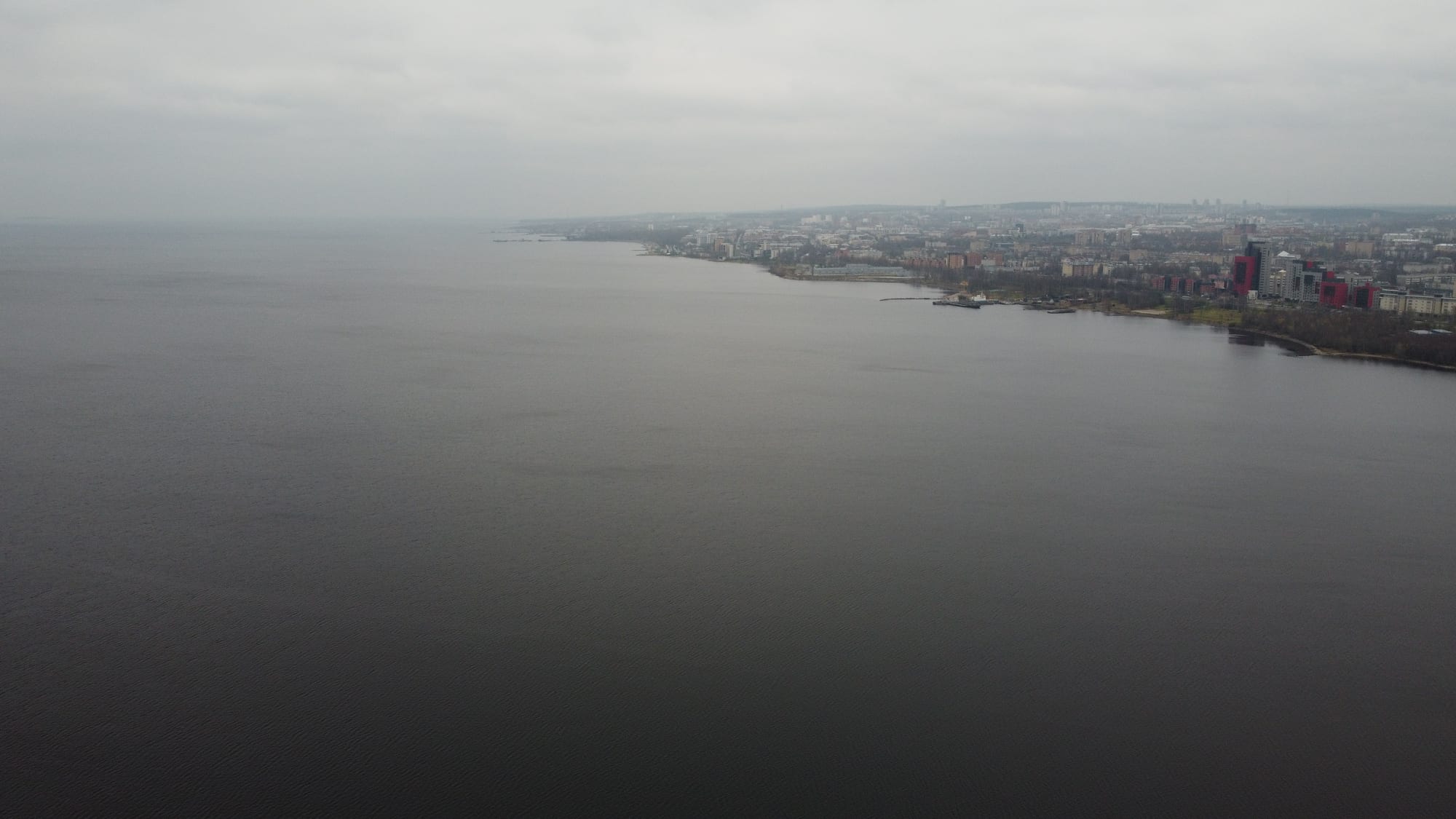
Contexto · Petrozavodsk (Carelia), donde se vio el fenómeno de la 'medusa'
Petrozavodsk Bay (2).jpg · Wikimedia Commons · CC BY-SA 4.0 · abrir original
Programa SETKA · investigación estatal soviética de UAP (1978–1991)
Relato del programa estatal soviético SETKA publicado en 2000 por sus responsables operativos, Yuli Platov y Borís Sokolov, en la revista de la Academia de Ciencias (Vestnik RAN). Nació tras la noche de Petrozavodsk de 1977 con dos temas del plan de defensa de 1978: Setka MO (Ministerio de Defensa) y Setka AN (Academia de Ciencias). En trece años reunió unos 3.000 informes y más del 90% se explicó por lanzamientos de cohetes y globos; Petrozavodsk fue el lanzamiento del Kosmos-955 más un ensayo fallido de misil. Dejó sin identificar los accidentes de Borisoglebsk y no registró aterrizajes ni contactos. Es el relato de los propios responsables, sin documentos soviéticos publicados.
La noche en cuestión
El 20 de septiembre de 1977, en torno a las 04:00 hora de Moscú, miles de habitantes de Petrozavodsk (capital de la República de Karelia, en el noroeste de la URSS) vieron en el cielo aún oscuro un objeto luminoso descrito de forma muy consistente como una 'medusa': un núcleo brillante del que descendían haces o filamentos de luz, que se desplazó, se expandió y proyectó un resplandor sobre la ciudad antes de disiparse. Según los testigos, todo duró de 10 a 12 minutos, y entre ellos había personal de ambulancias, policías, marineros y estibadores del puerto, militares, personal del aeropuerto y un astrónomo aficionado. No se limitó a Karelia: se vio en lugares muy alejados, como Finlandia, donde quedó en varias fotografías, lo que indica un origen a gran altitud capaz de ser iluminado por el sol mientras la superficie seguía a oscuras.
En lugar del silencio o el desmentido habituales del aparato soviético, Izvestia publicó el 23 de septiembre la nota «Un fenómeno natural no identificado», con la declaración del director del observatorio hidrometeorológico de Petrozavodsk a un corresponsal de TASS: los meteorólogos de Karelia no habían observado «análogos en la naturaleza». Llegaron cartas de la población a la Academia de Ciencias y consultas oficiales de países vecinos del norte de Europa preguntando si se trataba de experimentos militares peligrosos para el medio ambiente. El presidente de la Academia, Alexandrov, escribió a la Comisión Militar-Industrial que la Academia «ya no puede ignorar, ni tampoco puede explicar» fenómenos como el de Petrozavodsk, y pidió un estudio conjunto con el Ministerio de Defensa.
La explicación convencional, que acabaron dando por establecida los propios responsables científicos del programa soviético, Platov y Sokolov, es el lanzamiento del satélite Kosmos-955 desde el cosmódromo de Plesetsk esa misma madrugada; añaden que otros efectos que lo acompañaron se debieron a un lanzamiento de prueba fallido de un misil balístico en la misma región y casi a la misma hora. Plesetsk (entonces una instalación militar cuya existencia la URSS no reconocía oficialmente) está a unos cientos de kilómetros, y la pluma de escape y la separación de etapas de un cohete iluminadas por el sol en condiciones crepusculares producen exactamente la morfología radiante en forma de medusa que se reportó. Algunos escépticos señalan discrepancias menores de tiempo y apariencia respecto de un lanzamiento estándar, pero la coincidencia de hora, geometría y dispersión geográfica hace de Kosmos-955 el candidato dominante.
A escala institucional el episodio tuvo una consecuencia mayor: en octubre de 1977 el Consejo Científico-Técnico de la Comisión Militar-Industrial, reunido en el Kremlin, recomendó incluirlo en el plan de investigación de defensa, y en 1978 arrancaron dos temas, «Setka MO» (Ministerio de Defensa) y «Setka AN» (Academia de Ciencias), para estudiar los fenómenos atmosféricos y espaciales anómalos y su efecto sobre el equipo militar y el personal. El programa duró 13 años, hasta 1990; el físico Yuly Platov fue vicepresidente del grupo de expertos de la Academia. Según su balance, publicado en 2000 con Sokolov, en 13 años se recibieron unos 3.000 reportes, casi todos analizados e identificados, de los que algo más de 300 sucesos se calificaron de insólitos o anómalos, y prácticamente todas las observaciones nocturnas masivas se identificaron como efectos de lanzamientos de cohetes o de ensayos aeroespaciales; de las unidades que servían en los polígonos de pruebas casi no llegaban reportes, porque allí esos efectos eran conocidos. Es un hallazgo que refuerza, no debilita, la lectura de Petrozavodsk como artefacto humano.
Por qué importa
Petrozavodsk arrancó a la prensa oficial soviética un reconocimiento público poco habitual en plena Guerra Fría y dio impulso a Setka, un programa estatal que duró unos 13 años. Demuestra que el patrón institucional 'la ola obliga al Estado a investigarse a sí mismo en secreto' no fue una peculiaridad estadounidense de Blue Book, sino una respuesta estructural que la URSS replicó casi punto por punto.
El caso aporta en dos direcciones simultáneas que conviene no mezclar. Hacia la narrativa de programa clasificado (humano): la causa probable (Kosmos-955 desde un Plesetsk oficialmente inexistente) y el propio Setka documentan que el secretismo militar genera olas de avistamientos y obliga al Estado a investigarse a sí mismo. Hacia la narrativa mundano/natural: el conjunto del expediente Setka, donde la mayoría de los reportes resultaron ser lanzamientos y ensayos, es un respaldo empírico fuerte para la prosaicidad de la mayor parte del fenómeno. Petrozavodsk no es un misterio sin resolver: es un misterio resuelto cuya lección es sobre cómo el secreto de Estado fabrica enigmas.
Lo que queda en papel
Evidencia documentada
- Nota «Un fenómeno natural no identificado», Izvestia, 23 sep 1977, con declaraciones a TASS del observatorio de Petrozavodsk
- Carta del presidente de la Academia de Ciencias, Alexandrov, a la Comisión Militar-Industrial y reunión del Kremlin de octubre de 1977 que dio origen a Setka
- Platov y Sokolov (Vestnik RAN, 2000): Petrozavodsk se debió al lanzamiento de Kosmos-955 desde Plesetsk; unos 3.000 reportes en 13 años, casi todas las observaciones nocturnas masivas identificadas como lanzamientos
- Fotografías del fenómeno tomadas en Finlandia
Fuentes
- The Moscow Times — A Look at the Official Soviet X-Files Investigation
- Wikipedia: Petrozavodsk phenomenon — Fuente secundaria (enciclopedia)
- Platov, Yu. V. y Sokolov, B. A. — «Estudio de los objetos voladores no identificados en la URSS», Vestnik RAN 70(6), 2000 (en ruso) — Fuente primaria: balance de los responsables del programa Setka, con la nota de Izvestia, la carta de Alexandrov y la identificación con Kosmos-955
- Sokolov, B. y Platov, Yu. — 'A History of State UFO Research in the USSR', Skeptical Briefs 10.4 (dic 2000) — Versión en inglés del mismo relato, firmada por los mismos autores.
Casos relacionados
mismo objeto · misma época
Islas Canarias
1976 · Tier A
mismo objeto · misma época
Canarias · la campana luminosa del 5 de marzo de 1979
1979 · Tier S
mismo objeto · misma época
Campo de Mayo · la esfera de colores del Cessna de Gendarmería
1972 · Tier A
mismo objeto · misma época
Norte de España · el abanico de luz del 23 de febrero de 1971
1971 · Tier A