Caso Nº 67Case No. 67·EcuadorEcuador

2007·Quito · Fuerza Aérea EcuatorianaQuito · Ecuadorian Air Force

EcuadorEcuador.Decreto 129 · EcuadorDecree 129 · Ecuador

El 17 de mayo de 2007, el Decreto Ejecutivo N° 129 ordenó la desclasificación de los archivos de la Fuerza Aérea Ecuatoriana (FAE) sobre observaciones aéreas anómalas, incluido el encuentro de 1989 entre un caza Mirage F.1 y un objeto no identificado sobre la Amazonía ecuatoriana.On 17 May 2007, Executive Decree No. 129 ordered the declassification of the Ecuadorian Air Force (FAE) files on anomalous aerial observations, including the 1989 encounter between a Mirage F.1 fighter and an unidentified object over the Ecuadorian Amazon.

AñoYear

2007

TierTier

A

ProbabilidadProbability

75%

CategoríaCategory

DocumentoDocument

Evidencia institucional: múltiples testigos verificables o documentación oficial. Tres ejes independientes: el «tier» mide la fuerza de la evidencia; la «probabilidad» estima cuán genuinamente inexplicado está el caso —un fenómeno natural puede seguir sin explicación, así que no equivale a «no-prosaico»—; y la partición de explicaciones (abajo) dice qué fue más plausiblemente. Por eso un caso bien documentado puede tener como causa más plausible un posible fraude, y un Tier B no es, por eso, un fraude.Institutional evidence: multiple verifiable witnesses or official documentation. Three independent axes: the «tier» measures the strength of the evidence; the «probability» estimates how genuinely unexplained the case is —a natural phenomenon can remain unexplained, so it does not equal «non-prosaic»—; and the partition of explanations (below) says what it most plausibly was. So a well-documented case can have a possible hoax as its most plausible cause, and a Tier B is not, for that reason, a hoax.

Documentos primarios · visorPrimary documents · viewer

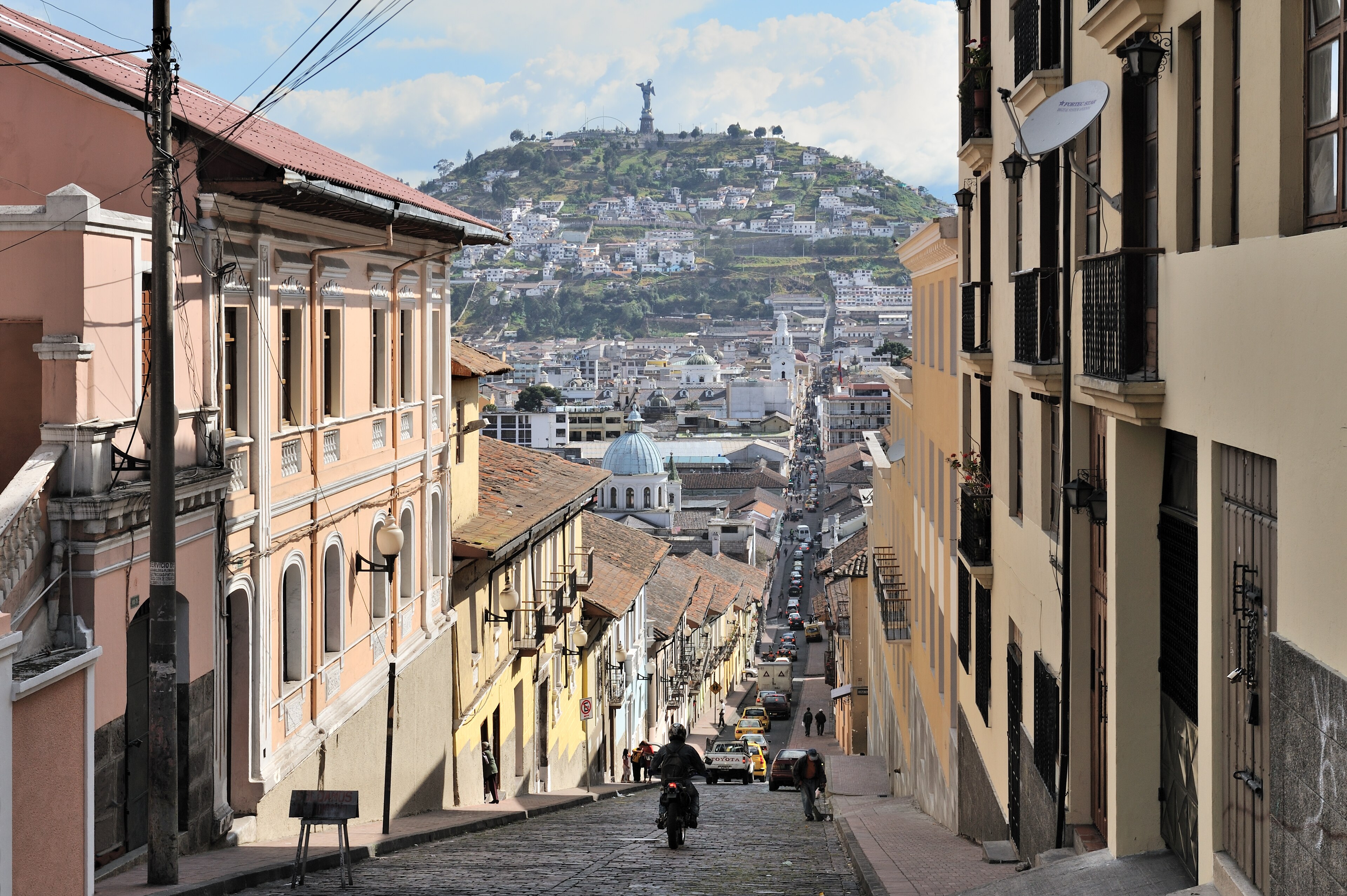
Contexto · Quito (Ecuador), sede de la Fuerza Aérea Ecuatoriana

Contexto · Quito (Ecuador), sede de la Fuerza Aérea EcuatorianaContext · Quito (Ecuador), seat of the Ecuadorian Air Force

Quito calle García Moreno.jpg · Wikimedia Commons · CC BY-SA 3.0 · abrir originalopen original

Parte 01Part 01

El expediente en cuestiónThe file in question

En 2007, el gobierno ecuatoriano autorizó la desclasificación de material de las Fuerzas Armadas relativo a observaciones aéreas anómalas, transfiriendo expedientes históricos al ámbito civil para su análisis abierto. La autorización presidencial está documentada: el 25 de junio de 2007, bajo la presidencia de Rafael Correa, las Fuerzas Armadas fueron habilitadas para entregar la información existente en sus archivos sobre el fenómeno no identificado. El ufólogo Jaime Rodríguez —impulsor del proceso a través de la Comisión Ecuatoriana para la Investigación del Fenómeno Ovni (CEIFO)— recibió notificación oficial del General Patricio Cárdenas, secretario del Consejo de Seguridad Nacional, comunicando que el Presidente de la República autorizaba al Ministerio de Defensa y a las tres ramas de las Fuerzas Armadas a entregar cualquier información que pudiera existir en sus archivos sobre lo no identificado.

El proceso recopiló del orden de 44 testimonios de personal de la Fuerza Aérea Ecuatoriana (FAE), junto con la desclasificación de fotografías, videos y reportes vinculados al fenómeno. Entre los casos militares que afloraron figuran encuentros relatados por oficiales —por ejemplo, un coronel que reportó haber disparado contra un objeto volador en 1995, y pilotos de la FAE que describieron observaciones de aeronaves extrañas durante misiones de vuelo. El corpus registra este hito bajo la referencia del instrumento administrativo asociado (Decreto 129); el núcleo verificable, no obstante, es la autorización presidencial de junio de 2007 y la transferencia documentada de archivos a manos civiles, más que cualquier número de decreto en particular.

La singularidad del caso reside en que el acto administrativo es, en sí mismo, la prueba documental: una decisión presidencial que abre material clasificado al escrutinio civil. Coloca a Ecuador entre los pocos países que han ejecutado una apertura formal y públicamente acreditada de archivos sobre el fenómeno, en la misma familia que la divulgación del informe COMETA en Francia o las posteriores iniciativas estadounidenses.

In 2007, the Ecuadorian government authorized the declassification of Armed Forces material concerning anomalous aerial observations, transferring historical files to the civilian domain for open analysis. The presidential authorization is documented: on June 25, 2007, under President Rafael Correa, the Armed Forces were cleared to release the information held in their archives on the unidentified phenomenon. Ufologist Jaime Rodríguez —who drove the process through the Ecuadorian Commission for the Investigation of the UFO Phenomenon (CEIFO)— received official notice from General Patricio Cárdenas, secretary of the National Security Council, conveying that the President of the Republic authorized the Ministry of Defense and the three branches of the Armed Forces to deliver whatever information might exist in their archives about the unidentified.

The process gathered on the order of 44 testimonies from Ecuadorian Air Force (FAE) personnel, along with the declassification of photographs, videos and reports tied to the phenomenon. Among the military cases that surfaced were encounters recounted by officers —for instance, a colonel who reported firing at a flying object in 1995, and FAE pilots who described observations of strange aircraft during flight missions. The corpus records this milestone under the reference of the associated administrative instrument (Decree 129); the verifiable core, however, is the June 2007 presidential authorization and the documented transfer of files into civilian hands, rather than any particular decree number.

The singularity of the case lies in the fact that the administrative act is, in itself, the documentary evidence: a presidential decision opening classified material to civilian scrutiny. It places Ecuador among the few countries that have executed a formal, publicly accredited opening of phenomenon archives, in the same family as the release of the COMETA report in France or later US initiatives.

Parte 02Part 02

Por qué este caso movió la agujaWhy this case moved the needle

Es uno de los pocos hitos de divulgación de América Latina con autorización presidencial documentada y transferencia de archivos a manos civiles. Junto con la CEFAe (Argentina) y la DIFAA/OIFAA (Perú), forma una base institucional sudamericana que documenta una postura estatal comparativamente abierta sobre el fenómeno — distinta del modelo de 'ambigüedad estratégica' que caracteriza a la divulgación estadounidense posterior a 2017.

El valor del caso es doble. Primero, institucional: muestra que la decisión de tratar el fenómeno como objeto legítimo de archivo y de escrutinio civil no es exclusiva de las grandes potencias, sino que un Estado pequeño puede ejecutarla por la vía administrativa ordinaria, con una firma presidencial y una cadena de mando identificable. Segundo, comparativo: la apertura ecuatoriana, canalizada en parte a través de una comisión civil (CEIFO) y de un ufólogo como interlocutor, contrasta con el patrón angloamericano, donde la desclasificación llega filtrada por agencias de inteligencia y enmarcada como cuestión de seguridad nacional. Esa diferencia de encuadre —archivo abierto a la sociedad civil frente a divulgación gestionada por inteligencia— es relevante para entender cómo distintos Estados administran la misma clase de información.

La honestidad editorial exige una cautela: el proceso ecuatoriano fue impulsado por actores de la ufología civil, y parte de la cobertura mezcla material desclasificado verificable (testimonios de pilotos, reportes de la FAE) con afirmaciones más ambiciosas que no tienen el mismo respaldo. El corpus pondera el caso por la solidez del acto institucional —la autorización presidencial y la transferencia de archivos— y no por la naturaleza de ningún avistamiento individual contenido en ellos, que permanece sin resolución técnica.

One of the few Latin American disclosure milestones with a documented presidential authorization and a transfer of files into civilian hands. Together with CEFAe (Argentina) and DIFAA/OIFAA (Peru), it forms a South American institutional base documenting a comparatively open state stance on the phenomenon — distinct from the 'strategic ambiguity' model that characterizes post-2017 US disclosure.

The case's value is twofold. First, institutional: it shows that the decision to treat the phenomenon as a legitimate object of archiving and civilian scrutiny is not the preserve of great powers, but that a small state can execute it through ordinary administrative channels, with a presidential signature and an identifiable chain of command. Second, comparative: the Ecuadorian opening, channeled in part through a civilian commission (CEIFO) and a ufologist as interlocutor, contrasts with the Anglo-American pattern, where declassification arrives filtered through intelligence agencies and framed as a national-security matter. That difference in framing —an archive opened to civil society versus disclosure managed by intelligence— is relevant to understanding how different states handle the same class of information.

Editorial honesty requires a caveat: the Ecuadorian process was driven by civilian ufology actors, and part of the coverage blends verifiable declassified material (pilot testimonies, FAE reports) with more ambitious claims that lack the same backing. The corpus weighs the case by the solidity of the institutional act —the presidential authorization and the transfer of files— and not by the nature of any individual sighting contained in them, which remains without technical resolution.

Parte 03Part 03

Lo que queda en papelWhat's left on paper

Evidencia documentadaDocumented evidence

  1. Autorización presidencial documentada (25 jun 2007, gobierno de Rafael Correa) para desclasificar archivos de las FF.AA.; instrumento administrativo asociado: Decreto 129Documented presidential authorization (Jun 25, 2007, Rafael Correa government) to declassify Armed Forces archives; associated administrative instrument: Decree 129
  2. ~44 testimonios de personal de la Fuerza Aérea Ecuatoriana (FAE) recopilados en el proceso (CEIFO)~44 testimonies from Ecuadorian Air Force (FAE) personnel collected in the process (CEIFO)
  3. Transferencia documentada de fotografías, videos y reportes a la comunidad civilDocumented transfer of photographs, videos and reports to the civilian community
  4. Encuadre comparativo con otras agencias UAP latinoamericanas (CEFAe en Argentina, DIFAA/OIFAA en Perú)Comparative framing with other Latin American UAP agencies (CEFAe in Argentina, DIFAA/OIFAA in Peru)

UbicaciónLocation

Quito · Fuerza Aérea EcuatorianaQuito · Ecuadorian Air Force · -0.18°, -78.47°

Casos relacionadosRelated cases