Caso 141 de 169Case 141 of 169·Australia·Evidencia aceptableEvidence: acceptable

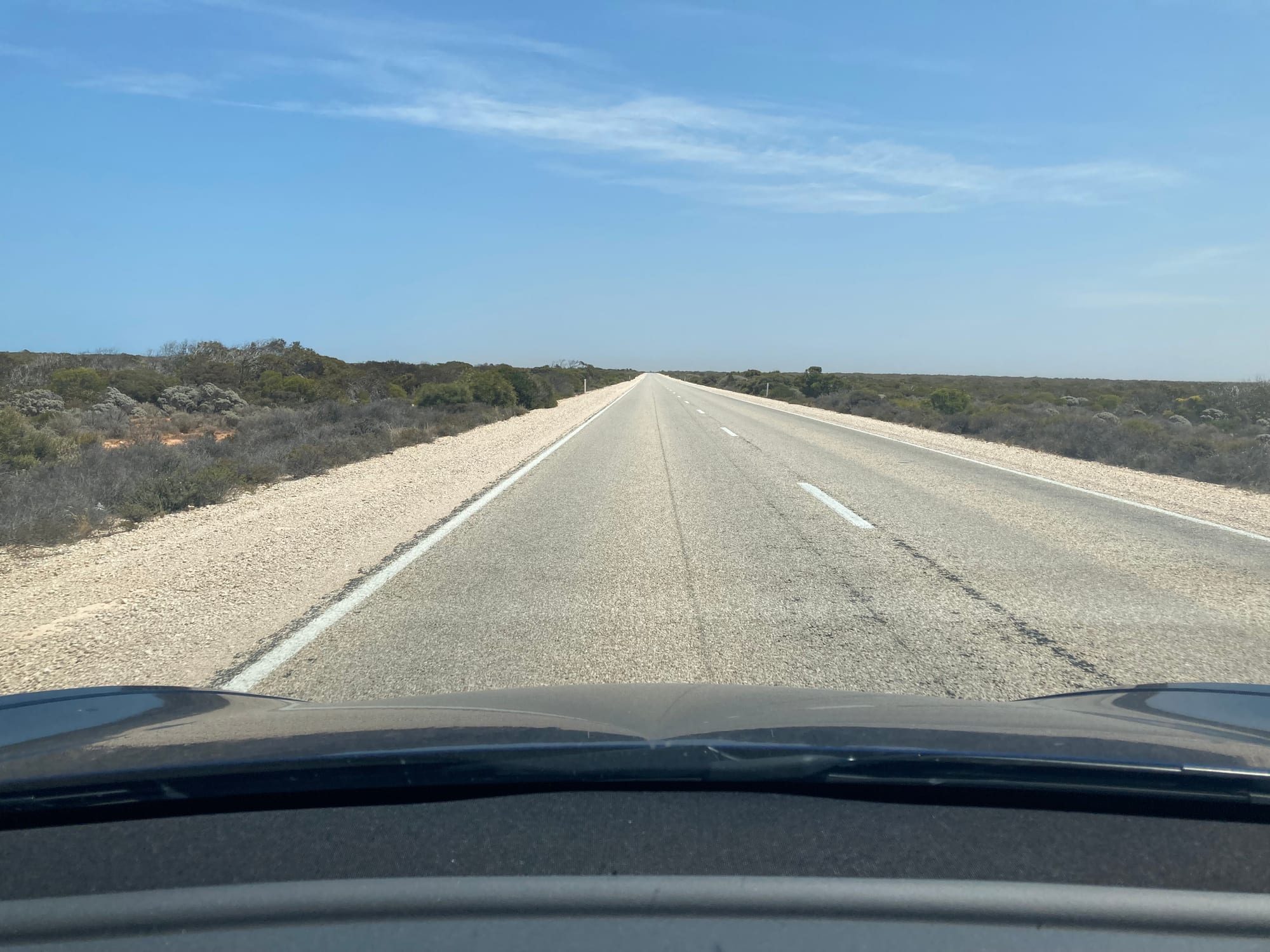
1988·Entre Madura y Mundrabilla, Llanura de Nullarbor, Australia Occidental

Australia.Familia Knowles · Llanura de Nullarbor

El 20 de enero de 1988, alrededor de las 4:00 am, Faye Knowles y sus tres hijos adultos (Patrick 24, Sean 21, Wayne 18) viajaban por la Eyre Highway en la Llanura de Nullarbor cuando reportaron haber sido perseguidos por un objeto luminoso de ~1m que describieron como forma de huevo en copa. El auto fue supuestamente 'levantado', sacudido, depositado de nuevo, con humo entrando al interior y voces alteradas. La policía de Ceduna confirmó que la familia llegó visiblemente afectada, observó los dents en el techo y la ceniza fina, y descartó hoax. Los análisis de laboratorio posteriores fueron mixtos: el polvo interior difería del exterior (Dr. Richard Haines, NASA) pero análisis adicionales no encontraron material anómalo. Es el caso de cohorte forense australiano más cercano al Cash-Landrum estadounidense.On January 20, 1988, around 4:00 am, Faye Knowles and her three adult sons (Patrick 24, Sean 21, Wayne 18) were driving on the Eyre Highway across the Nullarbor Plain when they reported being pursued by a luminous ~1m object described as an egg-in-cup shape. The car was allegedly 'lifted', shaken, set back down, with smoke entering the cabin and altered voices. Ceduna police confirmed the family arrived visibly affected, observed dents on the roof and fine ash, and dismissed any suggestion of a hoax. Subsequent laboratory analyses were mixed: interior dust differed from exterior dust (Dr. Richard Haines, NASA) but additional analyses found no anomalous material. It is the Australian forensic-cohort case closest to the U.S. Cash-Landrum.

On January 20, 1988, around 4:00 am, Faye Knowles and her three adult sons (Patrick 24, Sean 21, Wayne 18) were driving on the Eyre Highway across the Nullarbor Plain when they reported being pursued by a luminous ~1m object described as an egg-in-cup shape. The car was allegedly 'lifted', shaken, set back down, with smoke entering the cabin and altered voices. Ceduna police confirmed the family arrived visibly affected, observed dents on the roof and fine ash, and dismissed any suggestion of a hoax. Subsequent laboratory analyses were mixed: interior dust differed from exterior dust (Dr. Richard Haines, NASA) but additional analyses found no anomalous material. It is the Australian forensic-cohort case closest to the U.S. Cash-Landrum.El 20 de enero de 1988, alrededor de las 4:00 am, Faye Knowles y sus tres hijos adultos (Patrick 24, Sean 21, Wayne 18) viajaban por la Eyre Highway en la Llanura de Nullarbor cuando reportaron haber sido perseguidos por un objeto luminoso de ~1m que describieron como forma de huevo en copa. El auto fue supuestamente 'levantado', sacudido, depositado de nuevo, con humo entrando al interior y voces alteradas. La policía de Ceduna confirmó que la familia llegó visiblemente afectada, observó los dents en el techo y la ceniza fina, y descartó hoax. Los análisis de laboratorio posteriores fueron mixtos: el polvo interior difería del exterior (Dr. Richard Haines, NASA) pero análisis adicionales no encontraron material anómalo. Es el caso de cohorte forense australiano más cercano al Cash-Landrum estadounidense.

AñoYear

1988

TierTier

A

ProbabilidadProbability

45%

CategoríaCategory

incident

Caso civil institucional con múltiples testigos verificables (65–85%)Institutional civilian case with multiple verifiable witnesses (65–85%)

Parte 01Part 01

La noche en cuestiónThe night in question

Aproximadamente a las 4:00 am del 20 de enero de 1988, la familia Knowles —Faye y sus tres hijos adultos Patrick (24), Sean (21, conductor) y Wayne (18)— transitaba en su Ford Telstar por la Eyre Highway entre las localidades de Madura y Mundrabilla, en plena Llanura de Nullarbor (Australia Occidental), región remota y de baja densidad poblacional. Sean, al volante, observó una luz blanca brillante a unos 20 metros adelante del vehículo. La luz fue descrita por todos los testigos como un objeto de aproximadamente 1 metro de ancho, con apariencia 'angular tipo huevo en copa' (egg-in-cup) y un centro amarillo.

(egg-in-cup) y un centro amarillo. Según el testimonio convergente, el objeto se posicionó sobre el auto. La familia reportó tres efectos físicos: el vehículo fue

Según el testimonio convergente, el objeto se posicionó sobre el auto. La familia reportó tres efectos físicos: el vehículo fue 'levantado' brevemente del pavimento, sacudido, y depositado con fuerza; humo o niebla con olor extraño penetró la cabina; y las voces de los ocupantes se alteraron (más lentas, distorsionadas). Faye Knowles abrió una ventana y reportó haber tocado el objeto sintiendo 'algo similar a goma'. Un camión semi conducido por Graham Henley pasó en sentido contrario unos minutos después y reportó haber visto el auto Knowles fuera del camino con la familia gritando.

La familia continuó hasta Ceduna (Australia del Sur), donde se presentó en la estación de policía. Los oficiales locales documentaron formalmente que la familia llegó 'visiblemente afectada', con la ropa cubierta de una ceniza fina y oscura, y con cuatro depresiones en el techo del vehículo. La policía 'descartó cualquier sugerencia de fraude' y trató el caso 'con seriedad'. Las muestras de ceniza y polvo fueron enviadas a múltiples laboratorios. El Australian Mineral Development Laboratory analizó la ceniza externa y concluyó que se componía de partículas de arcilla y sal — consistente con un vehículo que cruzó la Nullarbor. Una investigación independiente comisionada por una estación de TV reportó que 'no se observó polvo significativo' en el auto al momento de la inspección posterior. Sin embargo, el Dr. Richard Haines, científico de NASA Ames Research Center, analizó muestras del polvo interior del vehículo y concluyó que era distinto del polvo exterior — un dato sin explicación convencional. Análisis posteriores por otros laboratorios no encontraron material anómalo. Los dents en el techo fueron evaluados como compatibles con el uso de un portaequipajes, contradiciendo la afirmación de levantamiento.

Around 4:00 am on January 20, 1988, the Knowles family —Faye and her three adult sons Patrick (24), Sean (21, driving) and Wayne (18)— was traveling in their Ford Telstar on the Eyre Highway between Madura and Mundrabilla, deep in the Nullarbor Plain (Western Australia), a remote, sparsely populated region. Sean, at the wheel, observed a bright white light about 20 meters ahead of the vehicle. The light was described by all witnesses as an object roughly 1 metre wide, with an 'angular egg-in-cup' shape and a yellow center.

According to convergent testimony, the object positioned itself over the car. The family reported three physical effects: the vehicle was briefly 'lifted' off the pavement, shaken, and set back down forcefully; smoke or mist with a strange odor entered the cabin; and the occupants' voices became altered (slower, distorted). Faye Knowles opened a window and reported touching the object, feeling 'something like rubber'. A semi-truck driven by Graham Henley passed in the opposite direction minutes later and reported seeing the Knowles car off the road with the family screaming.

The family continued to Ceduna (South Australia), where they reported to the police station. Local officers formally documented that the family arrived 'visibly affected', with clothes covered in a fine dark ash, and four depressions on the vehicle roof. Police 'dismissed any suggestion of a hoax' and treated the case 'seriously'. Ash and dust samples were sent to multiple laboratories. The Australian Mineral Development Laboratory analyzed the external ash and concluded it was clay and salt particles — consistent with a vehicle crossing the Nullarbor. An independent TV-station investigation reported 'no significant dust observed' on the car at later inspection. However, Dr. Richard Haines, a NASA Ames Research Center scientist, analyzed interior dust samples and concluded they were different from exterior dust — an unexplained data point. Subsequent analyses by other labs found no anomalous material. The roof dents were assessed as compatible with the use of a roof rack, contradicting the 'lifting' claim.

Parte 02Part 02

Por qué este caso movió la agujaWhy this case moved the needle

Es el caso forense-testimonial australiano que el corpus necesita para no quedar representado solo por incidentes sin material físico (Westall sin objeto recuperado, Valentich sin restos). Conjuga: cohorte familiar de cuatro testigos con testimonio convergente, intervención policial formal con descarte explícito de hoax, evidencia material disputada (dust, dents, ash), y análisis de laboratorios académicos y de NASA con resultados mixtos. Es estructuralmente comparable al Cash-Landrum 1980 estadounidense — la diferencia editorial está en que Cash-Landrum tiene una demanda federal judicializada y registros hospitalarios oncológicos verificables, mientras Knowles tiene investigación policial pero los efectos en salud reportados (irritación ocular, dolores de cabeza) son menos persistentes y no derivaron en proceso médico documentado. Tier A por la cohorte + investigación policial + datos de laboratorio (incluyendo el dato no resuelto de Haines/NASA), no Tier S por la disputa material posterior.It is the Australian forensic-testimonial case the corpus needs so as not to be represented only by incidents without physical material (Westall with no recovered object, Valentich with no remains). It combines: a family cohort of four witnesses with convergent testimony, formal police intervention with explicit dismissal of hoax, disputed physical evidence (dust, dents, ash), and analyses by academic and NASA labs with mixed results. It is structurally comparable to the U.S. Cash-Landrum 1980 — the editorial difference is that Cash-Landrum has a litigated federal lawsuit and verifiable hospital oncology records, while Knowles has police investigation but the reported health effects (eye irritation, headaches) are less persistent and did not lead to documented medical proceedings. Tier A for the cohort + police investigation + lab data (including the unresolved Haines/NASA datum), not Tier S due to the subsequent material dispute.

Parte 03Part 03

Lo que queda en papelWhat's left on paper

Evidencia documentadaDocumented evidence

  1. Testimonio convergente de cuatro miembros de la familia Knowles (Faye, Patrick 24, Sean 21, Wayne 18) reportando objeto luminoso ~1m con forma de 'huevo en copa' y centro amarillo, 20 ene 1988 ~4:00 amConvergent testimony from four Knowles family members (Faye, Patrick 24, Sean 21, Wayne 18) reporting a luminous ~1m object with 'egg-in-cup' shape and yellow center, Jan 20, 1988 ~4:00 am
  2. Testigo independiente: Graham Henley (conductor semi-trailer en sentido contrario) ve el auto Knowles fuera del camino con la familia gritando, minutos después del incidenteIndependent witness: Graham Henley (semi-trailer driver in opposite direction) sees the Knowles car off the road with the family screaming, minutes after the incident
  3. Documentación policial de Ceduna (Australia del Sur): familia llegó visiblemente afectada, ceniza fina en ropa, 4 dents en techo del Ford Telstar. Police 'descarta cualquier sugerencia de fraude' y trata el caso 'con seriedad'Ceduna police documentation (South Australia): family arrived visibly affected, fine ash on clothes, 4 dents on Ford Telstar roof. Police 'dismissed any suggestion of a hoax' and treated the case 'seriously'
  4. Análisis del Australian Mineral Development Laboratory sobre ceniza externa: partículas de arcilla y sal, consistente con vehículo que cruzó la NullarborAustralian Mineral Development Laboratory analysis of external ash: clay and salt particles, consistent with a vehicle crossing the Nullarbor
  5. Investigación independiente comisionada por estación de TV: 'no se observó polvo significativo' en inspección posterior del vehículoIndependent TV-station-commissioned investigation: 'no significant dust observed' at later inspection of the vehicle
  6. Análisis del Dr. Richard Haines (NASA Ames Research Center) sobre polvo interior del vehículo: difería del polvo exterior — dato no resuelto convencionalmenteDr. Richard Haines (NASA Ames Research Center) analysis of interior dust: differed from exterior dust — datum not conventionally resolved
  7. Análisis posteriores por laboratorios independientes: no encuentran material anómalo, dents compatibles con uso de portaequipajesSubsequent analyses by independent labs: find no anomalous material, dents compatible with roof-rack use

FuentesSources

  1. UFO Research Queensland — 'The Knowles Family UFO Incident 1988' Reconstrucción detallada con cronología y entrevistas.Reconstrucción detallada con cronología y entrevistas.
  2. UFO Evidence — Knowles Family Mundrabilla case file Archivo con material primario y análisis.Archivo con material primario y análisis.
  3. The Museum of Lost Things — 'Aliens on the Nullarbor' Cobertura cultural y geográfica del caso.Cobertura cultural y geográfica del caso.
  4. Chalker, B. — 'The Knowles Family Encounter' (multiple articles, 1988+) Investigación del ufólogo australiano más riguroso del periodo.Investigación del ufólogo australiano más riguroso del periodo.

UbicaciónLocation

Entre Madura y Mundrabilla, Llanura de Nullarbor, Australia Occidental · -31.84°, 128.21°

Lo que este caso movióWhat this case moved

Cada caso del corpus declara explícitamente a qué hipótesis aporta evidencia y con qué fuerza. Estos números alimentan el índice de presión que aparece junto a cada hipótesis en probabilidades. Verlos por caso permite auditar de dónde viene cada nivel de confianza.Each corpus case explicitly declares which hypothesis it contributes to and with what strength. These numbers feed the pressure index shown next to each hypothesis on probabilities. Seeing them per case lets you audit where each confidence level comes from.

  1. +0.005

    ≥1 caso involucra entidades no humanas (categoría amplia)≥1 case involves non-human entities (broad category)

    mínimominimal

    Cohorte familiar de cuatro con testimonio convergente + testigo independiente (Henley) + investigación policial con descarte explícito de fraude + datos de laboratorio mixtos (Haines/NASA encuentra diferencia interior/exterior no resuelta). La modalidad evidencial es similar al Cash-Landrum estadounidense pero con materialidad menos sostenida en el tiempo: no hay litigio federal ni cohorte médica oncológica. Minimal porque el cuerpo de evidencia material disputada no llega al substantial — el dato Haines es un punto interesante, no una prueba.Family cohort of four with convergent testimony + independent witness (Henley) + police investigation with explicit dismissal of fraud + mixed lab data (Haines/NASA finds unresolved interior/exterior difference). The evidential modality is similar to U.S. Cash-Landrum but with less sustained materiality over time: no federal litigation, no oncology cohort. Minimal because the disputed physical-evidence body does not reach substantial — the Haines datum is an interesting point, not a proof.

  2. 0.005

    ≥1 caso es fenómeno natural raro no catalogado≥1 case is a rare uncatalogued natural phenomenon

    mínimominimal

    El testimonio del testigo independiente Henley + la observación policial de afectación física aguda + la diferenciación de polvo interior/exterior por NASA no encajan trivialmente con plasma atmosférico, ball lightning u otros candidatos naturales. No es refutación fuerte porque la cohorte podría haber sido afectada por un fenómeno meteorológico raro (tornado de polvo, downburst) que también explicaría los dents. Minimal weakens.Independent witness Henley's testimony + police observation of acute physical affectation + NASA differentiation of interior/exterior dust do not trivially fit atmospheric plasma, ball lightning or other natural candidates. Not a strong refutation because the cohort might have been affected by a rare meteorological phenomenon (dust tornado, downburst) that would also explain the dents. Minimal weakens.

  3. +0.005

    ≥1 caso es programa militar clasificado≥1 case is a classified military program

    mínimominimal

    Cohabitación geográfica con la red de bases de inteligencia australianas (Pine Gap, North West Cape, Geraldton) que operan sistemas no acknowledged. Un objeto de 1m que persigue un auto a 100 km/h podría ser dron experimental temprano (1988 es periodo de desarrollo intensivo de drones tácticos en US/AU). Minimal porque la descripción (humo, voces alteradas, levantamiento) no es congruente con drones convencionales.Geographical cohabitation with the Australian intelligence-base network (Pine Gap, North West Cape, Geraldton) operating non-acknowledged systems. A 1m object pursuing a car at 100 km/h could be an early experimental drone (1988 is a period of intensive tactical-drone development in U.S./AU). Minimal because the description (smoke, altered voices, lifting) is not congruent with conventional drones.

Pesos: mínimo +0.5, modesto +2, sustancial +5, categoría nueva +15. Documentación completa en /about Cap. 5.Weights: minimal +0.5, modest +2, substantial +5, category-breaking +15. Full documentation in /about Ch. 5.

Casos relacionadosRelated cases