2025·Instalación de pruebas sensible del gobierno — oeste de EE.UU. (vínculo solo a través del índice oficial; ubicación redactada, coordenadas aproximadas)
Estados Unidos.Imágenes fijas UAP del FBI · serie A (vinculadas por el índice oficial a un campo de pruebas del oeste de EE.UU., 2025)
La «serie A» son ocho imágenes (A1–A8) de un sensor con retícula que el FBI remitió a la AARO, desclasificadas en la primera entrega de PURSUE (8 may 2026).
Seguir leyendo el resumen
Las fichas oficiales dicen que fecha y lugar «no fueron provistos», pero el índice de war.gov las fecha a «finales de 2025» y las empareja con la entrevista FBI-302 del caso USPER, vinculada a encuentros con orbes en una instalación de pruebas del oeste de EE.UU. en 2025. Muestran, sobre terreno árido, un objeto pequeño y redondeado junto a la retícula: oscuro en siete, claro con reflejo especular en A7. El operador no pudo identificarlo; no hay resolución publicada de la AARO.
Tier B · Indiciario¿Qué significan? →
Evidencia limitada: un solo testigo, un testimonio recogido años después o un relato sin documentación primaria de la época.
Qué fue
60%causa natural o humana
Lo más probable es una causa ordinaria que nadie ha identificado
Ver el reparto entre las seis explicaciones
Causa natural o humana
Sin causa conocida
Documentos primarios
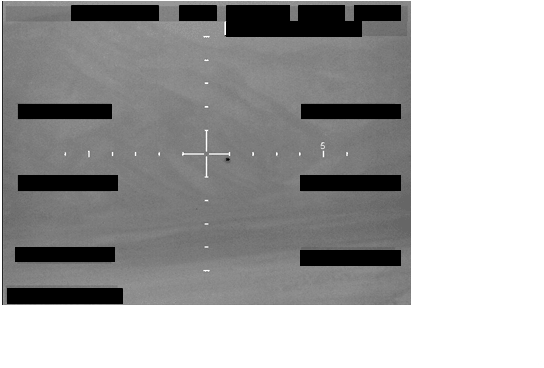
Foto FBI A001 — imagen fija UAP de sistema gubernamental (fecha y lugar no provistos)
FBI · AARO (PURSUE Release 01) · Dominio público · obra del Gobierno de EE. UU. · abrir original
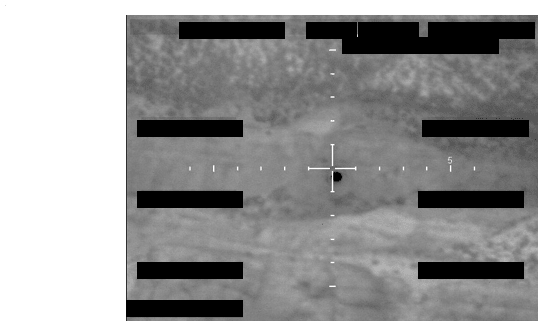
Foto FBI A002 — imagen fija UAP de sistema gubernamental (fecha y lugar no provistos)
FBI · AARO (PURSUE Release 01) · Dominio público · obra del Gobierno de EE. UU. · abrir original
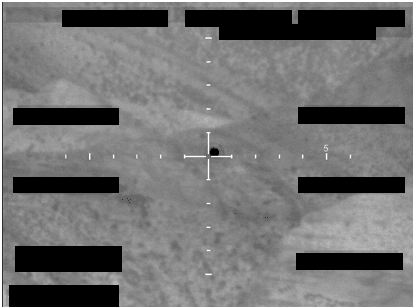
Foto FBI A003 — imagen fija UAP de sistema gubernamental (fecha y lugar no provistos)
FBI · AARO (PURSUE Release 01) · Dominio público · obra del Gobierno de EE. UU. · abrir original
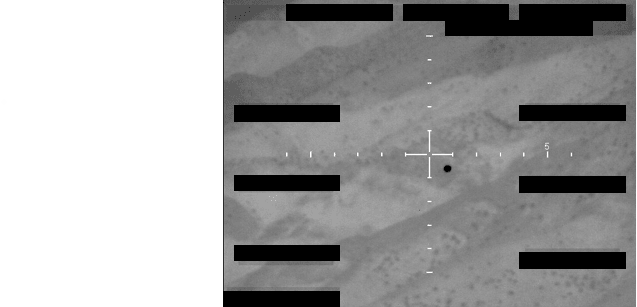
Foto FBI A004 — imagen fija UAP de sistema gubernamental (fecha y lugar no provistos)
FBI · AARO (PURSUE Release 01) · Dominio público · obra del Gobierno de EE. UU. · abrir original
Ver los otros 30 documentos
Foto FBI A005 — imagen fija UAP de sistema gubernamental (fecha y lugar no provistos)
FBI · AARO (PURSUE Release 01) · Dominio público · obra del Gobierno de EE. UU. · abrir documento
Foto FBI A006 — imagen fija UAP de sistema gubernamental (fecha y lugar no provistos)
FBI · AARO (PURSUE Release 01) · Dominio público · obra del Gobierno de EE. UU. · abrir documento
Foto FBI A007 — imagen fija UAP de sistema gubernamental (fecha y lugar no provistos)
FBI · AARO (PURSUE Release 01) · Dominio público · obra del Gobierno de EE. UU. · abrir documento
Foto FBI A008 — imagen fija UAP de sistema gubernamental (fecha y lugar no provistos)
FBI · AARO (PURSUE Release 01) · Dominio público · obra del Gobierno de EE. UU. · abrir documento
USPER Statement — entrevista FBI-302 del oficial de inteligencia (PURSUE R01, redactada)
Entrevista FBI-302 a un alto oficial en activo de la comunidad de inteligencia de EE.UU., con identidad protegida, desclasificada en la primera entrega de PURSUE y ampliada en la segunda con su narrativa en primera persona (ODNI-UAP-D001). Relata un encuentro en 2025 en una instalación de prueba sensible del oeste del país: un orbe «súper-caliente» suspendido sobre el suelo que recorrió unas 20 millas a una velocidad inalcanzable para el helicóptero que lo seguía, y luego cuatro o cinco orbes que se encendían y apagaban durante media hora, vistos por el oficial, pilotos con visión nocturna y observadores en tierra, que tomaron fotos con esos dispositivos. Es testimonio: no se publicó radar ni telemetría y la ubicación está tachada.
FBI (PURSUE Release 01) · Dominio público · obra del Gobierno de EE. UU. · abrir documento
ODNI-UAP-D001 — narrativa en primera persona del mismo oficial (PURSUE R02)
ODNI (PURSUE Release 02) · Dominio público · obra del Gobierno de EE. UU. · abrir documento
Foto FBI B001 — contacto IR/visión nocturna del evento (oeste de EE.UU., 2025)
FBI (PURSUE Release 01) · Dominio público · obra del Gobierno de EE. UU. · abrir documento
Foto FBI B002 — contacto IR/visión nocturna del evento (oeste de EE.UU., 2025)
FBI (PURSUE Release 01) · Dominio público · obra del Gobierno de EE. UU. · abrir documento
Foto FBI B003 — contacto IR/visión nocturna del evento (oeste de EE.UU., 2025)
FBI (PURSUE Release 01) · Dominio público · obra del Gobierno de EE. UU. · abrir documento
Foto FBI B004 — contacto IR/visión nocturna del evento (oeste de EE.UU., 2025)
FBI (PURSUE Release 01) · Dominio público · obra del Gobierno de EE. UU. · abrir documento
Foto FBI B005 — contacto IR/visión nocturna del evento (oeste de EE.UU., 2025)
FBI (PURSUE Release 01) · Dominio público · obra del Gobierno de EE. UU. · abrir documento
Foto FBI B006 — contacto IR/visión nocturna del evento (oeste de EE.UU., 2025)
FBI (PURSUE Release 01) · Dominio público · obra del Gobierno de EE. UU. · abrir documento
Foto FBI B007 — contacto IR/visión nocturna del evento (oeste de EE.UU., 2025)
FBI (PURSUE Release 01) · Dominio público · obra del Gobierno de EE. UU. · abrir documento
Foto FBI B008 — contacto IR/visión nocturna del evento (oeste de EE.UU., 2025)
FBI (PURSUE Release 01) · Dominio público · obra del Gobierno de EE. UU. · abrir documento
Foto FBI B009 — contacto IR/visión nocturna del evento (oeste de EE.UU., 2025)
FBI (PURSUE Release 01) · Dominio público · obra del Gobierno de EE. UU. · abrir documento
Foto FBI B010 — contacto IR/visión nocturna del evento (oeste de EE.UU., 2025)
FBI (PURSUE Release 01) · Dominio público · obra del Gobierno de EE. UU. · abrir documento
Foto FBI B011 — contacto IR/visión nocturna del evento (oeste de EE.UU., 2025)
FBI (PURSUE Release 01) · Dominio público · obra del Gobierno de EE. UU. · abrir documento
Foto FBI B012 — contacto IR/visión nocturna del evento (oeste de EE.UU., 2025)
FBI (PURSUE Release 01) · Dominio público · obra del Gobierno de EE. UU. · abrir documento
Foto FBI B013 — contacto IR/visión nocturna del evento (oeste de EE.UU., 2025)
FBI (PURSUE Release 01) · Dominio público · obra del Gobierno de EE. UU. · abrir documento
Foto FBI B014 — contacto IR/visión nocturna del evento (oeste de EE.UU., 2025)
FBI (PURSUE Release 01) · Dominio público · obra del Gobierno de EE. UU. · abrir documento
Foto FBI B015 — contacto IR/visión nocturna del evento (oeste de EE.UU., 2025)
FBI (PURSUE Release 01) · Dominio público · obra del Gobierno de EE. UU. · abrir documento
Foto FBI B016 — contacto IR/visión nocturna del evento (oeste de EE.UU., 2025)
FBI (PURSUE Release 01) · Dominio público · obra del Gobierno de EE. UU. · abrir documento
Foto FBI B017 — contacto IR/visión nocturna del evento (oeste de EE.UU., 2025)
FBI (PURSUE Release 01) · Dominio público · obra del Gobierno de EE. UU. · abrir documento
Foto FBI B018 — contacto IR/visión nocturna del evento (oeste de EE.UU., 2025)
FBI (PURSUE Release 01) · Dominio público · obra del Gobierno de EE. UU. · abrir documento
Foto FBI B019 — contacto IR/visión nocturna del evento (oeste de EE.UU., 2025)
FBI (PURSUE Release 01) · Dominio público · obra del Gobierno de EE. UU. · abrir documento
Foto FBI B020 — contacto IR/visión nocturna del evento (oeste de EE.UU., 2025)
FBI (PURSUE Release 01) · Dominio público · obra del Gobierno de EE. UU. · abrir documento
Foto FBI B021 — contacto IR/visión nocturna del evento (oeste de EE.UU., 2025)
FBI (PURSUE Release 01) · Dominio público · obra del Gobierno de EE. UU. · abrir documento
Foto FBI B022 — contacto IR/visión nocturna del evento (oeste de EE.UU., 2025)
FBI (PURSUE Release 01) · Dominio público · obra del Gobierno de EE. UU. · abrir documento
Foto FBI B023 — contacto IR/visión nocturna del evento (oeste de EE.UU., 2025)
FBI (PURSUE Release 01) · Dominio público · obra del Gobierno de EE. UU. · abrir documento
Foto FBI B024 — contacto IR/visión nocturna del evento (oeste de EE.UU., 2025)
FBI (PURSUE Release 01) · Dominio público · obra del Gobierno de EE. UU. · abrir documento
La noche en cuestión
A finales de 2025, en una instalación de pruebas sensible del gobierno de Estados Unidos en el oeste del país, un equipo federal y estatal investigaba varias noches de avistamientos de orbes y ruidos sordos en las montañas del campo de tiro. La noche que narra la entrevista FBI-302 del caso USPER, un puesto de escucha y observación en las montañas, equipado con infrarrojo de barrido frontal (FLIR) y gafas de visión nocturna, reportó un orbe «súper caliente» suspendido a ras de suelo que luego se desplazó a gran velocidad, mientras un helicóptero con un alto oficial de inteligencia a bordo intentaba interceptarlo. Esta ficha cubre ocho imágenes fijas de sensor, vinculadas por el índice oficial a ese evento: la serie A (A1 a A8), que el FBI remitió a la All-domain Anomaly Resolution Office (AARO) y que se publicaron en la primera entrega del sistema PURSUE, el 8 de mayo de 2026.
La leyenda oficial de cada imagen es escueta y casi idéntica: el FBI entregó a la AARO «una imagen fija derivada de un sistema del gobierno de EE.UU.»; la fecha y el lugar del evento «no fueron provistos»; la imagen original «fue alterada con redacciones» antes del envío; no se adjuntó reporte de misión, y el operador «no pudo identificar positivamente» el fenómeno. Pero el mismo índice oficial de war.gov contradice en parte esa leyenda. Asigna a las ocho imágenes la fecha de incidente «finales de 2025», aunque su campo de lugar dice «N/A» en todas, y las empareja con dos documentos: la entrevista FBI-302 («USPER Statement») y la narrativa ODNI-UAP-D001 del mismo oficial, publicada el 22 de mayo. La descripción oficial del 302 enumera las fotos A001 a A008 y B001 a B024 y afirma que las fotos vinculadas «están conectadas con un conjunto de encuentros UAP en una instalación de pruebas sensible del gobierno en el oeste de EE.UU. en 2025», observados por múltiples funcionarios y sensores; la narrativa D001 añade que se acompaña de imágenes infrarrojas tomadas durante el mismo ejercicio por otros funcionarios federales desde tierra. El vínculo de la serie A con esa instalación, por tanto, no sale de ningún campo de lugar, sino solo de ese emparejamiento con el 302.
Las imágenes mismas son fotogramas monocromos de unos pocos cientos de píxeles de ancho con una retícula de puntería en el centro, escala graduada y bloques negros que tachan toda la simbología del borde, donde irían la hora, las coordenadas y los datos del sensor. El fondo es terreno visto desde arriba, sin horizonte: laderas áridas con matorral en A2 a A5 y superficies lisas o veteadas en las demás. En A1 y A8 el objeto es una mancha pequeña, oscura y algo irregular, justo por debajo y a la derecha de la cruz; en A2 a A6 es un disco oscuro más nítido, en el centro de la cruz en A3, por debajo y a la derecha en A2 y A4, y por debajo y a la izquierda en A5 y A6; en A7 es un objeto claro con un reflejo especular brillante, por debajo de la cruz y algo a la izquierda. Si el sensor trabajaba en modo «negro caliente», habitual en los FLIR, lo oscuro indicaría un objeto más caliente que el suelo, lo que casaría con el orbe «súper caliente» que el puesto de observación describe; pero ni la polaridad ni la plataforma, la distancia o el tamaño están publicados, así que esa lectura queda como compatible y no como demostrada.
Esta ficha no reproduce la entrevista FBI-302, la narrativa ODNI-UAP-D001 ni las 24 fotos de la serie B (B001–B024), que están en ↗; aquí solo se analizan los fotogramas A001–A008.
Por qué importa
La serie A se publicó como si fuera un conjunto sin contexto, y la cobertura la trató así: ocho fotos del FBI sin fecha ni lugar. El registro oficial dice otra cosa. El índice de war.gov, al emparejarla con la entrevista 302, la vincula al mismo ejercicio que el caso USPER, un evento con varios testigos de las agencias implicadas, contactos de radar que el centro de operaciones iba transmitiendo al helicóptero, un puesto de observación con FLIR y cazas en el mismo espacio aéreo. Eso cambia el peso de las imágenes: dejan de ser fotogramas huérfanos y pasan a ser el registro de sensor de un incidente descrito con detalle en dos documentos oficiales. La contradicción entre la leyenda de cada foto («fecha y lugar no provistos») y el índice que las fecha y, por ese emparejamiento, las sitúa es en sí misma un hallazgo sobre cómo se armó la entrega, y no debe leerse como que falte el contexto: el contexto está publicado, repartido entre fichas distintas.
Aun así, lo que las ocho imágenes permiten concluir es poco. Un punto de pocos píxeles junto a una retícula, sin escala, distancia, hora ni polaridad del sensor, no permite medir tamaño, altura ni velocidad, y ningún fotograma muestra forma, estructura ni propulsión. El marco del evento, además, trae candidatos prosaicos y humanos serios. Era un campo de tiro con años de restos de cohetes y proyectiles, donde ese mismo día se había completado con éxito una prueba cuyo objeto está redactado; cinco aeronaves militares hacían una misión de entrenamiento en el área, y los orbes naranjas que se encendían uno tras otro en fila y se apagaban en orden inverso sobre los cazas recuerdan a bengalas lanzadas en secuencia. Nada de eso explica por sí solo el objeto caliente a ras de suelo que el puesto de observación siguió por FLIR, pero impide tratar la serie como anomalía confirmada.
El 10 de octubre de 2026, el diputado Eric Burlison dijo al New York Post que estudiaría si los testigos de inteligencia de este encuentro de finales de 2025, entre ellos un funcionario de carrera de la Oficina del Director de Inteligencia Nacional, podrían declarar en público ante el Congreso, y advirtió que sacar a la luz a personal de la agencia «may expose other things». Según ese mismo relato, algunos testigos ya se habían reunido en privado con congresistas sin entregarles todo el vídeo grabado en la misión; a esa fecha no hay ninguna audiencia anunciada ni testigo confirmado.
Lo que movería la ficha es la publicación del vídeo del que salen los fotogramas o de la simbología redactada.
Lo que queda en papel
Evidencia documentada
- Ocho imágenes fijas FBI (serie A, A1–A8) remitidas a la AARO, desclasificadas en la primera entrega PURSUE (8 may 2026)
- Leyenda oficial de cada imagen: «imagen fija derivada de un sistema del gobierno de EE.UU.»; fecha y lugar no provistos; imagen alterada con redacciones; sin reporte de misión; el operador no pudo identificar positivamente el fenómeno
- Índice oficial de war.gov: fecha de incidente «finales de 2025», lugar «N/A» y emparejamiento de A001–A008 con la entrevista FBI-302 del caso USPER y con la narrativa ODNI-UAP-D001
- Descripción oficial del 302: las fotos vinculadas «están conectadas con un conjunto de encuentros UAP en una instalación de pruebas sensible del gobierno en el oeste de EE.UU. en 2025», observados por múltiples funcionarios y sensores
- Contenido de los fotogramas: retícula de puntería, simbología del borde tachada, terreno árido visto desde arriba; objeto oscuro y redondeado en siete imágenes y claro con reflejo especular en A7
Ver 2 evidencias más
- Contexto del mismo ejercicio (302 y D001): orbe «súper caliente» a ras de suelo seguido por FLIR desde un puesto de observación, contactos de radar, cinco aeronaves militares en entrenamiento y una prueba redactada completada ese mismo día en el campo de tiro
- Sin plataforma, distancia, polaridad del sensor ni resolución de la AARO publicadas: los fotogramas no permiten medir tamaño, altura ni velocidad
Fuentes
- war.gov/UFO — FBI Photo A series (A1–A8), PURSUE Release 01 — Portal oficial; leyendas y archivos de la sumisión FBI a la AARO. No alcanzable desde el entorno de revisión; las imágenes se leyeron desde la copia alojada en /pursue.
- war.gov/UFO — USPER Statement (FBI-302 redactado, PURSUE Release 01) — Documento primario del mismo ejercicio: puesto de observación con FLIR, orbe «súper caliente», aeronaves militares y prueba redactada.
- war.gov/UFO — ODNI-UAP-D001, narrativa USPER (PURSUE Release 02) — Narrativa en primera persona; afirma que se acompaña de imágenes infrarrojas tomadas desde tierra durante el mismo ejercicio.
- abigailhaddad/ufo-releases — espejo del índice oficial de war.gov (registros FBI Photo A001–A008 y USPER) — Espejo (secundario) del índice oficial: fecha «Late 2025», emparejamiento con USPER y texto de cada leyenda.
- NBC News — 'Pentagon releases declassified UFO files including videos and photos' (8 may 2026) — Cobertura del primer release y de las imágenes fijas del FBI.
- DefenseScoop — '‘Data alone is not disclosure’: UAP research community reacts to Trump’s first PURSUE file drop' (14 may 2026) — Crítica al diseño del canal: material sin contexto no equivale a divulgación.
- AARO — Fiscal Year 2024 Consolidated Annual Report on UAP (14 nov 2024)
- IBTimes UK — 'US Intelligence Witnesses to 2025 UFO Orb Incident Could Testify Before Congress, Lawmaker Says' (11 oct 2026) — Recoge las declaraciones de Burlison al New York Post del 10 oct 2026 (nypost.com/2026/10/10/us-news/us-intel-community-witnesses-to-2025-ufo-orb-incident-could-testify-before-congress/), que no fue alcanzable desde el entorno de revisión; la cita «may expose other things» coincide en IBTimes UK y BroBible. Sitúa el encuentro en una misión de helicóptero de finales de 2025 con orbes naranjas cerca de una base militar del oeste, descrita en el informe de entrevista del FBI publicado en mayo.
Casos relacionados
mismo país · misma época
Enjambre naval frente a Virginia
2025 · Tier B
mismo país · misma época
Oriente Medio 2025 · seis esferas, un orbe blanco y un módulo UAP nuevo
2025 · Tier S
mismo país · misma época
Mystery Drones · costa este (New Jersey + NY + bases)
2024 · Tier B
mismo país · misma época
El reloj mecánico que se adelantó 25 minutos
2026 · Tier B