1952·Haneda AFB, bahía de Tokio
Japón.Haneda AFB · radar-visual sobre Tokio
La noche del 5 al 6 de agosto de 1952, cuatro operadores de la torre de Haneda AFB (Tokio) vigilaron durante cerca de una hora, con binoculares 7x50, una luz brillante baja hacia el noreste rodeada de una zona oscura; el radar del GCI de Shiroi siguió un blanco débil en la zona y un F-94 obtuvo un contacto de radar de unos 90 segundos, sin lograr el enganche ni ver nada. La tarjeta de Blue Book dice «Unknown»; el Informe Condon (1968) atribuyó la luz a la estrella Capella, que el cálculo sitúa justo en ese rumbo, y los ecos a propagación anómala.
Tier S · Sólido¿Qué significan? →
Evidencia fuerte: un registro instrumental de la época (radar, sensor, película o foto con procedencia conocida) que corrobora a varios testigos independientes.
Qué fue
63%causa natural o humana
Explicación más probable: planeta o estrella
Ver el reparto entre las seis explicaciones
Causa natural o humana
Sin causa conocida
Documentos primarios
Expediente de Blue Book de Haneda (agosto de 1952): tarjeta, informe de inteligencia IR-35-52 de FEAF con croquis y declaraciones, y nota del capitán James, 11 págs.
La tarjeta de Blue Book registra el 5 de agosto de 1952 a las 23:30 en Haneda AFB, observación de una hora, un objeto circular, y marca la conclusión «Unknown». El informe de inteligencia IR-35-52 de la oficina ATIL de FEAF, del 12 de agosto, anota que cuatro operadores lo vieron con binoculares 7x50 entre 50 minutos y una hora y que el F-94 perdió el contacto a los 90 segundos. Incluye declaraciones y un croquis. En la nota final, del 15 de septiembre, el capitán R. L. James escribe que el informe no permite explicar los blancos de radar ni estimar una propagación anómala.
Proyecto Blue Book (NARA), vía archive.org · Dominio público · obra del Gobierno de EE. UU. · abrir original
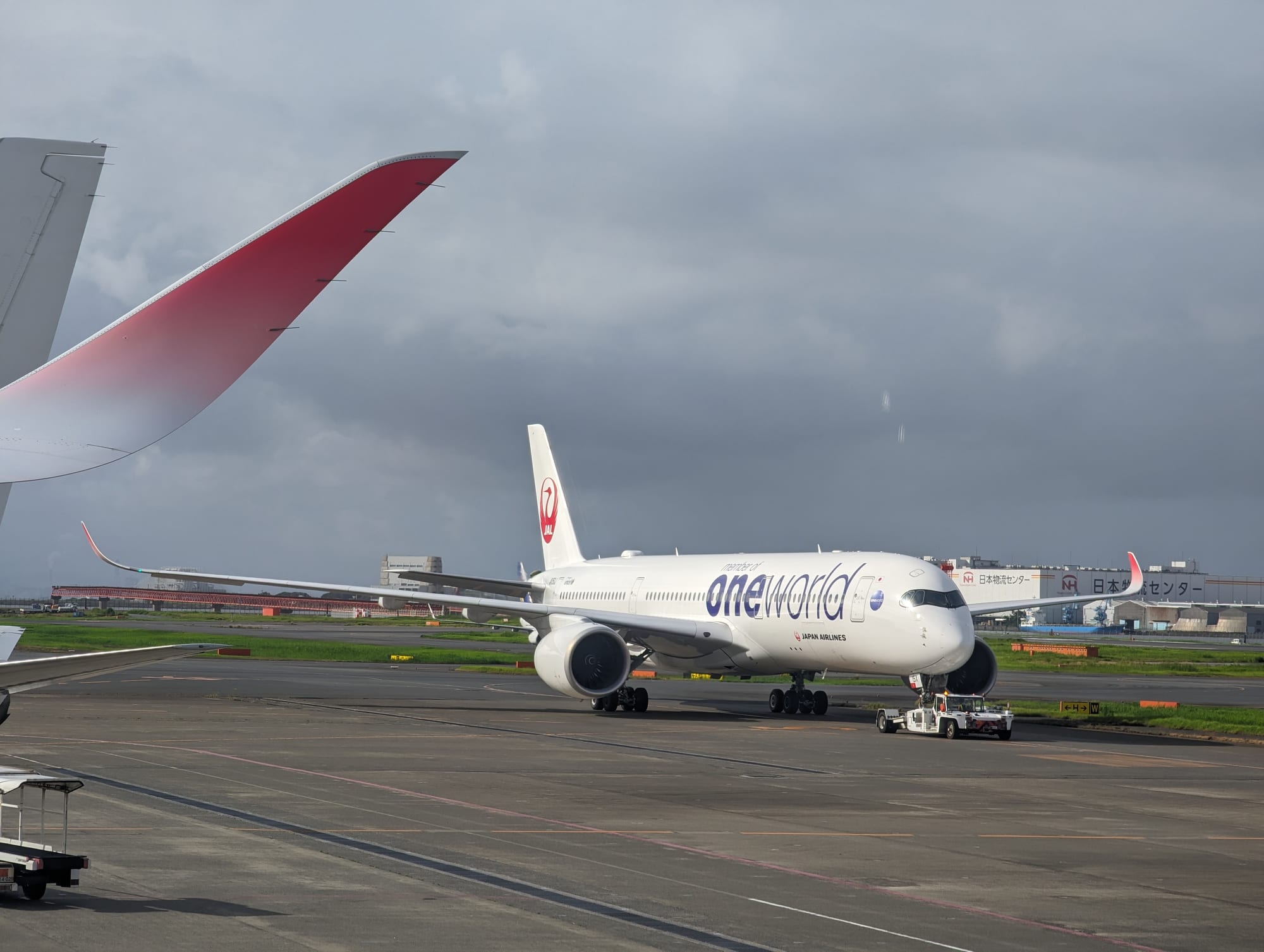
Contexto · el aeropuerto de Haneda (Tokio), sede del contacto radar-visual de 1952
Haneda airport 4.jpg · Wikimedia Commons · CC0 · abrir original
La noche en cuestión
Hacia las 23:30 del 5 de agosto de 1952 (hora local), dos operadores de la torre de control de Haneda Air Force Base (el aeropuerto de Tokio, entonces bajo operación estadounidense) notaron, mientras cruzaban la plataforma hacia su turno, una luz excepcionalmente brillante sobre la bahía de Tokio, al noreste del campo; ya en la torre la señalaron a otros dos compañeros, y los cuatro la observaron con binoculares de 7x50 durante entre media hora y una hora. Según el informe de inteligencia de las Fuerzas Aéreas del Lejano Oriente (IR-35-52), la describieron como una luz circular blanco-azulada de brillo uniforme que parecía ser parte de una forma redonda más oscura, unas cuatro veces mayor, con algunas luces tenues a lo largo del borde inferior; pero el propio informe anota que no se pudo determinar si esa zona oscura se debía a un cuerpo o a sombra o encandilamiento producido por la luz. El objeto se desvaneció dos veces hacia el este y volvió; no se oyó sonido ni se vio rotación. La torre de Tachikawa, a unas 30 millas al oeste, llamó para señalar la misma luz sobre la bahía, y el piloto de un C-54 que entraba al circuito de Haneda, a quien se pidió que la mirara, respondió que parecía una estrella muy brillante y la descartó como tal.
La torre avisó al centro de intercepción controlada desde tierra (GCI) de Shiroi, del 528.º escuadrón de control y alerta. El primer controlador solo vio «tres o cuatro ecos» en el rumbo indicado, sin movimiento definido; su relevo, el teniente Albert, siguió un blanco que describió como pequeño y relativamente débil pero nítido, en órbita hacia la derecha, a unos 100-150 nudos con paradas ocasionales y un máximo de quizá 250-300 nudos; hacia las 00:12 el eco se dividió en tres contactos más pequeños. Se ordenó despegar un caza nocturno F-94 (piloto, teniente Holder; operador de radar, teniente Jones), que por una avería de combustible despegó a las 00:03. Guiado por Shiroi, hacia las 00:15-00:16 su operador de radar captó un contacto débil a 6.000 yardas, 10° a babor; en su declaración escribió que el blanco se movía rápido de babor a estribor y que «no se pudo lograr un enganche»; tras un giro, el eco pareció acelerar y desapareció de la pantalla en unos 90 segundos. La tripulación no vio nada en ningún momento pese a una visibilidad de 60-70 millas, y tanto el F-94 como el blanco se perdieron luego en el eco de tierra de Shiroi. La torre siguió viendo la luz hasta cerca de las 00:50, cuando la perdió entre nubes bajas que avanzaban sobre la bahía.
El oficial que preparó el informe juzgó serios a todos los testigos y lo llamó el primer avistamiento del Lejano Oriente con contacto visual y de radar prolongado, pero él mismo apuntó explicaciones posibles: reflejos de la luna llena en las nubes para la luz y un efecto de encandilamiento para la forma oscura. En Wright-Patterson, el especialista de radar de Blue Book, el capitán Roy James, escribió el 15 de septiembre de 1952 que el informe no permitía una explicación plausible de los blancos y que, sin datos de temperatura y humedad por altura, no se podía estimar una propagación anómala, aunque notó que los blancos parecían a veces ecos permanentes. La tarjeta del caso quedó marcada «Unknown». El Informe Condon (1968), que revisó el expediente, argumentó que la luz y el eco no eran el mismo objeto: la luz siguió visible al menos cinco minutos después de que el radar del F-94 perdiera al blanco, y nadie en Shiroi la vio pese a que debía quedar al sur de ellos. Propuso la estrella Capella, a 8° de altura y 37° de acimut a medianoche, deformada por la atmósfera, y propagación anómala para los ecos, deducida de su aparición y desaparición, de la división en tres y de la falta de correlación entre el radar de tierra y el del avión. Ese argumento descansa en la cronología de la torre, y el propio expediente no es coherente en ese punto: el resumen del informe de FEAF dice que, «poco después» de que Shiroi y el F-94 perdieran el contacto de radar, la torre perdió el contacto visual porque el objeto «se desvaneció, se alejó o quedó tapado por las nubes», mientras que las declaraciones de la torre la mantienen visible hasta cerca de las 00:50. Condon, además, concedió que el mecanismo óptico exacto capaz de producir una imagen tan extrañamente difractada «debe seguir siendo conjetural» y que, en cualquier caso, «el fenómeno debe ser bastante raro». Un cálculo de efemérides para Haneda confirma la posición de Capella: subía desde unos 4° a las 23:30 hasta unos 12° a las 00:30, en el rumbo de 30-50° que da el informe, y uno de los operadores notó al final que la luz parecía «algo más alta en el cielo». El mismo cálculo muestra que Venus estaba bajo el horizonte esa noche, así que el planeta brillante casi al este con el que los testigos compararon la luz, y que todos creyeron identificar como Venus, tuvo que ser Júpiter.
Por qué importa
Haneda se cita a menudo como un radar-visual de triple canal (ojos, radar de tierra y radar aerotransportado sobre el mismo blanco), y el expediente primario permite medir cuánto sostiene esa etiqueta. Los tres canales existieron y quedaron documentados por testigos que el propio informe juzga serios y experimentados; el caso sigue marcado como desconocido y el especialista de radar de Blue Book no encontró explicación para los ecos. Pero el expediente no respalda que los tres canales coincidieran: el radar del F-94 nunca enganchó el blanco, la tripulación no vio nada con una visibilidad excepcional, la torre, según sus propias declaraciones, siguió viendo la luz después de que el radar la perdiera (aunque el resumen del informe de FEAF sitúa la pérdida visual poco después de la de radar), y la luz, baja al noreste y visible también desde Tachikawa a 30 millas, estaba en la posición de una estrella brillante que ascendía.
Por eso el caso es instructivo más que concluyente. Muestra cómo un radar-visual puede construirse sumando canales que no observan lo mismo: una estrella baja vista con binoculares a través de aire húmedo, y ecos débiles e intermitentes en un radar de búsqueda en una noche sin sondeo que permitiera descartar la propagación anómala. Al mismo tiempo, la explicación compuesta del Informe Condon es inferencial (no hay perfil de temperatura de esa noche, y el propio informe admite que el mecanismo óptico «debe seguir siendo conjetural» y que el fenómeno sería «bastante raro») y el propio especialista de radar de 1952 no pudo cerrar los ecos, de modo que queda un residuo de indeterminación en el canal de radar. El contexto también pesa: Tokio en 1952 era la retaguardia de la guerra de Corea, con defensas aéreas en alerta real, y una aeronave de reconocimiento soviética era la primera hipótesis operativa; nada en el expediente la respalda, porque los ecos se movían a 100-300 nudos en órbitas cerradas junto a la costa y nadie vio aeronave alguna.
Lo que queda en papel
Evidencia documentada
- Observación con binoculares 7x50 por cuatro operadores de la torre de Haneda durante media hora a una hora: luz circular blanco-azulada con una zona oscura alrededor que el informe no pudo atribuir ni a un cuerpo ni a encandilamiento
- La misma luz fue señalada por la torre de Tachikawa, a unas 30 millas al oeste; el piloto de un C-54 la juzgó una estrella brillante
- GCI de Shiroi: blanco pequeño y débil en órbita a 100-150 nudos, con un máximo estimado de 250-300; hacia las 00:12 se dividió en tres contactos
- F-94: contacto débil de unos 90 segundos a 6.000 yardas, sin enganche («no se pudo lograr un enganche») y sin contacto visual
- Nota del capitán Roy James (15 sep 1952): los datos no permiten explicar los ecos y, sin sondeo, no se puede estimar la propagación anómala; tarjeta de Blue Book: «Unknown»
- Informe Condon (1968): la luz sería probablemente Capella (8° de altura y 37° de acimut a medianoche) y los ecos, propagación anómala; la posición de Capella, en ascenso sobre el rumbo del informe, se confirma por cálculo de efemérides
Fuentes
- Proyecto Blue Book — expediente «5 August 1952, Haneda AFB, Japan» (NARA), espejo en archive.org — Fuente primaria: tarjeta («Unknown»), informe IR-35-52 de FEAF con las declaraciones de la torre, del GCI de Shiroi y de la tripulación del F-94, y nota del capitán Roy James del 15 sep 1952.
- Informe Condon (1968), sección III, cap. 5 «Optical and Radar Analyses of Field Cases», caso 237-B — Análisis del expediente de Blue Book: Capella para la luz y propagación anómala para los ecos.
- Informe del Robertson Panel (CIA, enero de 1953), espejo en archive.org — Haneda figura entre los casos examinados en detalle por el panel.
- NICAP — expediente Haneda/Tokyo Bay 1952 — Compilación secundaria; no sustituye al expediente de Blue Book.
Casos relacionados
mismo objeto · misma época
Ellsworth AFB · el «mejor reporte» de Blue Book
1953 · Tier S
mismo objeto · misma época
Padre Gill · Boianai
1959 · Tier B
mismo objeto · misma época
Redmond, Oregon · policía, FAA y seis F-102
1959 · Tier A
mismo objeto
Isla Decepción · luces sobre las bases antárticas (1965)
1965 · Tier A