1954·Quarouble, Nord, Francia
Francia.Quarouble · investigación de la Gendarmerie (Francia)
El 10 de septiembre de 1954, durante la gran oleada francesa de ese año, el metalúrgico Marius Dewilde reportó un objeto oscuro posado sobre las vías del tren cerca de Quarouble y dos figuras pequeñas; dijo que una luz muy viva lo deslumbró y, según otras crónicas de esos días, un haz de reflejos verdes lo paralizó. La policía del aire acudió al lugar: según la prensa de esos días, primero no halló ningún indicio y luego describió marcas en cinco puntos de los durmientes de madera y balasto friable, que tomó en muestras.
Tier B · Indiciario¿Qué significan? →
Evidencia limitada: un solo testigo, un testimonio recogido años después o un relato sin documentación primaria de la época.
Qué fue
51%causa natural o humana
Explicación más probable: causa psicológica, médica o social
Ver el reparto entre las seis explicaciones
Causa natural o humana
Sin causa conocida
Documentos primarios
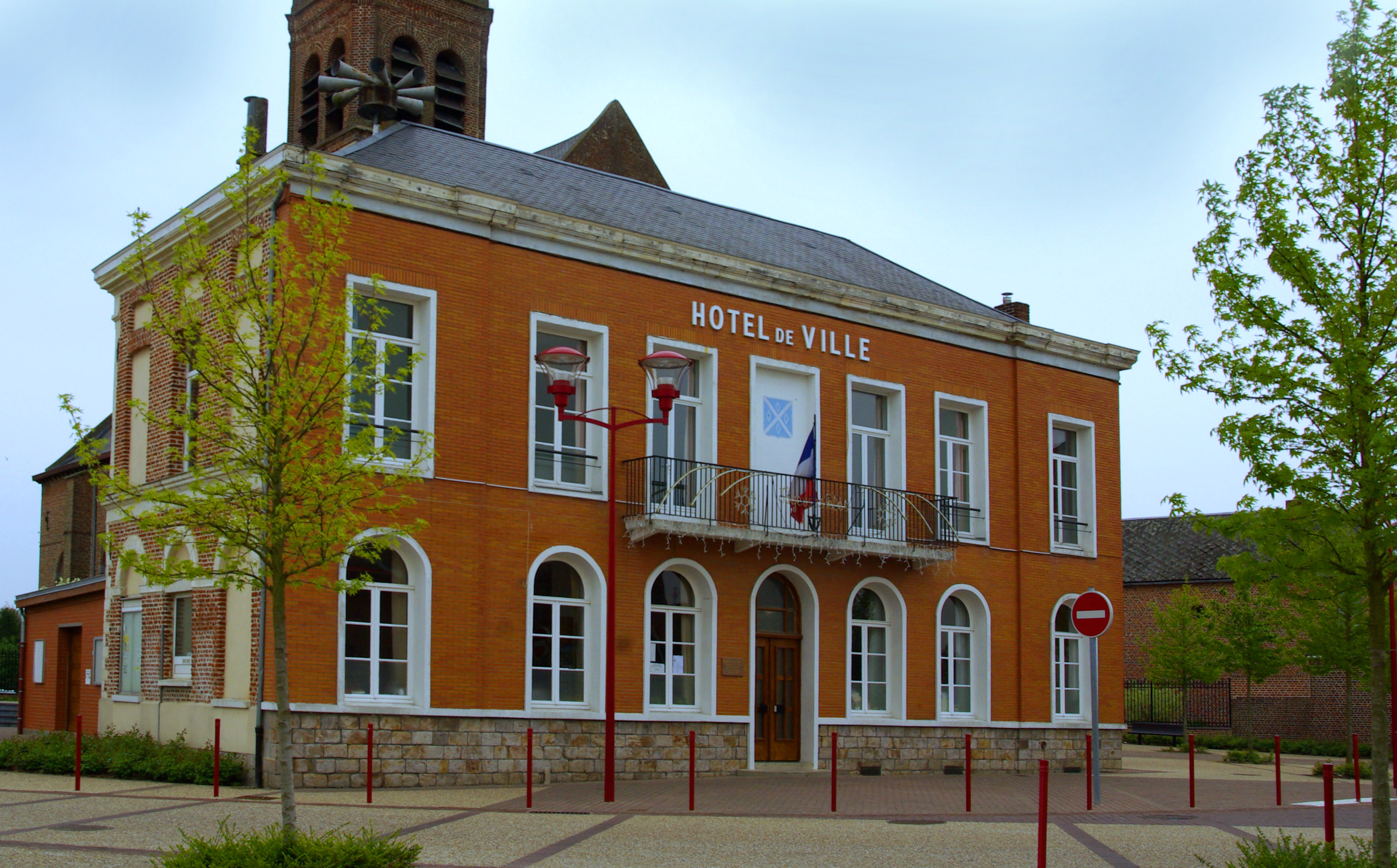
Contexto · Quarouble (Nord, Francia)
MairieQuarouble.jpg · Wikimedia Commons · CC BY-SA 3.0 · abrir original
Prensa regional de septiembre de 1954 sobre Quarouble (La Croix du Nord, Nord-Matin y otros), transcrita por Patrick Gross
Las crónicas de los días siguientes, transcritas del papel. La Croix du Nord cita a Marius Dewilde, de 34 años, que vivía en la casilla del paso a nivel 79: hacia las 22:30 su perro aulló, salió con una linterna, vio a seis metros una forma oscura que tomó por un carro, y a dos seres pequeños, de no más de un metro y con una especie de escafandra, que corrían hacia el aparato; este se elevó tras una luz «tel un éclair de magnésium» y se fue hacia el oeste. Dewilde fue a la comisaría de Onnaing. La policía del aire, el sábado por la tarde, no halló indicios que dieran consistencia al relato, aunque le llamó la atención una parte del balasto recién removida. Nord-Matin publica una foto de la mujer de Dewilde mostrando el lugar al comisario Fouchet. Prensa con derechos, por eso va como enlace.
Patrick Gross, «Les OVNIS vus de près» (ufologie.patrickgross.org) · ver fuente
La noche en cuestión
La noche del 10 de septiembre de 1954, alrededor de las 22:30, Marius Dewilde, un trabajador metalúrgico de unos 34 años, salió de su casa en Quarouble (departamento del Nord, cerca de Valenciennes y de la frontera belga) al oír los ladridos insistentes de su perro. Linterna en mano, pensando en un merodeador, salió y, a menos de seis metros de su puerta, distinguió una masa oscura posada sobre la vía, junto al paso a nivel 79, que primero tomó por un carro de labranza abandonado. Según lo que contó a la prensa de esos días, dos figuras bajas y rechonchas, de menos de un metro, con una cabeza enorme protegida por una especie de casco de vidrio o plástico, pasaron junto a él corriendo hacia el aparato; se abrió una puerta, una luz muy viva lo deslumbró «como un relámpago de magnesio» y quedó «paralizado por el miedo»; el aparato, de unos seis metros de diámetro y tres de alto, osciló, subió unos diez metros y partió hacia el oeste, hacia Anzin, como una bola de fuego. Las primeras crónicas no coinciden: unas hablan de una luz que lo deslumbró «como un relámpago de magnesio» y lo dejó «paralizado por el miedo»; otras, como France-Soir del 13 de septiembre, citan a Dewilde describiendo un proyector de «reflejos verdes» cuyo haz lo paralizó y le impidió gritar. El episodio ocurrió al inicio de la gran oleada de avistamientos que recorrió Francia en el otoño de 1954, una de las más intensas de la historia europea del fenómeno.
Dewilde despertó a su mujer y a un vecino y fue a la comisaría de Onnaing, adonde llegó hacia la medianoche; según un relato posterior, el comisario encontró a un hombre que temblaba y sufría contracciones intestinales, y descartó la comedia. Al día siguiente, un comisario y un inspector de la policía del aire se desplazaron al lugar; algunos diarios dijeron entonces que no hallaron ningún indicio que apoyara sus dichos. Gendarmes del aire y, según las fuentes, personal vinculado a la Fuerza Aérea y a la DST (seguridad del territorio) acudieron al sitio y tomaron muestras. Documentaron marcas físicas en el lugar: depresiones y marcas regulares (descritas en algunos informes como una suerte de 'garras' simétricas) en los durmientes de madera de la vía y alteraciones en el balasto, además de piedras que aparecían chamuscadas en el punto del supuesto aterrizaje. Según la comisaría de Onnaing, la madera tenía huellas profundas en cinco puntos que los investigadores creían que podía haber dejado el aterrizaje, y se tomaron muestras del balasto. La cifra de unas treinta toneladas de presión que se repite desde entonces procede de relatos posteriores, como el libro de Aimé Michel. Según un relato posterior, dos vecinos de Onnaing, Edmond Auverlotte y un jubilado de apellido Hublard, vieron hacia las 22:30, la hora que dio Dewilde, un resplandor rojo que viró a rosa claro y luego a blanco moverse por el cielo, y tres jóvenes que salían de un baile lo vieron desde Vicq. La prensa de aquellos días discrepó sobre ellas: un diario señaló que los golpes podían ser obra de los obreros de la vía al colocar tirafondos y que el balasto era una escoria friable por naturaleza, mientras Franc-Tireur afirmó que las marcas no pudieron hacerlas las herramientas habituales de los obreros; los policías pensaron primero en un helicóptero de contrabandistas, y no se hallaron huellas de pasos.
El caso tiene dos planos. El núcleo narrativo (el objeto, las dos figuras, el haz paralizante) descansa en un único testigo y pertenece al registro folklórico/contactee tan característico de 1954, sin corroboración independiente; un escéptico puede leerlo como confabulación, sugestión o invención dentro de una oleada de histeria mediática. Lo que sí queda anclado por la cadena institucional son las marcas: la investigación oficial existió y documentó alteraciones físicas en la vía cuya causa no se cerró. El caso se define por esa asimetría: ancla institucional (policía del aire) y traza física registrada, sobre un relato central de un solo observador.
Por qué importa
Abrió la oleada francesa de 1954 y es un ejemplo temprano de investigación oficial, por la policía del aire, con peritaje de trazas físicas, el linaje institucional que más tarde, a través de la cultura de toma de reportes de la gendarmería francesa, desembocaría en organismos estatales como el GEPAN/GEIPAN dentro del CNES. Que el Estado francés tomara en serio el reporte de un obrero hasta el punto de enviar inspectores y recoger muestras prefigura el modelo (poco común a nivel mundial) de tratar los avistamientos como un asunto de registro público y no solo de folklore.
Su valor es exactamente ese ancla oficial y las marcas documentadas; su límite, igual de importante, es que el corazón del relato (objeto + dos entidades + parálisis) descansa en un solo testigo dentro de la oleada más mediatizada del siglo, cuando el contagio cultural producía decenas de reportes similares por semana. Hay que sostener las dos cosas a la vez: las trazas físicas exceden una simple ilusión óptica, pero no pueden vincularse de forma concluyente al relato que las explica, y la causa de las marcas (peso real de un objeto frente a daño previo de la vía, manipulación o coincidencia) nunca se cerró. De ahí su rol de aporte de registro más que de calibración: un episodio históricamente fundacional, institucionalmente serio, evidencialmente acotado.
Lo que queda en papel
Evidencia documentada
- Denuncia de Marius Dewilde e inspección de la policía del aire, 10 sep 1954
- Marcas descritas en la prensa de la época: huellas en cinco puntos de los durmientes de madera y balasto friable, del que se tomaron muestras; algunos diarios dijeron que la policía del aire no halló indicios
- La estimación de unas 30 toneladas de presión procede de relatos posteriores (Aimé Michel), no de la prensa de 1954
- Caso detonante de la oleada francesa masiva del otoño de 1954
- Núcleo testimonial (objeto + dos figuras + parálisis) de un solo observador
Fuentes
- Wikipedia — Marius Dewilde (síntesis del caso) — Fuente secundaria (enciclopedia).
- Patrick Gross — «Les OVNIS vus de près: 10 septembre 1954, Quarouble, Nord» (prensa de la época) — Transcribe la prensa francesa de septiembre de 1954 (La Croix du Nord, Courrier Picard, Franc-Tireur y otros).
Fisionomía de la entidad (1)
Casos relacionados
misma explicación · mismo país
L'Amarante · el objeto sobre el jardín de un biólogo en Nancy
1982 · Tier A
mismo país · misma época
Nave nodriza de Vernon · Francia
1954 · Tier B
mismo país · misma época
Oloron / Gaillac · Cabellos de ángel
1952 · Tier B
mismo país · misma época
Orange-Caritat · el objeto plateado perseguido por dos Vampire
1951 · Tier A
Actores asociados (1)