1979·Base Aérea de Soesterberg (Vliegbasis Soesterberg)
Países Bajos.Soesterberg · doce militares en una base aérea (Países Bajos)
El 3 de febrero de 1979, hacia las 5:45, en la base aérea de Soesterberg (usada en parte por fuerzas estadounidenses durante la Guerra Fría) doce militares del servicio de vigilancia reportaron un gran objeto triangular con luces intensas sobre la pista. La cantidad y el carácter de los testigos forzó una de las pocas ocasiones en que las autoridades neerlandesas sintieron que debían dar una respuesta oficial. Primer caso de los Países Bajos: testigos militares múltiples en una base activa.
Tier B · Indiciario¿Qué significan? →
Evidencia limitada: un solo testigo, un testimonio recogido años después o un relato sin documentación primaria de la época.
Qué fue
61%causa natural o humana
Explicación más probable: fenómeno natural
Ver el reparto entre las seis explicaciones
Causa natural o humana
Sin causa conocida
Documentos primarios
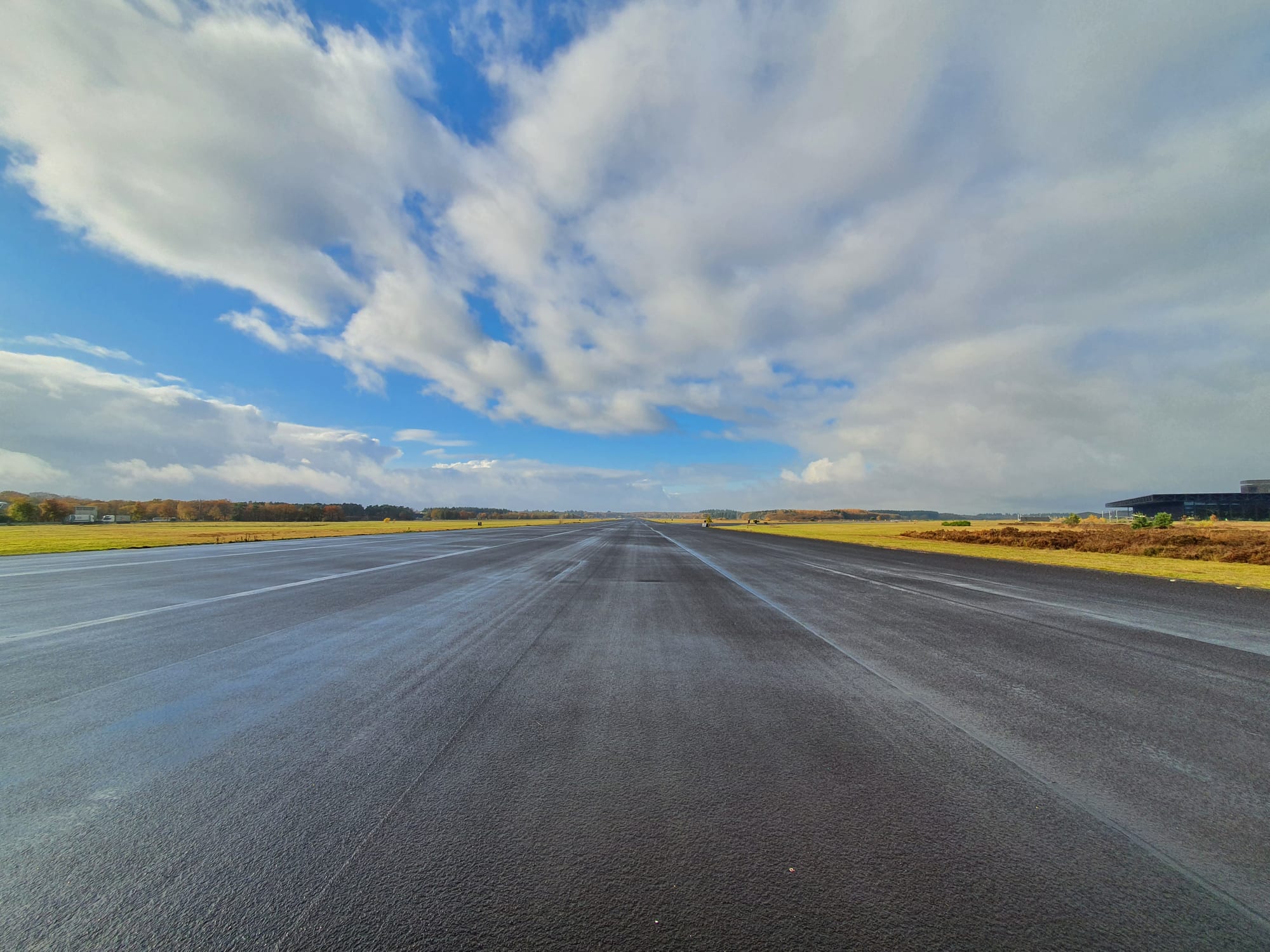
Contexto · la base aérea de Soesterberg (Países Bajos)
Vliegbasis Soesterberg 2.jpg · Wikimedia Commons · CC BY-SA 4.0 · abrir original
De Waarheid, 31 de octubre de 1980, «Ufologen mogen speuren op de departementen»: la oficina NOVOBO sobre «la sonada denuncia sobre el aeródromo de Soesterberg»
Columna de Jos Haagmans en el diario De Waarheid, en la hemeroteca Delpher, sobre el permiso que varios ministerios dieron a la oficina civil NOVOBO para consultar sus expedientes de ovnis. W. de Graaff, que habla por NOVOBO, dice que en casi todos los casos lo visto son luces de aviones y que «seguimos con aquella sonada denuncia sobre el aeródromo de Soesterberg de hace un año», que «hemos reducido también a un avión», aunque no saben de qué clase ni tipo, por lo que «sigue figurando como un ovni original». No da la fecha del suceso ni el número de testigos. Prensa con derechos de autor: se enlaza.
De Waarheid (31 oct 1980), vía Delpher (Biblioteca Real de los Países Bajos) · ver fuente
La noche en cuestión
El 3 de febrero de 1979, la base aérea de Soesterberg (Vliegbasis Soesterberg) (una instalación militar neerlandesa que durante la Guerra Fría albergó también unidades de la Fuerza Aérea de Estados Unidos, en particular cazas dedicados a la defensa aérea de Europa Central) fue escenario de un avistamiento con un perfil de testigos inusualmente fuerte. Según los relatos, hacia las 5:45 de la madrugada doce militares del servicio de vigilancia vieron aparecer sobre la pista un gran objeto triangular, con tres luces intensas delante y una roja detrás, que pasó dos veces sobre la base y se alejó. Las fuentes consultadas no confirman que la torre de control lo viera, y uno de los doce, entrevistado en 2023, recordó haber visto dos luces, no un triángulo. Algunos testigos describieron una estructura oscura y de gran tamaño; conviene tratar la forma exacta y la cronología fina como elementos reportados y no plenamente verificados, dado que la documentación primaria del episodio es limitada y reconstruida décadas después.
Lo relevante es la calidad institucional del testimonio: no se trató de un avistamiento civil aislado, sino de personal militar en servicio en una base aérea activa, observando el fenómeno desde una posición de responsabilidad operativa y con entrenamiento para reconocer aeronaves. La concentración de testigos cualificados en una instalación sensible (en plena Guerra Fría, en una base con presencia estadounidense) hizo que el episodio trascendiera, y fue una de las contadas veces en que las autoridades neerlandesas se vieron en la necesidad de pronunciarse públicamente. Los Países Bajos no han mantenido un programa estatal de investigación de UAP comparable al GEIPAN francés, de modo que las respuestas oficiales fueron puntuales y orientadas a normalizar el suceso.
La explicación mundana que ofrecieron las autoridades, según las reconstrucciones, apuntó sucesivamente a un espejismo y luego a un fenómeno atmosférico: reflejos (por ejemplo de faros de vehículos) proyectados en el cielo a través de una capa de inversión térmica. Esa clase de explicación es físicamente posible y cubre algunos avistamientos de luces, pero los testigos militares la consideraron insuficiente frente a un objeto que percibieron como estructurado. El documentalista Bram Roza, que los entrevistó en 2023, dice que se le aseguró que hubo informes sobre las observaciones pero que no ha podido obtenerlos. Lo documentado y sólido es la cadena de testigos (doce militares en servicio) en una base aérea; no hay confirmación de radar pública ni material recuperado, y la respuesta oficial buscó cerrar el episodio.
Por qué importa
Lo sostiene la calidad de los testigos: doce militares de guardia en una base aérea activa con uso estadounidense, no un avistamiento civil suelto. Obligó a una respuesta oficial en un país que, a diferencia de Francia, nunca montó un programa estatal de investigación de UAP. Esa ausencia de aparato institucional es justamente lo que hace valioso al caso: cuando un Estado sin protocolo se ve forzado a comentar un avistamiento, el episodio que provoca esa reacción tiene un peso testimonial difícil de descartar.
Su interés analítico es doble. Primero, descansa en testigos cualificados y no en un rumor. Segundo, ilustra la tensión entre testimonio militar entrenado y explicación oficial minimizadora: la lectura de espejismo o inversión térmica que ofrecieron las autoridades es plausible para luces pero choca con la descripción de un gran triángulo oscuro que pasó dos veces sobre la base y se alejó a gran velocidad, hecha por observadores militares, aunque uno de ellos recordó en 2023 solo dos luces. Esa tensión queda sin resolver (la documentación primaria es escasa y tardía): el caso es fuerte en la calidad de los testigos y débil en evidencia instrumental.
Lo que queda en papel
Evidencia documentada
- Doce militares del servicio de vigilancia de la base aérea de Soesterberg (3 de febrero de 1979, hacia las 5:45).
- Gran triángulo con tres luces delante y una roja detrás que pasó dos veces sobre una base aérea activa, con uso parcial de la USAF, y se alejó.
- Uno de los pocos casos neerlandeses que forzó una respuesta de las autoridades.
- Sin confirmación de radar pública ni material recuperado: el ancla es el testimonio militar múltiple.
- Explicación oficial de la Fuerza Aérea: espejismo por inversión térmica que reflejaría faros de coches; los militares no la aceptaron.
Casos relacionados
misma explicación · misma época
Val Johnson · patrullero con daño físico documentado (EE.UU., 1979)
1979 · Tier A
misma explicación · misma época
Luces de Hessdalen
1981 · Tier A
misma explicación · misma época
Señal Wow! · Big Ear
1977 · Tier A
misma explicación · misma época
Bardenas Reales · las luces del polígono de tiro
1975 · Tier B