1978·Estrecho de Bass, Australia
Australia.Desaparición de Frederick Valentich
El 21 de octubre de 1978, el piloto australiano Frederick Valentich, de 20 años, desapareció en un Cessna 182 sobre el estrecho de Bass, en ruta a la isla King. Minutos antes informó al servicio de vuelo de Melbourne que una aeronave con cuatro luces brillantes pasaba al menos 300 m por encima de él, que 'no es un avión' y que su motor rateaba; tras 17 segundos de micrófono abierto, la comunicación se cortó. La búsqueda no halló rastro de él ni del avión. Su única 'evidencia' es la transcripción de radio.
Tier A · Aceptable¿Qué significan? →
Evidencia institucional: varios testigos independientes identificados, o documentación oficial de la época, sin un registro instrumental que los corrobore.
Qué fue
69%causa natural o humana
Explicación más probable: planeta o estrella
Ver el reparto entre las seis explicaciones
Causa natural o humana
Sin causa conocida
Documentos primarios
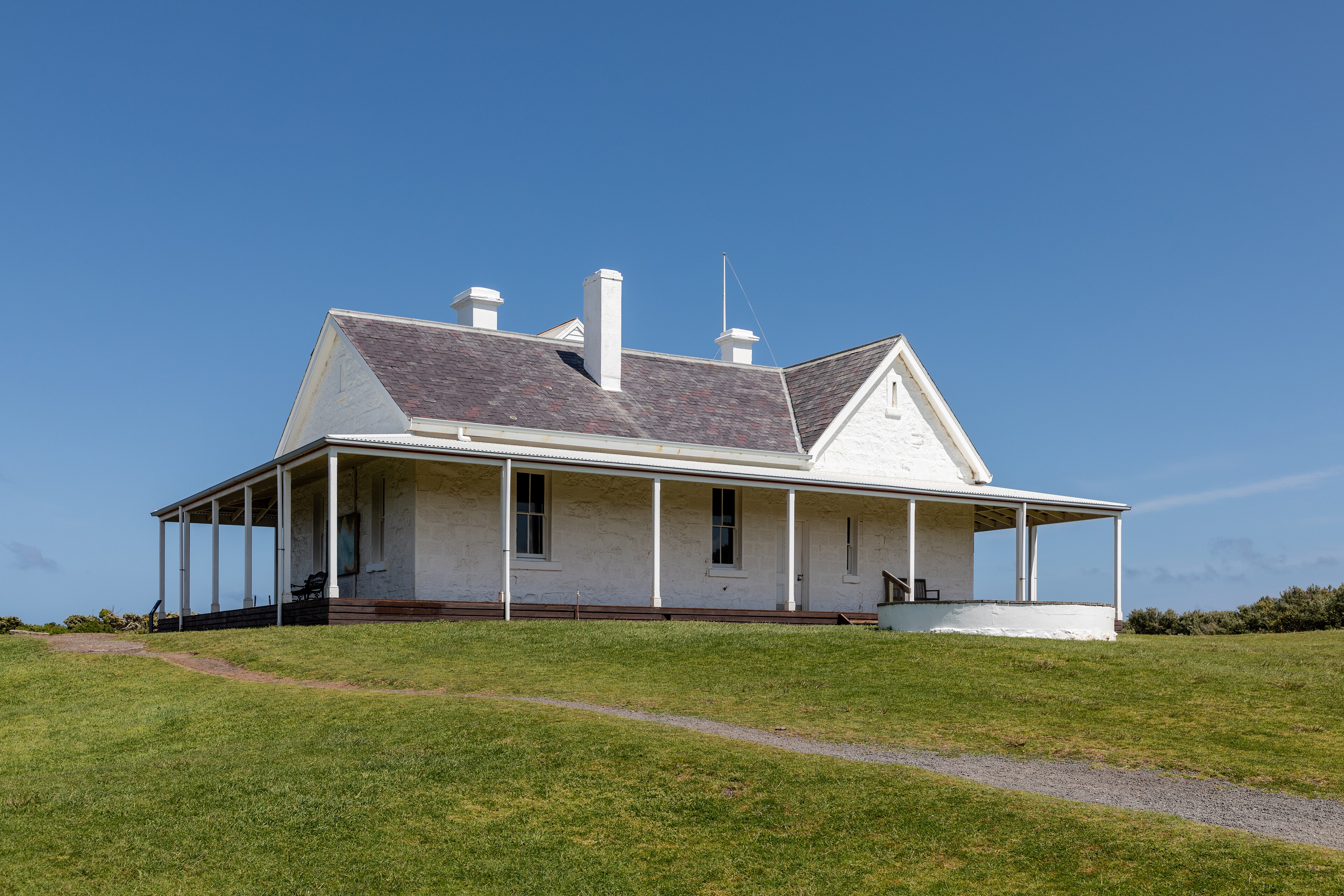
Contexto · cabo Otway, sobre el estrecho de Bass donde desapareció Valentich
Cape Otway (AU), Cape Otway Lighthouse, Telegraph Station -- 2019 -- 1179.jpg · Wikimedia Commons · CC BY-SA 4.0 · abrir original
Departamento de Transporte de Australia, expediente V116/783/1047: informe resumen de la investigación del accidente del VH-DSJ (aprobado el 27 abr 1982)
El expediente de la investigación oficial (National Archives of Australia, B1497), 316 páginas en la copia de The Black Vault. En las págs. 9-11 está el informe resumen: transcribe las comunicaciones entre el VH-DSJ y el servicio de información de vuelo de Melbourne, desde «it seems to me like landing lights» hasta «that strange aircraft is hovering on top of me again… it is hovering and it's not an aircraft» y los 17 segundos de micrófono abierto de las 19:12:28, anota que la fase de alerta se declaró a las 19:12, que la búsqueda siguió hasta el 25 de octubre sin hallar rastro del avión, y concluye «The reason for the disappearance of the aircraft has not been determined». Lo firma A. R. Woodward. Obra del Gobierno australiano con derechos de la Corona, por eso va como enlace.
National Archives of Australia, B1497 · copia de The Black Vault · ver fuente
La noche en cuestión
La tarde del 21 de octubre de 1978, Frederick Valentich, un piloto de 20 años con licencia de piloto privado, habilitación de instrumentos clase 4 para vuelo nocturno visual y unas 150 horas de vuelo según el informe oficial, despegó de Moorabbin (Melbourne) a las 18:19 en un Cessna 182L (matrícula VH-DSJ) para un vuelo de unas 125 millas náuticas con destino a la isla King, cruzando el estrecho de Bass. Notificó el cabo Otway a las 19:00 y, a las 19:06, ya sobre el agua y con la última luz del día (el informe sitúa el fin de la luz diurna en el cabo Otway a las 19:18), preguntó a la unidad de servicio de vuelo de Melbourne si había tráfico conocido por debajo de 5.000 pies, porque una gran aeronave con cuatro luces brillantes, que le parecían luces de aterrizaje, acababa de pasar «at least a thousand feet above» (al menos 300 metros por encima). Melbourne respondió que no había tráfico conocido en la zona.
“ (en la transcripción oficial, «it”
Durante los siguientes minutos, la transcripción registra una escalada: Valentich describió que el objeto se movía a gran velocidad, que pasaba y se posicionaba sobre él, que tenía una superficie metálica brillante y una luz verde; dijo que 'no es un avión' (en la transcripción oficial, «it's not an aircraft») y que el motor rateaba al ralentí y «tosía». Sus últimas palabras describen al objeto suspendido sobre él; luego la transcripción oficial registra 17 segundos de micrófono abierto y ninguna transmisión más. La prensa de la época, recortada en el propio expediente, habló de un «ruido metálico» en esa transmisión; la transcripción oficial no describe el sonido. Valentich nunca llegó a King Island.
La búsqueda intensiva aérea, marítima y terrestre se mantuvo hasta el 25 de octubre de 1978 y, según el informe oficial, no halló rastro de la aeronave («no trace of the aircraft was found»). Una mancha de aceite vista en la zona se analizó en los laboratorios de Defensa y resultó compatible con combustible de buque, no con gasolina ni lubricante de aviación. La investigación del Departamento de Transporte australiano, cuyo informe resumen firmó A. R. Woodward el 27 de abril de 1982, concluyó que «the reason for the disappearance of the aircraft has not been determined» y dejó al piloto como 'presumiblemente fallecido'. El télex inicial del expediente enumeraba entre sus líneas de investigación los factores humanos, porque la prensa indicaba una posible predisposición del piloto hacia los ovnis («it is reported that he believed in such phenomena»), y los aspectos astronómicos y atmosféricos, al ocurrir el suceso hacia la última luz. Años después, un dato físico reconfiguró el debate: el 15 de mayo de 1983 apareció en la playa de Parry's Bay, en la costa oeste de la isla Flinders, una aleta de capó de motor de un Cessna 182 de un rango de números de serie que incluía el del avión de Valentich; el perno de mando parecía haber fallado por impacto o en vuelo, y el laboratorio de la Armada australiana consideró razonable que una tormenta de 1983 hubiera arrastrado piezas hacia Flinders. Es una compatibilidad de rango, no una identificación de la pieza, pero apunta a un accidente en el agua más que a una desaparición sin restos. Con los años se propusieron varias explicaciones convencionales: la dominante es la desorientación espacial nocturna sobre un mar sin horizonte visible: un piloto inexperto pudo haber entrado en vuelo invertido y haber tomado por un 'objeto' el reflejo de sus propias luces o cuerpos celestes brillantes (por ejemplo, planetas o estrellas) bajos en el cielo, con la consiguiente pérdida de control. Otras hipótesis incluyen fallo mecánico, e incluso fraude o suicidio simulado; ninguna quedó demostrada. El caso es famoso, pero su núcleo evidencial sobre el 'objeto' es una sola fuente: el relato por radio de un piloto joven y solo; el expediente oficial consultado no contiene un registro de radar del objeto.
Por qué importa
Valentich importa por su lugar en la cultura y por lo que enseña sobre los límites de la evidencia. El avistamiento coincide con la desaparición real e irreversible del testigo, lo que le dio una carga dramática enorme y lo volvió un ícono australiano, citado durante casi medio siglo. Esa fusión entre tragedia humana y misterio aéreo es precisamente lo que vuelve difícil evaluarlo con frialdad: el desenlace luctuoso tiende a prestarle al relato del 'objeto' una solidez que el relato, por sí mismo, no tiene.
Porque, examinado en frío, la evidencia del componente anómalo es endeble: todo descansa en la transcripción de radio de un piloto joven, con unas 150 horas de vuelo y solo, sin un registro de radar del 'objeto' en el expediente oficial, sin segundo testigo y sin grabación visual. Las explicaciones convencionales son plausibles y nunca pudieron descartarse (la desorientación espacial nocturna sobre un mar sin horizonte es un mecanismo bien documentado de accidentes fatales), y el hallazgo posterior de una pieza de Cessna 182 compatible en Flinders Island refuerza la lectura de un accidente real en el agua. Es un caso testimonial célebre, con esa frontera explícita: la tragedia es indiscutible, pero el OVNI es, estrictamente, un relato no corroborado. Sirve de contraste deliberado con los casos australianos respaldados por sensor o por múltiples testigos independientes, que son los de mayor peso probatorio.
Lo que queda en papel
Evidencia documentada
- Transcripción de radio piloto–control de Melbourne (21 oct 1978): objeto con cuatro luces que 'no es un avión'
- Control confirma que no había tráfico conocido a su altura en la zona
- 17 s de micrófono abierto al final de la comunicación (la prensa habló de un ruido metálico); pérdida de contacto a las 19:12
- Búsqueda sin rastro del avión hasta el 25 oct 1978; informe oficial (27 abr 1982): causa no determinada; aleta de capó de Cessna 182 de rango compatible hallada en Flinders el 15 may 1983
Fuentes
- Disappearance of Frederick Valentich — Wikipedia — Fuente secundaria.
- Department of Transport (Australia) — investigación del accidente VH-DSJ (1978) — Investigación oficial; causa no determinada.
- Department of Transport (Australia), Air Safety Investigation Branch — expediente V116/783/1047, «Aircraft Missing (Valentich)», 1978-1992 (NAA B1497; espejo de The Black Vault con permiso del NAA) — 316 págs. Incluye el informe resumen firmado el 27 abr 1982 («the reason for the disappearance of the aircraft has not been determined»), la transcripción oficial y el análisis de restos.
- James McGaha y Joe Nickell — «The Valentich Disappearance: Another UFO Cold Case Solved», Skeptical Inquirer (nov 2013)
Casos relacionados
Actores asociados (1)