Caso 214 de 169Case 214 of 169·Estados Unidos·Evidencia aceptableEvidence: acceptable

1948·~32 km al suroeste de Montgomery, Alabama

Estados Unidos.Chiles-Whitted · dos pilotos de aerolínea y un objeto con ventanas (EE.UU., 1948)

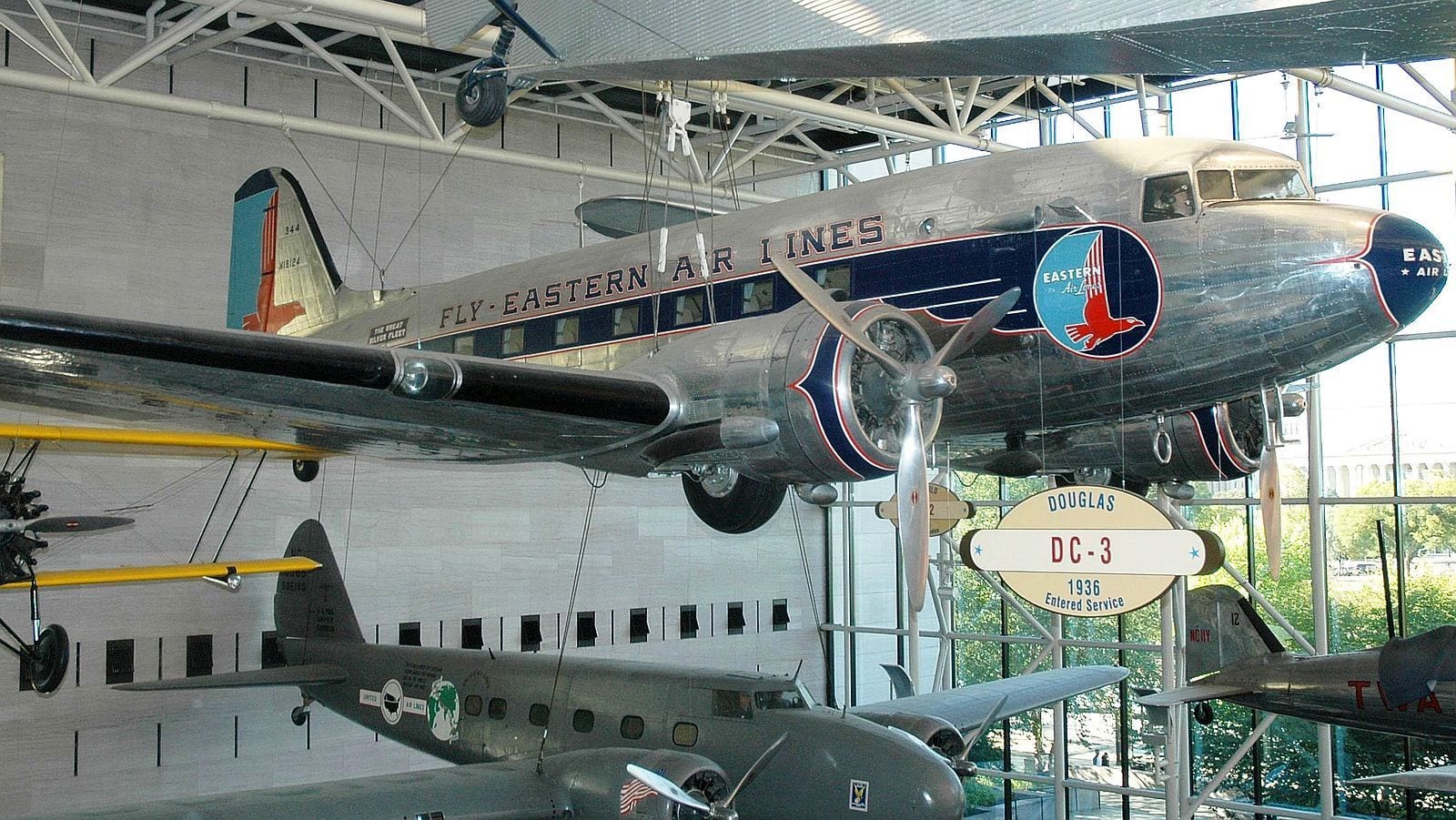
Hacia las 2:45 de la madrugada del 24 de julio de 1948, los pilotos de Eastern Air Lines Clarence S. Chiles y John B. Whitted vieron, desde la cabina de un DC-3 a 5.000 pies cerca de Montgomery (Alabama), un objeto con forma de torpedo o cigarro —unos 30 metros, sin alas, con dos filas de 'ventanas' que brillaban como magnesio ardiendo y una estela de escape— que pasó a su derecha y ascendió en 10–15 segundos. Un pasajero vio un destello. El caso fue uno de los que llevaron a los investigadores del Project Sign a redactar el 'Estimate of the Situation' que favorecía la hipótesis extraterrestre (luego recogido y destruido). La explicación final de Blue Book fue un meteoro brillante; los escépticos del meteoro señalan que el cambio de dirección y el detalle estructural no encajan. Caso fundacional de pilotos, genuinamente ambiguo.Around 2:45 a.m. on July 24, 1948, Eastern Air Lines pilots Clarence S. Chiles and John B. Whitted saw, from the cockpit of a DC-3 at 5,000 feet near Montgomery (Alabama), a torpedo- or cigar-shaped object —about 30 meters, wingless, with two rows of 'windows' glowing like burning magnesium and an exhaust trail— that passed to their right and climbed away in 10–15 seconds. A passenger saw a flash. The case was among those that led Project Sign investigators to draft the 'Estimate of the Situation' favoring the extraterrestrial hypothesis (later recalled and destroyed). Blue Book's final explanation was a bright meteor; skeptics of the meteor note that the change of direction and structural detail do not fit. A foundational pilot case, genuinely ambiguous.

Around 2:45 a.m. on July 24, 1948, Eastern Air Lines pilots Clarence S. Chiles and John B. Whitted saw, from the cockpit of a DC-3 at 5,000 feet near Montgomery (Alabama), a torpedo- or cigar-shaped object —about 30 meters, wingless, with two rows of 'windows' glowing like burning magnesium and an exhaust trail— that passed to their right and climbed away in 10–15 seconds. A passenger saw a flash. The case was among those that led Project Sign investigators to draft the 'Estimate of the Situation' favoring the extraterrestrial hypothesis (later recalled and destroyed). Blue Book's final explanation was a bright meteor; skeptics of the meteor note that the change of direction and structural detail do not fit. A foundational pilot case, genuinely ambiguous.Hacia las 2:45 de la madrugada del 24 de julio de 1948, los pilotos de Eastern Air Lines Clarence S. Chiles y John B. Whitted vieron, desde la cabina de un DC-3 a 5.000 pies cerca de Montgomery (Alabama), un objeto con forma de torpedo o cigarro —unos 30 metros, sin alas, con dos filas de 'ventanas' que brillaban como magnesio ardiendo y una estela de escape— que pasó a su derecha y ascendió en 10–15 segundos. Un pasajero vio un destello. El caso fue uno de los que llevaron a los investigadores del Project Sign a redactar el 'Estimate of the Situation' que favorecía la hipótesis extraterrestre (luego recogido y destruido). La explicación final de Blue Book fue un meteoro brillante; los escépticos del meteoro señalan que el cambio de dirección y el detalle estructural no encajan. Caso fundacional de pilotos, genuinamente ambiguo.

AñoYear

1948

TierTier

A

ProbabilidadProbability

50%

CategoríaCategory

incident

Caso civil institucional con múltiples testigos verificables (65–85%)Institutional civilian case with multiple verifiable witnesses (65–85%)

Parte 01Part 01

La noche en cuestiónThe night in question

A las 2:45 de la madrugada del 24 de julio de 1948, el vuelo 576 de Eastern Air Lines —un Douglas DC-3 que cubría la ruta de Houston a Atlanta— volaba a unos 5.000 pies a la altura de Montgomery, Alabama. El capitán Clarence S. Chiles y el primer oficial John B. Whitted, ambos pilotos experimentados (Chiles era veterano de la aviación militar), reportaron que un objeto luminoso se aproximó de frente y pasó por su derecha antes de ascender bruscamente y desaparecer en unos 10 a 15 segundos.

de las que salía un resplandor intenso comparado con

La descripción de ambos coincidió: un objeto sin alas ni empenaje, con forma de torpedo o cigarro, de unos 30 metros de largo, con dos filas de aberturas o 'ventanas' de las que salía un resplandor intenso comparado con 'magnesio ardiendo', y una estela de escape rojiza-anaranjada por la parte trasera. Uno de los pasajeros, Clarence McKelvie, alcanzó a ver un destello o franja luminosa por la ventanilla. La cercanía aparente del objeto dejó a los pilotos con la sensación de un casi-choque.

El caso tuvo peso histórico desproporcionado a su duración. Los investigadores del Project Sign de la USAF lo consideraron uno de los expedientes más sólidos del momento y figura entre los que motivaron la redacción del célebre 'Estimate of the Situation' (1948), el documento interno que se inclinaba por la hipótesis extraterrestre y que el jefe del Estado Mayor de la Fuerza Aérea, Hoyt Vandenberg, rechazó y mandó destruir (ver caso `estimate-situation-1948`). La conclusión final de Project Blue Book fue que Chiles y Whitted habían malinterpretado un meteoro brillante —el período coincide con la actividad de las Delta Acuáridas—. Los críticos de esa explicación objetan que un meteoro no cambia de dirección ni presenta las filas de ventanas y la estructura que ambos pilotos describieron de forma concordante. El expediente quedó, como tantos de la era, sin resolución consensuada: testimonio de dos observadores profesionales contra una explicación natural plausible pero incompleta.

At 2:45 a.m. on July 24, 1948, Eastern Air Lines Flight 576 —a Douglas DC-3 flying the Houston-to-Atlanta route— was at about 5,000 feet near Montgomery, Alabama. Captain Clarence S. Chiles and First Officer John B. Whitted, both experienced pilots (Chiles a military-aviation veteran), reported that a luminous object approached head-on and passed to their right before climbing sharply and disappearing in about 10 to 15 seconds.

Both men's descriptions matched: a wingless, tailless object, torpedo- or cigar-shaped, about 30 meters long, with two rows of openings or 'windows' from which came an intense glow compared to 'burning magnesium,' and a reddish-orange exhaust trail at the rear. One passenger, Clarence McKelvie, glimpsed a flash or luminous streak through the window. The object's apparent closeness left the pilots with a sense of a near-miss.

The case carried historical weight out of proportion to its duration. USAF Project Sign investigators considered it one of the strongest files of the moment, and it is among those that prompted the drafting of the famous 'Estimate of the Situation' (1948), the internal document leaning toward the extraterrestrial hypothesis that Air Force Chief of Staff Hoyt Vandenberg rejected and ordered destroyed (see case `estimate-situation-1948`). Project Blue Book's final conclusion was that Chiles and Whitted had misidentified a bright meteor —the period coincides with Delta Aquariid activity. Critics of that explanation object that a meteor neither changes direction nor presents the rows of windows and the structure both pilots concordantly described. The file remained, like so many of the era, without an agreed resolution: the testimony of two professional observers against a plausible but incomplete natural explanation.

Parte 02Part 02

Por qué este caso movió la agujaWhy this case moved the needle

Es uno de los casos fundacionales de la era moderna del fenómeno y de los más influyentes en la historia institucional estadounidense: alimentó directamente el 'Estimate of the Situation' del Project Sign, el momento en que un órgano de la USAF se inclinó por escrito hacia la hipótesis extraterrestre antes de que la jerarquía lo revirtiera. Su valor es doble. Como evidencia: dos pilotos de aerolínea —observadores entrenados y creíbles— dieron descripciones concordantes de un objeto estructurado a corta distancia, lo que tensiona la lectura de simple confusión. Como pieza de calibración: la explicación de meteoro brillante (Delta Acuáridas) es un candidato natural real para 1948, y el caso ilustra la ambigüedad típica de los expedientes pre-radar, donde el testimonio profesional choca con una causa prosaica plausible. Tier A —no S— porque no hubo instrumentación, foto ni radar que fijara el objeto: descansa en testimonio, por sólido que sea, contra una alternativa natural que la propia USAF adoptó.It is one of the foundational cases of the modern era of the phenomenon and among the most influential in U.S. institutional history: it directly fed Project Sign's 'Estimate of the Situation,' the moment a USAF body leaned in writing toward the extraterrestrial hypothesis before the hierarchy reversed it. Its value is twofold. As evidence: two airline pilots —trained, credible observers— gave concordant descriptions of a structured object at close range, which strains the simple-confusion reading. As a calibration piece: the bright-meteor explanation (Delta Aquariids) is a real natural candidate for 1948, and the case illustrates the typical ambiguity of pre-radar files, where professional testimony collides with a plausible prosaic cause. Tier A —not S— because there was no instrumentation, photo or radar to fix the object: it rests on testimony, however solid, against a natural alternative the USAF itself adopted.

Parte 03Part 03

Lo que queda en papelWhat's left on paper

Evidencia documentadaDocumented evidence

  1. Reporte concordante de dos pilotos de Eastern Air Lines (Capt. Clarence S. Chiles y F.O. John B. Whitted) el 24 de julio de 1948 cerca de Montgomery, AlabamaConcordant report by two Eastern Air Lines pilots (Capt. Clarence S. Chiles and F.O. John B. Whitted) on July 24, 1948 near Montgomery, Alabama
  2. Descripción: objeto tipo torpedo/cigarro de ~30 m, sin alas, con dos filas de 'ventanas' brillantes ('como magnesio ardiendo') y estela de escapeDescription: torpedo/cigar-shaped object ~30 m, wingless, with two rows of bright 'windows' ('like burning magnesium') and an exhaust trail
  3. Observación corroborante parcial de un pasajero (Clarence McKelvie), que vio un destelloPartial corroborating observation by a passenger (Clarence McKelvie), who saw a flash
  4. Maniobra reportada: el objeto pasó por la derecha y ascendió bruscamente en 10–15 segundosReported maneuver: the object passed to the right and climbed sharply in 10–15 seconds
  5. El caso alimentó el 'Estimate of the Situation' del Project Sign (1948), favorable a la hipótesis extraterrestre — luego rechazado y destruido por orden de Vandenberg (ver estimate-situation-1948)The case fed Project Sign's 'Estimate of the Situation' (1948), favorable to the extraterrestrial hypothesis — later rejected and destroyed on Vandenberg's order (see estimate-situation-1948)
  6. Explicación final de Project Blue Book: meteoro brillante (período de las Delta Acuáridas) — disputada por el cambio de dirección y el detalle estructural reportadosProject Blue Book's final explanation: a bright meteor (Delta Aquariid period) — disputed by the reported direction change and structural detail

FuentesSources

  1. Wikipedia — Chiles-Whitted UFO encounter Cronología, testimonios y la explicación de meteoro.Cronología, testimonios y la explicación de meteoro.
  2. The Black Vault — Project Blue Book: The Chiles-Whitted UFO Encounter (documentos) Expediente Blue Book digitalizado.Expediente Blue Book digitalizado.
  3. UFO Evidence — The Chiles-Whitted Case (Montgomery, 1948) Síntesis del caso y su rol en el Estimate of the Situation.Síntesis del caso y su rol en el Estimate of the Situation.

UbicaciónLocation

~32 km al suroeste de Montgomery, Alabama · 32.20°, -86.50°

Lo que este caso movióWhat this case moved

Cada caso del corpus declara explícitamente a qué hipótesis aporta evidencia y con qué fuerza. Estos números alimentan el índice de presión que aparece junto a cada hipótesis en probabilidades. Verlos por caso permite auditar de dónde viene cada nivel de confianza.Each corpus case explicitly declares which hypothesis it contributes to and with what strength. These numbers feed the pressure index shown next to each hypothesis on probabilities. Seeing them per case lets you audit where each confidence level comes from.

  1. +0.005

    ≥1 caso involucra entidades no humanas (categoría amplia)≥1 case involves non-human entities (broad category)

    mínimominimal

    Dos pilotos de aerolínea entrenados dieron descripciones concordantes de un objeto estructurado (filas de ventanas, forma definida, maniobra de ascenso) a corta distancia — el tipo de testimonio profesional que pesa más que un reporte casual. Minimal porque el avistamiento duró 10–15 segundos de noche, sin instrumentación ni foto, y existe una alternativa natural seria (meteoro brillante) que la propia USAF adoptó.Two trained airline pilots gave concordant descriptions of a structured object (rows of windows, definite shape, climbing maneuver) at close range — the kind of professional testimony that weighs more than a casual report. Minimal because the sighting lasted 10–15 seconds at night, with no instrumentation or photo, and a serious natural alternative exists (bright meteor) that the USAF itself adopted.

  2. +0.005

    Misidentificaciones explican la mayoría de reportesMisidentifications explain the majority of reports

    mínimominimal

    La explicación oficial de Project Blue Book —un meteoro brillante durante la actividad de las Delta Acuáridas— es un candidato prosaico real para un destello rápido nocturno en 1948, y mantiene viva la lectura de que incluso observadores expertos pueden estructurar perceptualmente un bólido. Minimal porque esa explicación no da cuenta del cambio de dirección ni del detalle de las ventanas que ambos pilotos describieron.Project Blue Book's official explanation —a bright meteor during Delta Aquariid activity— is a real prosaic candidate for a fast nighttime flash in 1948, and keeps alive the reading that even expert observers can perceptually structure a bolide. Minimal because that explanation does not account for the change of direction or the window detail both pilots described.

Pesos: mínimo +0.5, modesto +2, sustancial +5, categoría nueva +15. Documentación completa en /about Cap. 5.Weights: minimal +0.5, modest +2, substantial +5, category-breaking +15. Full documentation in /about Ch. 5.

Casos relacionadosRelated cases