2001·Chulucanas, Piura
Peru.Chulucanas · DIFAA wave
Between October and November 2001, orange and red lights were videotaped on three dates in Chulucanas (Piura, northern Peru); the recording of 13 October, over the procession of the Señor Cautivo de Ayabaca, shows them moving in an organised way. The Peruvian Air Force's Office for the Investigation of Anomalous Aerial Phenomena (OIFAA), today DIFAA, made Chulucanas its first case: the 84-page report it presented to the high command in November 2002 remains classified.
Tier B · IndicativeWhat do they mean? →
Limited evidence: a single witness, testimony gathered years later, or an account without contemporary primary documentation.
What it was
59%natural or human cause
Most likely an ordinary cause that no one has identified
See the split across the six explanations
Natural or human cause
No known cause
Read the full reasoning
The absence of a published analysis is not evidence against an ordinary cause: in its 2024 report AARO stated that 'all 174 cases have been finalized as resolved to prosaic objects including balloons, birds, UAS, satellites, and aircraft'. The same report adds that 'many other cases remain unresolved', so the figure is the rate among resolved cases, not among all cases.Context image (not a document from the case)
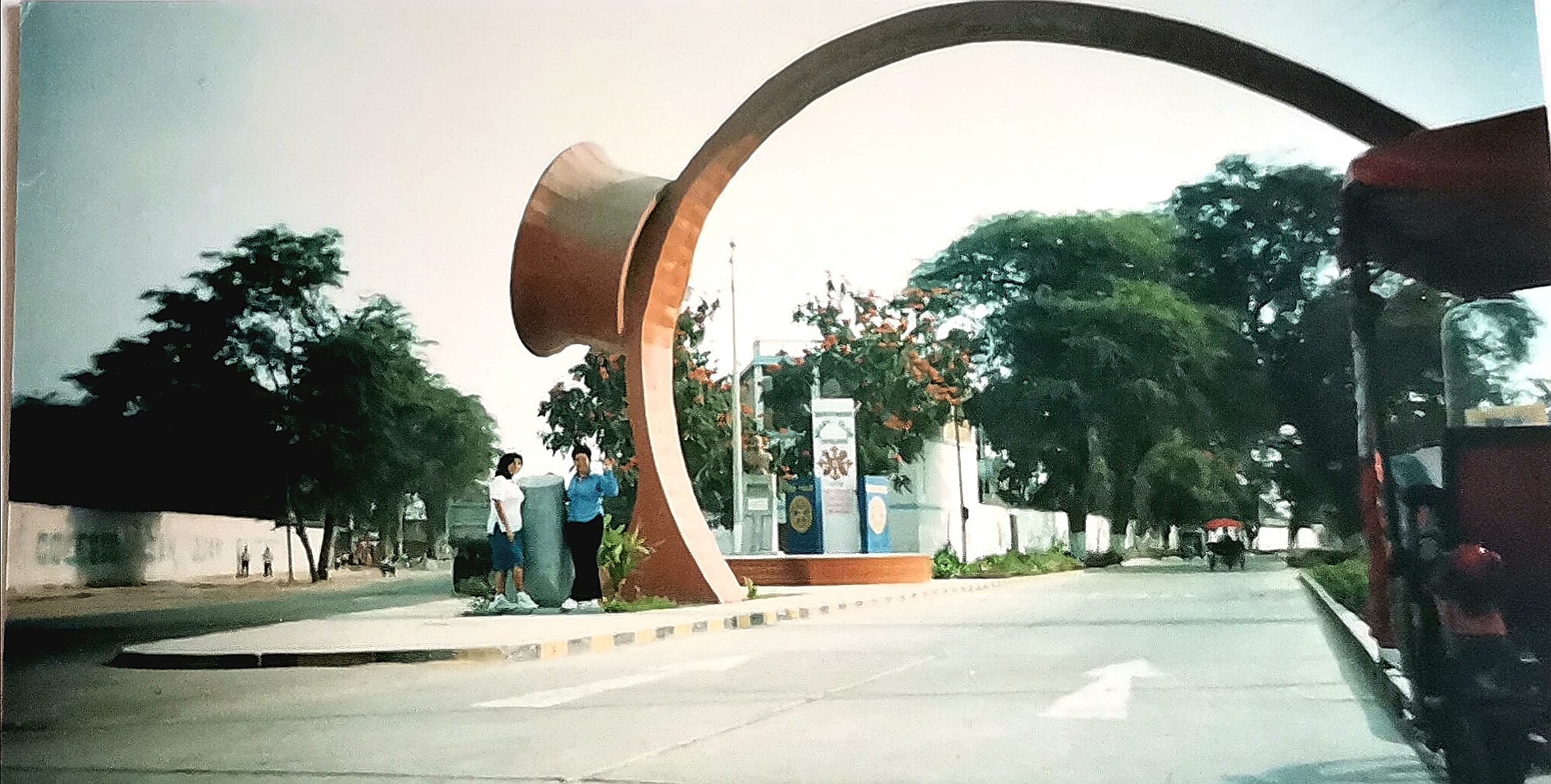
Context · Chulucanas (Piura, Peru), where the 2001 lights were filmed
Ciudad de Chulucanas, Piura PERÙ.jpg · Wikimedia Commons · CC BY-SA 4.0 · open original
The night in question
Between October and November 2001, in the Chulucanas district (Morropón province, Piura region, northern Peru), orange and red lights in the sky were videotaped on three dates: 13 and 25 October and 15 November, according to El Comercio's historical archive. The most-cited episode took place on 13 October, during the procession of the Señor Cautivo de Ayabaca, in which, according to El Comercio, more than a hundred people took part. El Comercio attributes that recording to Iván Iza Nanfaro, who filmed 'orange and red lights moving in an organised way through the air'; in an interview with Infobae, Anthony Choy, who later investigated the case, recalled that the material reached him from the man who was then the municipality's cameraman, on a tape about two and a half hours long.
The most widely circulated description is Choy's own, in his public report of 2005: 'red-orange craft 150 to 200 metres long floating in complete silence for two and a half hours', which formed geometric figures and then merged 'into a single sphere of light'. Those sizes are estimates with no distance reference. Choy adds that on 25 October objects were recorded which, according to the witnesses, set down at three points in the fields facing Cerro Pilán, and that on 15 November one of them came down over the town and caused panic. The same report mixes into the recordings accounts that are not part of them (two-metre-tall beings, disappearances on Cerro Pilán, a 'circle of fire' fifteen to twenty-five kilometres across seen by FAP pilots) which no documentary source supports. The television crews came later: Panamericana Televisión and Telemundo in early 2003 and Univision in August 2004, and what they filmed were lights in the Pilán area on those dates, not the events of 2001. On the Univision night, Choy himself first thought of an airplane, a helicopter or a shooting star, and then of a light plane flying in circles, before ruling it out.
The official investigation was conducted by the Peruvian Air Force's Office for the Investigation of Anomalous Aerial Phenomena (OIFAA), created in 2001 and relaunched in 2013 as DIFAA (Department for the Investigation of Anomalous Aerial Phenomena). Choy, brought in as an investigator in January 2002, travelled to Chulucanas in February of that year as its first field destination; in April he delivered a field report to a special committee of the office, and the final report, a classified 84-page document analysing the three recordings, was presented to the FAP high command at its headquarters on 19 November 2002. It was never published, so its conclusion is not known. Choy kept following the case on his own and by October 2005 had made 17 trips to the area. It was the first officially disclosed UFO investigation in the country, and neither the FAP nor any other source has made public an explanation of the lights, conventional or otherwise.
Why it matters
In Chulucanas, a state maintained a dedicated office (OIFAA, inside the Peruvian Air Force), with assigned personnel, that studied a single set of events and took it to a formal report before the high command. And it is foundational for the Peruvian program: Chulucanas was the office's first field destination and its first disclosed investigation.
The case nonetheless has clear limits. The central evidentiary support is nighttime footage from civilian sources and an official report that remains classified, not a published instrumental analysis with calibration of distance, size or speed; the figures of 150 to 200 metres are estimates with no reference. No published source proposes a specific conventional explanation for the 2001 lights, and that gap is not a verdict: it reflects the fact that the only formal analysis was never made public. The merging behaviour described is hard to reconcile with a single material platform, but perspective and a handheld camera at night can produce apparent splits and joins, and the account in circulation comes mainly from the investigator, who presents it alongside legends of Cerro Pilán without separating what was recorded from what was told. And the most obvious reading of orange and red lights over a night procession (paper sky lanterns or flares) has never been tested or proposed in writing by anyone, so it is neither confirmed nor ruled out. For context, Choy himself later attributed to the planet Venus the light filmed over La Molina in April 2001 that prompted the office's creation: the same investigator identified a conventional cause when he found one.
What's left on paper
Documented evidence
- Three recordings from 2001 (13 and 25 October, 15 November) analysed in the OIFAA report, according to El Comercio's historical archive
- Final 84-page report written by Anthony Choy and presented to the FAP high command on 19 November 2002; classified and never published
- Recording of 13 October during the procession of the Señor Cautivo de Ayabaca: 'orange and red lights moving in an organised way through the air' (El Comercio)
- The investigator's description (2005): lights that formed geometric figures and merged into a single sphere; sizes of 150 to 200 metres estimated with no distance reference
- Later television coverage (Panamericana and Telemundo in 2003, Univision in 2004) of lights in the Cerro Pilán area, not of the events of 2001
- No published source proposes a conventional explanation for the 2001 lights
Sources
- El Comercio (Perú), archivo histórico — Jean Pierre Andonaire Villegas, «La vez que un piloto de la FAP derribó un ovni en Arequipa…» (12 ago 2023) — The source closest to the record: Iván Iza Nanfaro's recording during the procession, with more than a hundred people, and the classified 84-page report (19 Nov 2002) on the recordings of 13 and 25 October and 15 November 2001. It dates the procession '13 April', a slip against the three dates the same article gives. It also records that Choy attributed the La Molina light to Venus.
- Choy, A. — 'Perú: El Incidente Chulucanas (Part 1)', the investigator's report (Oct 2005), on Mystery Planet — The investigator's own account, not an official document: description of the recordings, April 2002 field report, 17 trips and the 2003 television coverage. It mixes what was recorded with local legends.
- Infobae — «Anthony Choy, el ufólogo y abogado que buscaba historias y terminó fascinado por el tema OVNI» (12 feb 2023) — Interview: brought in January 2002, trip in February, and the municipal cameraman's two-and-a-half-hour tape.
- RPP Noticias — «Crónica de un encuentro ovni en Chulucanas, por Anthony Choy» — Choy's own chronicle of Univision's visit in August 2004, after the events of 2001.
- El Comercio — «Piura: ufólogo Anthony Choy asegura la presencia de ovnis en cielo norteño» — Gives the dates of 13 and 25 October and 13 November 2001; the other sources give 15 November.
- AARO — Fiscal Year 2024 Consolidated Annual Report on UAP (Nov 14, 2024)
Related cases
Associated actors (2)