Caso 152 de 171Case 152 of 171·Estados Unidos·Evidencia aceptableEvidence: acceptable

En desarrolloDeveloping

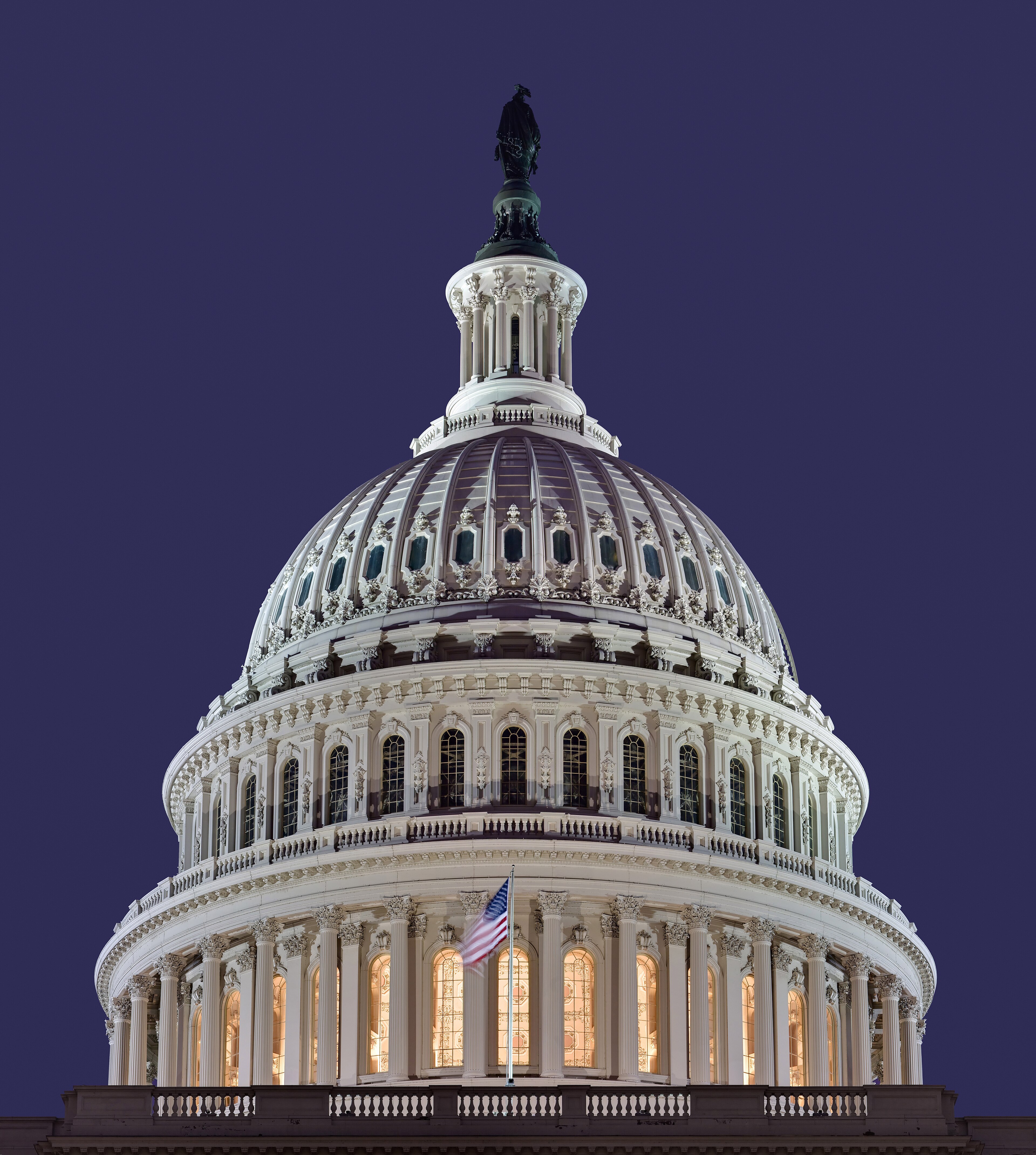
2023–2026·U.S. Senate, Washington D.C.

Estados Unidos.UAP Disclosure Act 2025 (S.Amdt.3111)

Enmienda S.Amdt.3111 al NDAA S.2296 (FY 2026), reintroducida en 2025 como continuación del UAP Disclosure Act que el líder de la mayoría Chuck Schumer (D-NY) había presentado por primera vez en 2023. Co-introducida por los senadores Mike Rounds (R-SD) y Kirsten Gillibrand (D-NY), con co-patrocinio de Marco Rubio (R-FL), Todd Young (R-IN) y Martin Heinrich (D-NM). Modelada sobre el JFK Assassination Records Collection Act de 1992: establece un Records Review Board de 9 ciudadanos designados por el Presidente con mandato de identificar, revisar y desclasificar registros UAP en custodia federal. Estado a junio 2026: dos provisiones clave fueron removidas en la negociación legislativa ('gutted'), incluyendo el lenguaje de eminent domain sobre material UAP en manos privadas. Una de las tres demandas formales del press conference del Capitolio del 9 jun 2026 (caso 138) es la aprobación de la versión completa del Act.Senate amendment S.Amdt.3111 to NDAA S.2296 (FY 2026), reintroduced in 2025 as continuation of the UAP Disclosure Act that Majority Leader Chuck Schumer (D-NY) had first introduced in 2023. Co-introduced by Senators Mike Rounds (R-SD) and Kirsten Gillibrand (D-NY), co-sponsored by Marco Rubio (R-FL), Todd Young (R-IN) and Martin Heinrich (D-NM). Modeled on the 1992 JFK Assassination Records Collection Act: establishes a 9-citizen presidentially appointed Records Review Board with mandate to identify, review and declassify UAP records in federal custody. Status as of June 2026: two key provisions were removed in legislative negotiation ('gutted'), including the eminent-domain language over UAP material in private hands. One of the three formal demands from the June 9, 2026 Capitol press conference (case 138) is passage of the full Act.

Senate amendment S.Amdt.3111 to NDAA S.2296 (FY 2026), reintroduced in 2025 as continuation of the UAP Disclosure Act that Majority Leader Chuck Schumer (D-NY) had first introduced in 2023. Co-introduced by Senators Mike Rounds (R-SD) and Kirsten Gillibrand (D-NY), co-sponsored by Marco Rubio (R-FL), Todd Young (R-IN) and Martin Heinrich (D-NM). Modeled on the 1992 JFK Assassination Records Collection Act: establishes a 9-citizen presidentially appointed Records Review Board with mandate to identify, review and declassify UAP records in federal custody. Status as of June 2026: two key provisions were removed in legislative negotiation ('gutted'), including the eminent-domain language over UAP material in private hands. One of the three formal demands from the June 9, 2026 Capitol press conference (case 138) is passage of the full Act.Enmienda S.Amdt.3111 al NDAA S.2296 (FY 2026), reintroducida en 2025 como continuación del UAP Disclosure Act que el líder de la mayoría Chuck Schumer (D-NY) había presentado por primera vez en 2023. Co-introducida por los senadores Mike Rounds (R-SD) y Kirsten Gillibrand (D-NY), con co-patrocinio de Marco Rubio (R-FL), Todd Young (R-IN) y Martin Heinrich (D-NM). Modelada sobre el JFK Assassination Records Collection Act de 1992: establece un Records Review Board de 9 ciudadanos designados por el Presidente con mandato de identificar, revisar y desclasificar registros UAP en custodia federal. Estado a junio 2026: dos provisiones clave fueron removidas en la negociación legislativa ('gutted'), incluyendo el lenguaje de eminent domain sobre material UAP en manos privadas. Una de las tres demandas formales del press conference del Capitolio del 9 jun 2026 (caso 138) es la aprobación de la versión completa del Act.

AñoYear

2023–2026

TierTier

A

ProbabilidadProbability

80%

CategoríaCategory

document

Caso civil institucional con múltiples testigos verificables (65–85%)Institutional civilian case with multiple verifiable witnesses (65–85%)

Parte 01Part 01

La noche en cuestiónThe night in question

El UAP Disclosure Act fue presentado por primera vez en julio de 2023 por el líder de la mayoría del Senado Chuck Schumer (D-NY) y el senador Mike Rounds (R-SD) como enmienda al NDAA FY 2024. El texto estaba modelado explícitamente sobre el JFK Assassination Records Collection Act de 1992 — la legislación que forzó la liberación pública de los archivos del asesinato de Kennedy a través de un Assassination Records Review Board independiente. La traducción al dominio UAP planteaba la creación de un UAP Records Review Board: nueve ciudadanos designados por el Presidente, con autoridad para identificar records UAP en cualquier agencia federal, revisarlos, y forzar desclasificación bajo presunción positiva de release. La versión 2023 incluía además una provisión de eminent domain sobre material UAP recuperado en manos privadas — lenguaje sin precedente en legislación de inteligencia que asume operacionalmente la existencia de tecnología recuperada bajo custodia corporativa.

La versión 2023 fue 'gutted' en conferencia con la Cámara: las provisiones de eminent domain y el mecanismo de presunción positiva fueron removidos antes de que el NDAA FY 2024 se aprobara. Schumer, Rounds y Gillibrand (D-NY, co-introductora desde 2024) reintrodujeron una versión enmendada como S.Amdt.3111 al NDAA S.2296 (FY 2026) en 2025, con co-patrocinio bipartidista de Rubio (R-FL), Young (R-IN) y Heinrich (D-NM). El texto reintroducido reinstaló el Records Review Board pero modificó el lenguaje de eminent domain. La S.Amdt.3111 está disponible públicamente en Congress.gov.

El Act se ha convertido en el vehículo legislativo central del ciclo de divulgación 2023–2026, y sus tres reintroducciones —y dos 'guttings'— son trazadas en tiempo real por la prensa especializada (NewsNation, The Liberation Times, Sol Foundation). Una de las tres demandas formales que David Grusch y los lawmakers presentaron en el press conference del Capitolio del 9 jun 2026 (caso 138) es la aprobación de la versión completa del Act. La operación Burlison/FFRDC (caso 150) opera en el plano de la Cámara y de la investigación contratista; el UAP Disclosure Act es el complemento del Senado y del marco de Records Review Board. Juntos articulan la arquitectura legislativa bilateral del ciclo: Cámara investiga contratistas (subpoena → MITRE/RAND/Northrop), Senado intenta legislar el canal estructural de release (UAP Records Collection + Review Board independiente).

The UAP Disclosure Act was first introduced in July 2023 by Senate Majority Leader Chuck Schumer (D-NY) and Senator Mike Rounds (R-SD) as an amendment to the NDAA FY 2024. The text was explicitly modeled on the 1992 JFK Assassination Records Collection Act — the legislation that forced public release of Kennedy assassination files through an independent Assassination Records Review Board. The translation to the UAP domain proposed the creation of a UAP Records Review Board: nine presidentially appointed citizens with authority to identify UAP records across any federal agency, review them, and force declassification under a positive release presumption. The 2023 version also included an eminent-domain provision over recovered UAP material in private hands — language without precedent in intelligence legislation that operationally assumes the existence of recovered technology under corporate custody.

The 2023 version was 'gutted' in conference with the House: the eminent-domain provisions and the positive-presumption mechanism were removed before NDAA FY 2024 was passed. Schumer, Rounds and Gillibrand (D-NY, co-introducer since 2024) reintroduced an amended version as S.Amdt.3111 to NDAA S.2296 (FY 2026) in 2025, with bipartisan co-sponsorship by Rubio (R-FL), Young (R-IN) and Heinrich (D-NM). The reintroduced text reinstated the Records Review Board but modified the eminent-domain language. S.Amdt.3111 is publicly available on Congress.gov.

The Act has become the central legislative vehicle of the 2023–2026 disclosure cycle, and its three reintroductions —and two 'guttings'— are tracked in real time by specialized press (NewsNation, The Liberation Times, Sol Foundation). One of the three formal demands David Grusch and lawmakers presented at the June 9, 2026 Capitol press conference (case 138) is passage of the full Act. The Burlison/FFRDC operation (case 150) operates on the House side and on contractor investigation; the UAP Disclosure Act is the Senate-side complement and the Records Review Board framework. Together they articulate the cycle's bilateral legislative architecture: House investigates contractors (subpoena → MITRE/RAND/Northrop), Senate attempts to legislate the structural release channel (UAP Records Collection + independent Review Board).

Parte 02Part 02

Por qué este caso movió la agujaWhy this case moved the needle

Es el documento legislativo más ambicioso del ciclo 2023–2026: traslada el modelo JFK Records Act —que sí funcionó históricamente forzando release de archivos clasificados a través de un board independiente— al dominio UAP. Su importancia para el corpus es triple. Primero, primario: es texto legislativo accesible en Congress.gov, no testimonio ni filtración; Tier A por calidad institucional (Schumer + bipartidista, NDAA vehicle); no Tier S por ser legislación pendiente, no evidencia ni divulgación efectiva. Segundo, calibratorio: la inclusión del lenguaje de eminent domain en la versión 2023 es la afirmación operativa más fuerte del Congreso sobre la existencia de material UAP recuperado bajo custodia corporativa — el corpus la lee como soporte modest a ingeniería-inversa, aunque la provisión haya sido gutted. Tercero, estructural: completa la arquitectura legislativa del ciclo. La PR previa de Burlison/FFRDC (caso 150) cubre el lado Cámara/contratista; este caso cubre el lado Senado/marco de records. Sin él, la lectura institucional del ciclo es incompleta. Su fragilidad —que la mantiene en Tier A— es operativa: el Act sigue sin pasar en su versión completa después de tres reintroducciones, y la metodología legislativa de 'introducir → gut → reintroducir' puede ser tanto presión escalonada como teatro de captura institucional.It is the most ambitious legislative document of the 2023–2026 cycle: it transplants the JFK Records Act model —which historically worked in forcing release of classified files through an independent board— to the UAP domain. Its importance for the corpus is threefold. First, primary: it is legislative text accessible on Congress.gov, not testimony or leak; Tier A for institutional quality (Schumer + bipartisan, NDAA vehicle); not Tier S since it is pending legislation, not evidence or effective disclosure. Second, calibrational: the inclusion of eminent-domain language in the 2023 version is the strongest Congress operative assertion on the existence of recovered UAP material under corporate custody — the corpus reads it as modest support for reverse-engineering, even though the provision was gutted. Third, structural: it completes the cycle's legislative architecture. The prior Burlison/FFRDC PR (case 150) covers the House/contractor side; this case covers the Senate/records-framework side. Without it, the institutional reading of the cycle is incomplete. Its fragility —which keeps it at Tier A— is operative: the Act still has not passed in full form after three reintroductions, and the legislative methodology of 'introduce → gut → reintroduce' can be either escalating pressure or institutional capture theatre.

Parte 03Part 03

Lo que queda en papelWhat's left on paper

Evidencia documentadaDocumented evidence

  1. Texto legislativo primario: S.Amdt.3111 al NDAA S.2296 (FY 2026), enmienda accesible públicamente en Congress.govPrimary legislative text: S.Amdt.3111 to NDAA S.2296 (FY 2026), amendment publicly accessible on Congress.gov
  2. Introductores 2025: Chuck Schumer (D-NY, líder de la mayoría), Mike Rounds (R-SD), Kirsten Gillibrand (D-NY) — con co-patrocinio de Marco Rubio (R-FL), Todd Young (R-IN), Martin Heinrich (D-NM); composición bipartidista estable a través de tres reintroducciones (2023, 2024, 2025)2025 introducers: Chuck Schumer (D-NY, Majority Leader), Mike Rounds (R-SD), Kirsten Gillibrand (D-NY) — co-sponsored by Marco Rubio (R-FL), Todd Young (R-IN), Martin Heinrich (D-NM); stable bipartisan composition across three reintroductions (2023, 2024, 2025)
  3. Modelo legal: JFK Assassination Records Collection Act de 1992 — precedente histórico que sí forzó liberación pública de archivos clasificados a través de un Records Review Board independienteLegal model: 1992 JFK Assassination Records Collection Act — historical precedent that did force public release of classified files via an independent Records Review Board
  4. Mecanismo central: UAP Records Review Board de 9 ciudadanos designados por el Presidente, con autoridad de identificar y forzar desclasificación de records UAP en cualquier agencia federal bajo presunción positiva de releaseCentral mechanism: UAP Records Review Board of 9 presidentially appointed citizens, with authority to identify and force declassification of UAP records across any federal agency under positive release presumption
  5. Versión 2023 incluía provisión de eminent domain sobre material UAP recuperado en manos privadas — lenguaje sin precedente en legislación de inteligencia que asume operacionalmente la existencia de tecnología recuperada bajo custodia corporativa2023 version included eminent-domain provision over recovered UAP material in private hands — language without precedent in intelligence legislation that operationally assumes the existence of recovered technology under corporate custody
  6. Historial de 'gutting': la versión 2023 fue gutted en conferencia con la Cámara antes de aprobarse el NDAA FY 2024; la versión 2025 (S.Amdt.3111) modificó el lenguaje de eminent domain bajo presión similar'Gutting' history: the 2023 version was gutted in conference with the House before NDAA FY 2024 was passed; the 2025 version (S.Amdt.3111) modified the eminent-domain language under similar pressure
  7. Articulación con el ciclo: el UAP Disclosure Act es el lado Senado del marco legislativo bilateral, complementario a la operación Burlison/FFRDC del lado Cámara (caso 150). UAP Records Collection establecida por la FY 2024 NDAA + NARA Record Group 615 son los anclajes legales conectadosArticulation with the cycle: the UAP Disclosure Act is the Senate side of the bilateral legislative framework, complementary to the Burlison/FFRDC House-side operation (case 150). UAP Records Collection established by the FY 2024 NDAA + NARA Record Group 615 are the connected legal anchors
  8. Cita explícita: una de las tres demandas formales del press conference del Capitolio del 9 jun 2026 (caso 138) es la aprobación del Act en su versión completaExplicit citation: one of the three formal demands from the June 9, 2026 Capitol press conference (case 138) is passage of the Act in its full form

FuentesSources

  1. Congress.gov — S.Amdt.3111 to S.2296 (Unidentified Anomalous Phenomena Disclosure Act of 2025) Texto legislativo primario, fuente oficial.Texto legislativo primario, fuente oficial.
  2. Senator Schumer — Press release: 'Schumer, Rounds Introduce New Legislation to Declassify Government Records Related to Unidentified Anomalous Phenomena' (jul 2023) Comunicado del líder de la mayoría con texto introductorio original.Comunicado del líder de la mayoría con texto introductorio original.
  3. NewsNation — 'UAP disclosure bill revised; two key provisions stripped' Cobertura del 'gutting' — provisiones removidas en conferencia.Cobertura del 'gutting' — provisiones removidas en conferencia.
  4. The Liberation Times — UAP Disclosure Act coverage Análisis continuo del trayecto legislativo del Act.Análisis continuo del trayecto legislativo del Act.
  5. Sol Foundation — Policy analysis on UAP Disclosure Act Análisis de política pública sobre el marco de Records Review Board.Análisis de política pública sobre el marco de Records Review Board.
  6. JFK Assassination Records Collection Act of 1992 (P.L. 102-526) — NARA Modelo legal sobre el que se construye el UAP Disclosure Act.Modelo legal sobre el que se construye el UAP Disclosure Act.

UbicaciónLocation

U.S. Senate, Washington D.C. · 38.89°, -77.01°

Lo que este caso movióWhat this case moved

Cada caso del corpus declara explícitamente a qué hipótesis aporta evidencia y con qué fuerza. Estos números alimentan el índice de presión que aparece junto a cada hipótesis en probabilidades. Verlos por caso permite auditar de dónde viene cada nivel de confianza.Each corpus case explicitly declares which hypothesis it contributes to and with what strength. These numbers feed the pressure index shown next to each hypothesis on probabilities. Seeing them per case lets you audit where each confidence level comes from.

  1. +0.02

    ≥1 caso es programa militar clasificado≥1 case is a classified military program

    modestomodest

    Que el líder de la mayoría del Senado más cinco senadores bipartidista inviertan tres ciclos legislativos consecutivos (2023, 2024, 2025) en construir un marco de Records Review Board específicamente para records UAP, modelado sobre el JFK Records Act que sí forzó release histórica, es afirmación operativa institucional fuerte de que existen records que el aparato federal está reteniendo. Modest porque el lenguaje del Act asume la existencia del archivo pero no presenta su contenido — la presión legislativa documentada es el hallazgo, no la prueba del programa mismo.That the Senate Majority Leader plus five bipartisan senators invest three consecutive legislative cycles (2023, 2024, 2025) in building a Records Review Board framework specifically for UAP records, modeled on the JFK Records Act that did force historical release, is strong institutional operative assertion that records exist the federal apparatus is withholding. Modest because the Act's language assumes the archive's existence but does not present its contents — the documented legislative pressure is the finding, not proof of the program itself.

  2. +0.02

    Existe programa de ingeniería inversa de tecnología no humana (claim específica)A reverse-engineering program on non-human technology exists (specific claim)

    modestomodest

    La provisión de eminent domain sobre material UAP recuperado en manos privadas incluida en la versión 2023 del Act es la afirmación operativa congresional más explícita sobre la hipótesis de ingeniería inversa por contratista: el lenguaje legal solo tiene sentido si los redactores asumen que tal material existe bajo custodia corporativa. Que la provisión haya sido removida en conferencia ('gutted') no la invalida como evidencia — al contrario, la fricción legislativa documentada es señal de oposición institucional activa. Modest porque es lenguaje legal asumido, no documento del programa.The eminent-domain provision over recovered UAP material in private hands included in the 2023 version of the Act is Congress's most explicit operative assertion on the contractor reverse-engineering hypothesis: the legal language only makes sense if drafters assume such material exists under corporate custody. That the provision was removed in conference ('gutted') does not invalidate it as evidence — on the contrary, the documented legislative friction is a signal of active institutional opposition. Modest because it is assumed legal language, not a document of the program.

  3. 0.005

    Misidentificaciones explican la mayoría de reportesMisidentifications explain the majority of reports

    mínimominimal

    Seis senadores en ejercicio que sostienen un esfuerzo legislativo de tres años contra fricción de conferencia documentada tensionan la lectura escéptica fuerte de que 'todo es ruido cultural sin contenido institucional sustantivo'. Minimal porque la presión legislativa sostenida también es compatible con la lectura escéptica (los senadores responden a presión de constituyentes y prensa, no necesariamente a evidencia clasificada propia) — pero no es nula.Six sitting senators sustaining a three-year legislative effort against documented conference friction tension the strong skeptical reading that 'it's all cultural noise without substantive institutional content'. Minimal because sustained legislative pressure is also compatible with the skeptical reading (senators respond to constituent and press pressure, not necessarily to their own classified evidence) — but it is not null.

Pesos: mínimo +0.5, modesto +2, sustancial +5, categoría nueva +15. Documentación completa en /about Cap. 5.Weights: minimal +0.5, modest +2, substantial +5, category-breaking +15. Full documentation in /about Ch. 5.

Casos relacionadosRelated cases